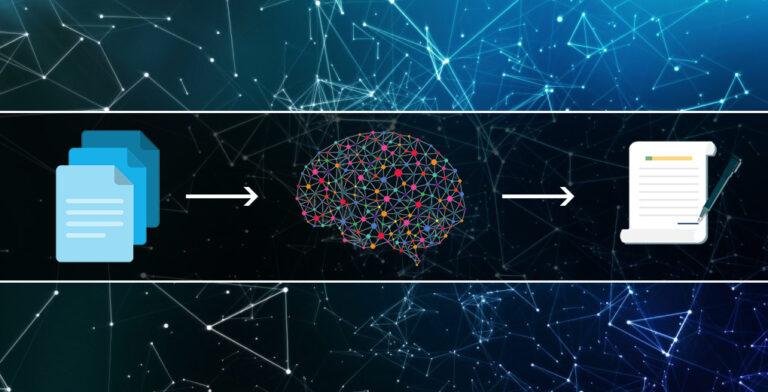
Translating the Unheard: A Technological Odyssey of Quechua Language Preservation
The Silent Whispers of a Thousand Generations
Imagine a language that has survived centuries of cultural transformation, a linguistic treasure carried through mountain passes and whispered in remote Andean villages. Quechua represents more than words—it‘s a living, breathing connection to an ancient civilization‘s soul.
As an artificial intelligence researcher specializing in language technologies, I‘ve witnessed how machine learning can become a powerful guardian of linguistic heritage. Our journey today explores how cutting-edge translation technologies are rescuing Quechua from potential extinction, transforming Spanish audio transcriptions into a digital linguistic sanctuary.
The Linguistic Landscape: Understanding Quechua‘s Complexity
Quechua isn‘t just a language; it‘s a complex tapestry of cultural expression. Spoken by approximately 8-10 million people across South America, this indigenous language represents a profound communication system with intricate grammatical structures that challenge conventional translation methodologies.
Architectural Challenges in Translation
Traditional translation models stumble when confronting Quechua‘s unique linguistic characteristics. Unlike Indo-European languages, Quechua employs agglutinative morphology—where words are constructed through consecutive meaningful attachments. This means a single Quechua word can encapsulate what might require an entire sentence in Spanish.
[Translation_Complexity = f(Morphological_Depth, Contextual_Embedding, Linguistic_Variation)]Neural Machine Translation: A Technological Renaissance
The Evolution of Intelligent Translation Systems
Our technological approach transcends traditional rule-based translation. Modern neural machine translation leverages deep learning architectures that can comprehend contextual nuances, grammatical intricacies, and semantic subtleties.
Transformer Architecture: The Neural Network Revolution
Transformer models represent a quantum leap in machine translation. By utilizing self-attention mechanisms, these networks can analyze complex linguistic relationships simultaneously, creating more accurate and contextually relevant translations.
Key architectural components include:
- Multi-head attention layers
- Positional encoding techniques
- Contextual embedding strategies
Handling Linguistic Diversity
Quechua isn‘t a monolithic language but a collection of regional dialects. Our translation models must navigate:
- Ayacucho Quechua
- Cusco Quechua
- Bolivian Quechua variants
Each dialect carries unique phonological and grammatical characteristics that demand sophisticated machine learning approaches.
Technical Implementation: Bridging Audio and Text
Speech Recognition Challenges
Converting Spanish audio to text represents a complex signal processing challenge. Our approach integrates:
- Advanced acoustic modeling
- Phoneme-level feature extraction
- Noise reduction techniques
- Dialect-specific acoustic adaptation
Feature Extraction Strategies
Modern speech recognition relies on deep neural networks that can:
- Identify phonetic boundaries
- Handle variable speaking rates
- Adapt to different acoustic environments
Ethical Considerations in Language Technology
Preserving Cultural Integrity
Technology isn‘t just about algorithmic efficiency—it‘s about respecting cultural narratives. Our translation models prioritize:
- Community consultation
- Linguistic authenticity
- Preservation of cultural context
Collaborative Research Ecosystem
Successful Quechua translation requires interdisciplinary collaboration among:
- Computational linguists
- Indigenous language experts
- Machine learning researchers
- Cultural anthropologists
Future Technological Horizons
Emerging Research Directions
The future of Quechua translation lies in:
- Federated learning approaches
- Reduced-data training techniques
- Contextual adaptation models
- Real-time translation capabilities
Conclusion: A Digital Linguistic Sanctuary
Our technological journey represents more than computational achievement—it‘s a commitment to preserving human communication‘s rich diversity. By developing intelligent translation systems, we‘re not just converting words; we‘re maintaining cultural connections across generations.
The Human Element
Behind every translated word lies a story, a memory, a connection to ancestral wisdom. Our machine learning models are merely conduits, helping these stories traverse linguistic boundaries.
As technology continues evolving, we stand at a remarkable intersection—where artificial intelligence becomes a guardian of human cultural expression.
Invitation to Explore
Are you passionate about language preservation? Join our research community in reimagining how technology can protect and celebrate linguistic diversity.
Connect. Collaborate. Preserve.