Unlocking the Power of AI: IBM‘s Code Assistant Bridges the COBOL-Java Divide
In the ever-evolving world of technology, the programming landscape is undergoing a profound transformation, and IBM is at the forefront of this revolution. As an AI and machine learning expert, I‘m excited to share how IBM‘s groundbreaking Code Assistant for IBM Z is poised to redefine the way organizations approach the modernization of their COBOL-based applications.
The Enduring Legacy and Challenges of COBOL
COBOL, the venerable programming language that dates back to the late 1950s, has been a workhorse in the world of enterprise computing. With over 800 billion lines of COBOL code in use globally, it remains a critical component of many organizations‘ software infrastructure. However, the complexities and challenges associated with COBOL have long been a thorn in the side of IT professionals.
Developed in the era of mainframe computing, COBOL was designed to be a human-readable language that could efficiently manage the large-scale data processing needs of businesses. Its focus on readability, data manipulation, and file handling made it an ideal choice for applications in banking, insurance, and government sectors. As a result, COBOL became deeply embedded in the core systems of many organizations, powering mission-critical operations that underpin the global economy.
Despite its enduring legacy, the transition from COBOL to more modern programming languages, such as Java, has proven to be a daunting task. The scarcity of COBOL experts, coupled with the intricacies of the migration process, has made it challenging for businesses to keep pace with the rapidly evolving technological landscape.
One prime example of the challenges faced in COBOL modernization is the case of the Commonwealth Bank of Australia. In 2012, the bank embarked on a $700 million, 5-year project to replace its core COBOL platform. The sheer complexity of the legacy system, the need to preserve critical business functionality, and the limited pool of COBOL developers all contributed to the significant investment and lengthy timeline required to complete the migration.
The AI-Driven Transformation: Code Assistant for IBM Z
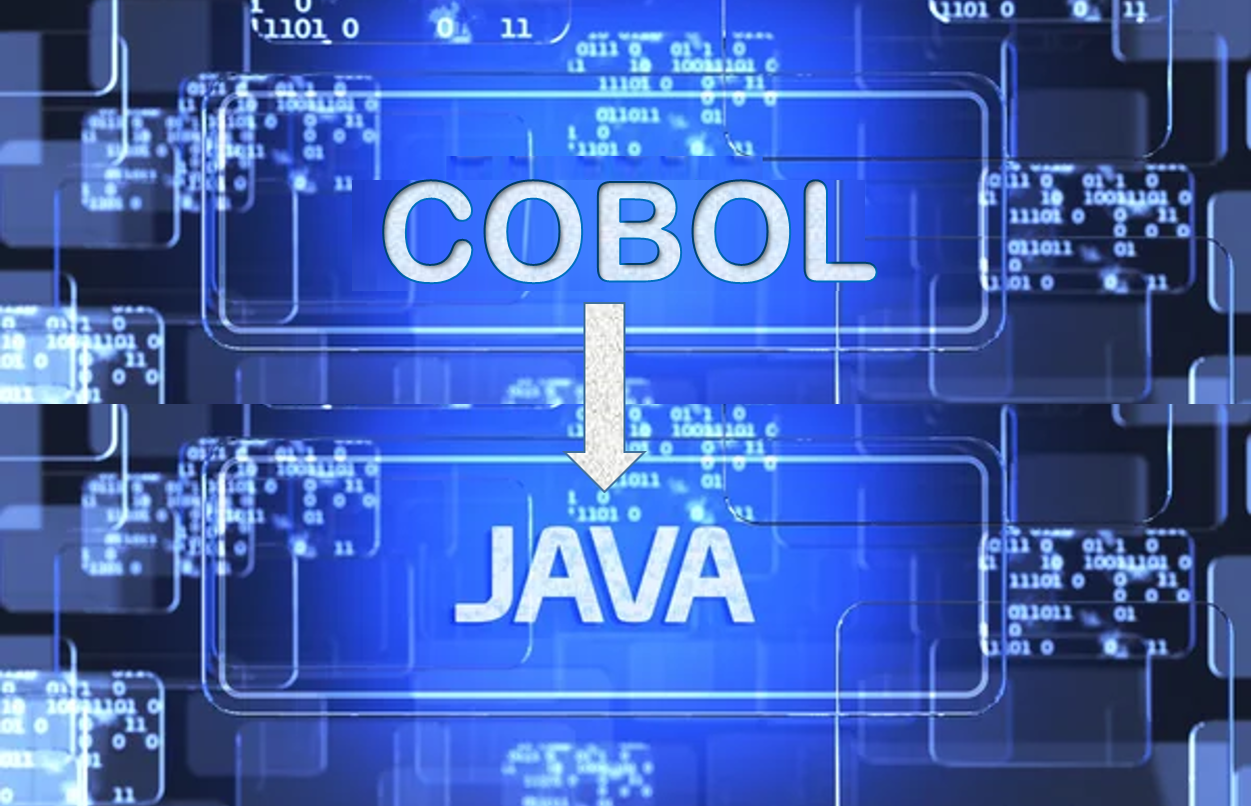
IBM‘s response to this challenge is the Code Assistant for IBM Z, an AI-powered solution that promises to revolutionize the way organizations approach COBOL modernization. This cutting-edge platform harnesses the power of artificial intelligence and machine learning to seamlessly translate COBOL code into Java, bridging the gap between the two programming languages.
The Code Assistant for IBM Z is built upon the CodeNet AI model, which boasts an impressive understanding of over 80 programming languages. This expansive linguistic knowledge allows the platform to accurately decipher, process, and transform COBOL code into its Java counterpart, preserving the functionality and performance of the original applications.
One of the key features of the Code Assistant is its ability to handle the nuances and idiosyncrasies of COBOL syntax and semantics. COBOL, with its unique data structures, file handling, and procedural programming paradigm, can be challenging to translate into more modern object-oriented languages like Java. The Code Assistant‘s AI-driven approach, however, enables it to navigate these complexities, ensuring a seamless and accurate translation process.
Moreover, the Code Assistant is designed to be more than just a translation tool. It incorporates advanced refactoring capabilities, allowing organizations to restructure their COBOL applications while preserving the core business logic and performance characteristics. This empowers businesses to modernize their software infrastructure without the need to completely rewrite or rebuild their mission-critical systems.
Broader Impact and Future Implications
IBM‘s vision with the Code Assistant extends beyond the immediate COBOL-Java translation. The Code Assistant product family, which includes Watsonx Code Assistant for Red Hat Ansible Lightspeed, showcases the company‘s commitment to a comprehensive AI-powered future for programming and software development.
By equipping the Code Assistant with the ability to comprehend a vast array of coding languages, IBM is positioning itself to rival offerings like GitHub Copilot and Amazon CodeWhisperer, which have gained significant traction in the code-generating AI tool market. The Code Assistant‘s potential to shape the future of hybrid computing environments, bridging the gap between legacy COBOL systems and modern Java-based applications, further underscores its strategic importance.
One of the key advantages of the Code Assistant‘s broad language understanding is its ability to future-proof organizations‘ software investments. As programming languages and technologies continue to evolve, the Code Assistant can adapt, enabling businesses to seamlessly transition their COBOL-based applications to newer platforms and frameworks without the need for extensive rewriting or redevelopment.
Moreover, the Code Assistant‘s impact extends beyond the immediate realm of COBOL modernization. By harnessing the power of AI, the platform has the potential to revolutionize the way developers approach programming tasks across a wide range of languages and domains. From automating code generation and refactoring to providing intelligent code assistance and insights, the Code Assistant represents a significant step forward in the evolution of AI-powered programming tools.
Practical Implications and Opportunities
The adoption of IBM‘s Code Assistant for IBM Z promises to deliver tangible benefits for organizations seeking to modernize their COBOL-based systems. By streamlining the refactoring process and reducing the costs associated with migration, the platform enables businesses to unlock new opportunities while preserving their existing investments in COBOL infrastructure.
One of the key practical implications of the Code Assistant is its ability to address the scarcity of COBOL experts. As the pool of experienced COBOL developers continues to dwindle, organizations have struggled to maintain and evolve their legacy systems. The Code Assistant, however, empowers existing COBOL developers to seamlessly transition their skills to Java, ensuring the continued maintenance and enhancement of critical business applications.
Moreover, the Code Assistant‘s AI-driven approach to translation and refactoring can significantly accelerate the modernization process, enabling organizations to adapt to changing market demands and technological advancements more quickly. This agility can be a crucial competitive advantage, allowing businesses to stay ahead of the curve and capitalize on new opportunities.
For COBOL developers, the Code Assistant presents a chance to upskill and adapt to the evolving programming landscape. By leveraging the AI-powered translation capabilities, these professionals can seamlessly transition their expertise from COBOL to Java, ensuring their continued relevance and value within the organization. This not only benefits the individual developers but also helps organizations retain critical institutional knowledge and maintain the continuity of their software systems.
The Future of AI-Powered Programming
IBM‘s Code Assistant for IBM Z is not just a tool for COBOL modernization; it is a harbinger of a future where AI-powered programming and code automation will redefine the way developers work. As these AI-driven tools continue to evolve, they have the potential to streamline tasks, enhance productivity, and enable more efficient software development across a wide range of programming languages and platforms.
The long-term impact of AI-powered code translation and generation on the programming landscape is profound. From increased accessibility and improved code quality to the evolution of developer roles and skillsets, the future of programming is poised to be transformed by the integration of artificial intelligence and machine learning.
One of the key advantages of AI-powered programming tools like the Code Assistant is their ability to bridge the gap between legacy systems and modern software architectures. As organizations grapple with the challenge of maintaining and evolving their COBOL-based applications, the Code Assistant provides a seamless path to modernization, allowing them to leverage the benefits of newer technologies while preserving their existing investments.
Moreover, the Code Assistant‘s broad language understanding and code generation capabilities have the potential to democratize software development, making it more accessible to a wider range of professionals. By automating repetitive coding tasks and providing intelligent assistance, these AI-powered tools can empower non-technical users to contribute to software projects, fostering greater collaboration and innovation across the organization.
As IBM forges ahead with the Code Assistant for IBM Z, the programming world stands on the brink of a transformative era. This AI-powered solution is not just a tool for COBOL modernization; it is a testament to IBM‘s commitment to shaping the future of software development, where AI is the bedrock of innovation and efficiency.
In conclusion, IBM‘s Code Assistant for IBM Z represents a significant milestone in the evolution of programming and software modernization. By harnessing the power of artificial intelligence, this groundbreaking platform promises to bridge the COBOL-Java divide, unlocking new opportunities for organizations and transforming the way developers approach their craft. As we look to the future, the integration of AI-powered tools like the Code Assistant will undoubtedly play a pivotal role in shaping the next chapter of the programming landscape.