What is Databricks? A Complete Guide Through the Data Revolution
The Data Transformation Journey: A Personal Perspective
Imagine standing at the crossroads of technological innovation, where raw data transforms from fragmented information into powerful insights. This is where Databricks emerges – not just as a platform, but as a revolutionary approach to understanding and leveraging data in our increasingly complex digital world.
The Genesis of Modern Data Challenges
When I first entered the world of data engineering two decades ago, managing large-scale datasets felt like navigating an intricate maze without a map. Traditional databases were rigid, siloed environments that required immense computational resources and specialized knowledge. Businesses struggled to extract meaningful insights, trapped in a labyrinth of disconnected information systems.
Databricks represents a watershed moment in this technological evolution. It‘s more than a software platform; it‘s a comprehensive ecosystem that reimagines how organizations interact with their most valuable asset – data.
Architectural Brilliance: Understanding the Databricks Ecosystem
At its core, Databricks is built upon Apache Spark, a distributed computing framework that fundamentally transformed big data processing. But calling it merely a Spark-based platform would be like describing a Ferrari as just a mode of transportation.
The platform‘s true genius lies in its unified approach. By seamlessly integrating data engineering, science, and business intelligence, Databricks dismantles the traditional barriers that have long fragmented technological workflows.
The Lakehouse Paradigm: Bridging Worlds
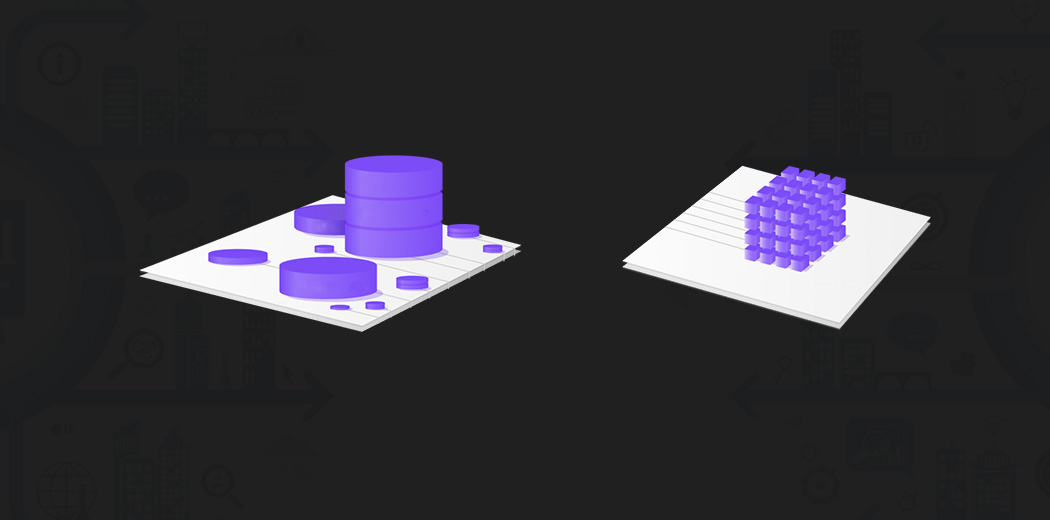
Traditional data architectures forced professionals to choose between data lakes (flexible but chaotic) and data warehouses (structured but restrictive). Databricks introduces the "Lakehouse" concept – a revolutionary model that combines the best attributes of both.
Imagine a data environment where raw, unstructured information coexists harmoniously with meticulously organized datasets. Where data scientists, engineers, and analysts collaborate in real-time, breaking down silos that have historically impeded innovation.
Cloud-Native Design: A Technological Symphony
Databricks‘ cloud-native architecture isn‘t just a technical feature; it‘s a strategic advantage. By providing seamless integration with major cloud platforms like AWS, Azure, and Google Cloud, the platform offers unprecedented flexibility.
This isn‘t about simple cloud hosting. It‘s about creating a dynamic, responsive ecosystem that adapts to an organization‘s unique computational needs. Scaling becomes organic, resources are optimized in real-time, and geographical limitations dissolve.
Machine Learning: From Complexity to Accessibility
Machine learning has long been perceived as an arcane discipline, accessible only to highly specialized professionals. Databricks democratizes this technological frontier.
Through integrated tools like MLflow, the platform transforms machine learning from a complex, time-consuming process into an intuitive, collaborative experience. Data scientists can now focus on innovation rather than getting lost in infrastructural complexities.
Real-World Transformation Stories
Consider a healthcare startup using Databricks to predict patient outcomes. By processing millions of medical records across distributed computational resources, they reduced diagnostic times from weeks to hours. This isn‘t just technological efficiency; it‘s about saving lives.
Or examine how e-commerce giants leverage the platform to create hyper-personalized recommendation systems, analyzing consumer behavior across global markets in milliseconds.
Performance: Beyond Traditional Metrics
Databricks doesn‘t just improve performance; it redefines computational efficiency. Traditional performance metrics become inadequate when describing its capabilities.
The platform‘s adaptive query optimization, powered by the Catalyst engine, dynamically restructures computational tasks. It‘s like having an intelligent co-pilot continuously fine-tuning your data processing strategy.
Security and Governance: A Holistic Approach
In an era of increasing data privacy regulations, Databricks offers more than technical compliance. It provides a comprehensive governance framework that treats data as a strategic asset.
Granular access controls, comprehensive audit trails, and integrated security protocols transform data management from a regulatory burden into a strategic advantage.
The Human Element: Collaborative Innovation
Perhaps Databricks‘ most profound contribution is cultural. By creating a unified workspace where data professionals collaborate seamlessly, it breaks down organizational silos.
Imagine a world where data engineers, scientists, and business analysts speak a common language. Where insights are generated through collective intelligence rather than isolated efforts.
Future Horizons: Predictive Insights
As artificial intelligence and machine learning continue evolving, platforms like Databricks will become increasingly crucial. They‘re not just processing tools but strategic innovation engines.
The next decade will see data transformation moving from a technological function to a core business strategy. Databricks is positioning itself at the forefront of this revolution.
Practical Considerations for Adoption
Adopting Databricks isn‘t just a technological decision; it‘s a strategic transformation. Organizations must approach it holistically, considering:
- Cultural readiness for collaborative data practices
- Existing technological infrastructure
- Long-term innovation goals
- Skill development strategies
Conclusion: Beyond Technology
Databricks represents more than a software platform. It‘s a philosophical approach to data – viewing information not as a static resource but as a dynamic, living ecosystem.
For professionals willing to embrace this perspective, the possibilities are boundless. We‘re not just managing data; we‘re unlocking human potential through technological innovation.
Your Next Steps
- Explore Databricks Community Edition
- Engage with online learning resources
- Experiment with sample datasets
- Connect with the global data professional community
The data revolution isn‘t coming. It‘s here. And Databricks is your passport to this exciting new world.