Whoop vs Fitbit: An In-Depth Comparison of Two Leading Fitness Trackers
In the world of wearable fitness technology, two brands stand out from the pack: Whoop and Fitbit. Both offer advanced sensors, in-depth health insights, and sleek designs. But when it comes to choosing between Whoop vs Fitbit, which one is the better investment for your wellness journey?
In this comprehensive review, we‘ll pit the latest models head-to-head, diving into the nuances of their features, companion apps, design, pricing, and more. By the end, you‘ll have a crystal clear picture of which fitness tracker best aligns with your unique needs and preferences. Let‘s get into it!
Whoop 4.0 vs Fitbit Charge 5: Latest and Greatest
First, let‘s meet the star players of this comparison: the Whoop 4.0 and Fitbit Charge 5, both released in late 2021.
Whoop 4.0
The Whoop 4.0 is the latest iteration of Whoop‘s screenless, discreet fitness tracker. Some key specs:
- Advanced sensors: Monitors heart rate, HRV, skin temperature, blood oxygen, respiratory rate
- Lightweight design: Weighs just 18g with a removable battery pack for continuous wear
- 5 LED lights: Indicate battery level and syncing
- 5-day battery life
- 10m water resistance
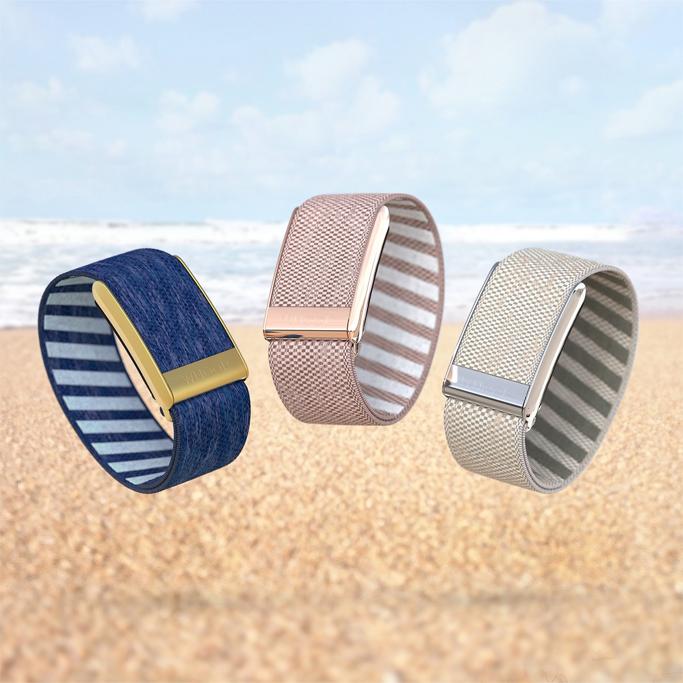
- Variety of stylish band options
Beyond the hardware, Whoop‘s magic really lies in its advanced analytics and recovery metrics. The Whoop platform assigns you a daily strain score based on cardiovascular exertion, a recovery score indicating your readiness to perform, and an in-depth sleep analysis with a sleep performance score.
By focusing on recovery as much as activity and strain, Whoop helps athletes and fitness enthusiasts optimize their training and avoid overexertion. The Whoop app provides personalized recommendations for strain targets and when to prioritize recovery.
Fitbit Charge 5
Meanwhile, the Fitbit Charge 5 is one of Fitbit‘s most advanced fitness trackers yet, packed with a range of smart features:
- Advanced sensors: Monitors heart rate, HRV, skin temperature, blood oxygen, ECG, EDA stress response
- Bright AMOLED display
- 7-day battery life
- Built-in GPS
- 50m water resistance
- Interchangeable bands
The Fitbit Charge 5 has a more traditional smartwatch design with a display that shows your real-time metrics, the time, and smartphone notifications. It also supports Fitbit Pay for contactless payments on the go.
Fitbit‘s companion app is known for its user-friendly dashboard of all your key health and fitness stats like steps, heart rate, Active Zone Minutes, sleep score, and Stress Management Score. You can log workouts, nutrition, weight, menstrual cycles, and more to see a complete picture of your wellness.
The app also includes guided workouts, mindfulness sessions, and the ability to compete in challenges with friends and the Fitbit community for added motivation.
Comfort and Wearability
Both Whoop and Fitbit design their trackers for continuous wear, but they take somewhat different approaches.
Whoop has placed a big emphasis on making its strap as lightweight and unobtrusive as possible. The screenless tracker is inserted into the band itself, sitting flush against your skin. You can easily pop it out to charge without removing the strap.
Whoop‘s ProKnit bands are made of a soft, stretchy, and breathable nylon material that‘s very comfortable for 24/7 wear, even during intense exercise and sleep. They‘re also waterproof, sweatproof, and come in a variety of stylish colors and patterns. However, some may find the lack of a screen to be a downside.
Fitbit‘s trackers have a more traditional watch-like design with the tracker as a separate component from the band. The default Fitbit Charge 5 has a silicone Infinity Band that uses an aluminum buckle and plastic/resin case. It‘s swimproof and sweatproof as well.
In comparison to Whoop‘s fabric bands, silicone tends to be less breathable and may trap more sweat. But Fitbit does offer other breathable nylon, leather, and canvas band options. Having a screen is also convenient for seeing your stats at a glance without opening the app.
Ultimately, both trackers are relatively comfortable, so it comes down to your personal preferences on materials and display vs no display.
Battery Life and Charging
Battery life is essential for a tracker you plan to wear 24/7. Both Whoop and Fitbit are impressive on this front, but Fitbit has a slight edge.
The Whoop 4.0 can last up to 5 days on a single charge thanks to its efficient sensors and lack of a battery-draining screen. Whoop‘s charging puck has a convenient slide-on design that lets you power up without taking the strap off your wrist, ensuring you never miss out on tracking.
Meanwhile, the Fitbit Charge 5 boasts an even longer 7-day battery life. However, you do have to remove the tracker from your wrist to charge it in the included USB charging cable. Fully charging a dead battery takes about 1-2 hours.
Pricing and Perceived Value
Whoop and Fitbit have drastically different pricing models. Fitbit sticks to a traditional one-time purchase model for the device itself, while Whoop has shifted to a subscription-only approach.
The Fitbit Charge 5 currently retails for $179.95 USD, which gets you the tracker, bands, and charger. To unlock more advanced tracking features and health insights, you can get Fitbit Premium for $9.99 per month or $80 per year. Premium is optional but considerably enhances the Fitbit experience.
On the flip side, you can‘t directly buy the Whoop 4.0 tracker – it‘s only available with a Whoop membership. The pricing options are:
- Monthly membership: $30/month
- 12-month membership: $300 upfront ($25/month)
- 18-month membership: $324 upfront ($18/month)
So while the Whoop 4.0 hardware itself is "free" with membership, you‘re looking at a larger investment over time compared to Fitbit‘s one-and-done model. The 12 or 18-month commitments provide the best value if you‘re confident you‘ll stick with Whoop for the long haul.
It‘s hard to declare a clear winner on price and value, as it really depends on your budget and how long you plan to use the tracker. Those who prefer lower upfront costs and more flexibility may favor Fitbit, while those wholly bought into the Whoop ecosystem and ok with ongoing membership costs will find Whoop worth it.
Target Audience
While both Whoop and Fitbit cater to a broad audience interested in health and fitness, there are some key differences in their target demographics.
Whoop originated as a device for elite and professional athletes to optimize their training and performance. To this day, it remains popular among hardcore fitness enthusiasts, CrossFitters, runners, and other serious athletes. The granular, in-depth data and focus on recovery particularly appeal to this crowd.
However, Whoop has been making an effort to expand its potential user base, marketing the 4.0 as "designed for every body." The tracker can certainly be useful for more casual fitness fans and health-conscious individuals too.
Fitbit has always targeted a broader, more mainstream audience with its approachable branding and product lineup ranging from basic trackers to full-fledged smartwatches. The Charge 5, as a more advanced tracker, is geared towards intermediate-level active types.
But rather than honing in on athletic performance, Fitbit places a larger emphasis on general wellness, weight management, heart health, stress reduction, and sleep quality. Its motivational challenges and badges make it beginner-friendly too.
In short, Whoop primarily targets serious athletes but is shifting to welcome more everyday users, while Fitbit has broad appeal and is more beginner-friendly.
Company Ethos and Manufacturing
Founded in 2012, Whoop is a younger company than Fitbit, but it‘s quickly made a name for itself as an innovator in the wearable recovery tracking space. Will Ahmed started Whoop as a Harvard student to help people "unlock their inner potential" and maximize performance.
Whoop‘s team includes physiologists, engineers, and data scientists who are continuously working to advance their biometric tracking technology. The company takes pride in offering best-in-class hardware and analytics, as well as contributing to research on sleep, recovery, and athletic performance.
Whoop straps are designed in the US and made in China. The company has faced some criticism over its subscription model, but it argues this allows them to provide regular hardware and app updates at no additional cost.
Fitbit, founded in 2007, is one of the pioneers of the modern wearable fitness tracker. Its mission is to "help everyone in the world get healthier" by making health and fitness accessible and achievable. Since being acquired by Google, Fitbit has doubled down on using its vast data to provide actionable insights to users.
Fitbit trackers are primarily made in China, but the company does have a global footprint with offices in the US, Europe, Asia, and Africa. Fitbit has made public commitments to ethical manufacturing, sustainable packaging, and reducing its carbon footprint. However, like many electronics brands, it has faced occasional concerns over data privacy and security.
Ratings and Reviews
When it comes to user satisfaction, both Whoop and Fitbit score high marks across major reviews sites and online retail platforms. Here‘s a quick overview:
Whoop 4.0:
- 4.1/5 stars on Google Play Store
- 4.7/5 stars on App Store
- 4.5/5 stars on TrustPilot
- Named "Best Fitness Tracker for Serious Trainers" by CNET
Common praise for Whoop includes its in-depth recovery and sleep tracking, comfortable strap, distraction-free design, and motivating community. Some users wish for a screen and more smartwatch features.
Fitbit Charge 5:
- 4/5 stars on PCMag
- 4.2/5 stars on Google Play Store
- 4.5/5 stars on BestBuy.com
- 8.4/10 rating and Editor‘s Choice award on CNET
Reviewers appreciate the Charge 5‘s bright display, variety of health sensors, stress management tools, built-in GPS, and Fitbit‘s user-friendly app. A few users have reported sync issues and skin irritation with the stock band.
Overall, both trackers are well-regarded by users and critics alike. Whoop seems to have a slight edge among serious athletes, while Fitbit remains a hit with the general public.
Shipping, Returns, Warranty
Here‘s a quick breakdown of Whoop and Fitbit‘s policies:
Whoop:
- Ships to US, Canada, UK, EU, Australia, New Zealand
- Free standard shipping on all memberships
- 30-day return window for a full refund
- 1-year limited warranty against manufacturer defects
Fitbit Charge 5:
- Ships worldwide to 100+ countries
- Free shipping on orders over $50
- 45-day money-back guarantee
- 1-year limited warranty, extendable with Fitbit Premium
Aside from Fitbit‘s slightly longer return window and lower free shipping threshold, the two brands are quite comparable in this department. It‘s good to see both offering at least a 1-year warranty.
The Bottom Line: Which to Choose?
So when it comes to Whoop vs Fitbit, which tracker reigns supreme? The truth is, there‘s no one-size-fits-all answer.
Whoop is the clear choice for serious athletes and fitness enthusiasts who want the most in-depth recovery and training analysis. If you geek out over HRV data and optimizing your strain-recovery balance, Whoop‘s advanced tracking and distraction-free design are tough to beat. The community aspect is also a huge draw for competitive types.
On the flip side, Fitbit is the better all-around choice for the everyday user who wants a comprehensive health and wellness tracker. It has wider appeal with its user-friendly app, smart features like mobile payments and notifications, stress tracking, and beginner-friendly gamification. The Charge 5‘s bright display and lower upfront cost are also attractive.
Ultimately, the decision comes down to your individual health goals, training style, and budget. Are you a hardcore athlete willing to invest in next-level recovery and performance tracking? Go with Whoop. Are you someone who wants an accessible, affordable tracker with a broad range of lifestyle features? Fitbit is your friend.
Whichever you choose, you‘ll be gaining a powerful tool to take your health into your own hands. We hope this in-depth comparison helped you find your ideal fit. Happy tracking!