Yeti Cooler Review: Is This Premium Brand Worth the Price?
Yeti has earned a reputation as the gold standard in premium coolers and drinkware. Originally founded in 2006 by two brothers, Roy and Ryan Seiders, who were frustrated with the poor performance of cheap coolers, Yeti has grown into a $5 billion brand by focusing relentlessly on product quality and durability.
As an avid camper, fisher, and tailgater myself, I‘ve owned and tested out a wide range of coolers over the years. I finally took the plunge on a Yeti a couple years ago, and I‘ve been thoroughly impressed. But are Yeti coolers really worth their steep price tags? In this in-depth review, I‘ll share my hands-on experience and dive into everything you should know before investing in a Yeti of your own.
Yeti Cooler Lineup
First, let‘s break down Yeti‘s different cooler options. They offer two main product lines:
Tundra Hard Coolers
Yeti‘s hard-sided Tundra coolers are their flagship product. Rugged and nearly indestructible, they feature rotomolded polyethylene construction, extra-thick walls with PermaFrost insulation, and a freezer-quality gasket to lock in the cold. Tundras come in a range of sizes, from the portable Roadie 24 up to the cavernous 350, which can accommodate 82.4 gallons (259 cans of beer).
Standout Tundra models:
- Roadie 24 ($200): Yeti‘s smallest hard cooler. Holds 18 cans or 24 lbs of ice. Ideal for quick road trips.
- Tundra 45 ($300): Versatile mid-sized cooler. Holds 28 cans or 34 lbs of ice. Great for a day at the beach or an overnight camping trip.
- Tundra Haul ($400): Yeti‘s first cooler on wheels. Holds 45 cans or 55 lbs of ice. The sturdy welded aluminum arm makes transport easy.
Hopper Soft Coolers
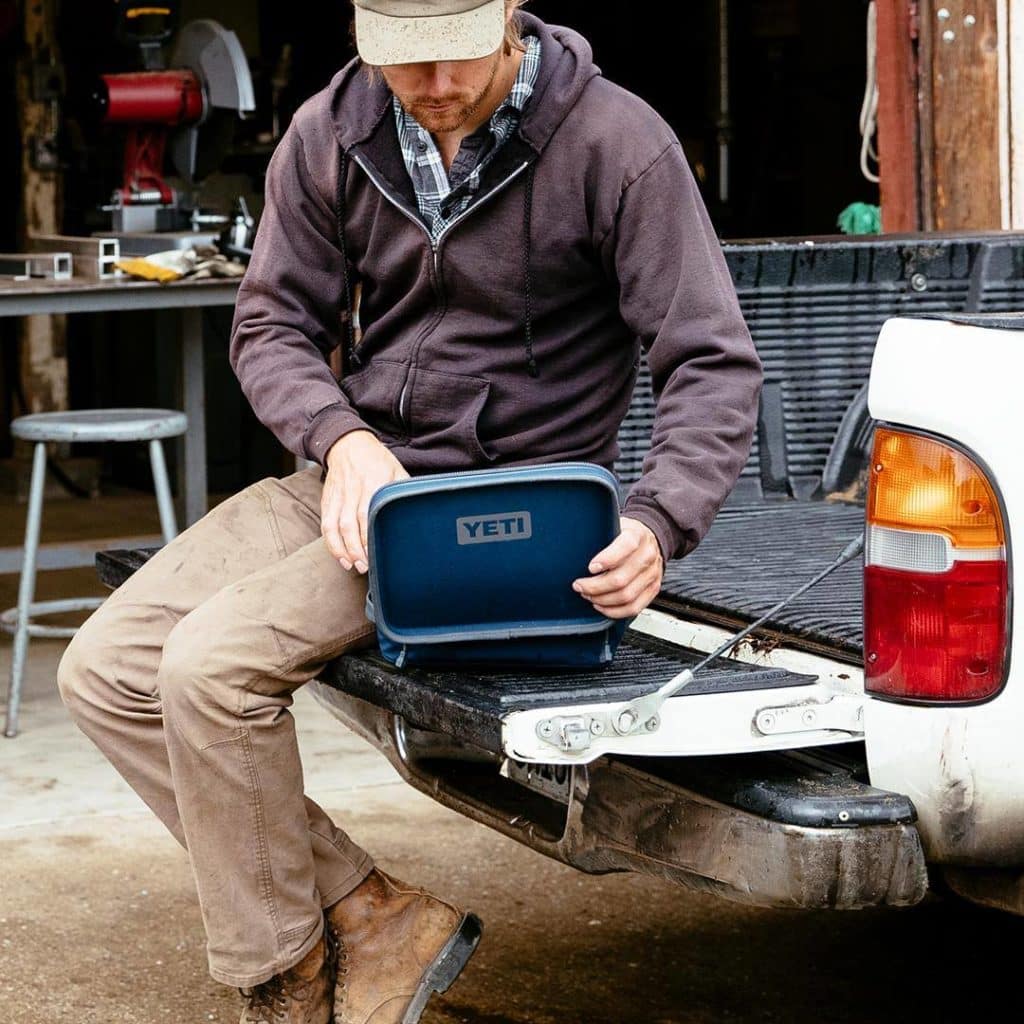
For those who value portability, Yeti‘s soft-sided Hopper coolers provide much of the same incredible cold-holding performance in a more lightweight package. Hoppers are made of high-density fabric that resists punctures, abrasions, mildew, and UV rays. The ultra-strong zippers and leak-proof liner ensure no cold escapes. Soft-sided sizes range from the diminutive Hopper Flip 8 to the Hopper M30.
Top Hopper models:
- Hopper Flip 12 ($250): This compact personal soft cooler holds 13 cans or 16 lbs of ice. It‘s perfect for solo adventures where weight and packability are key.
- Hopper M30 ($350): The largest soft cooler offered. Holds 26 cans or 28 lbs of ice. The extra-wide opening provides easy access.
What Makes Yeti Coolers Special
Now that you have an overview of the lineup, let‘s talk about what sets Yeti apart from the bargain brands you‘ll find at your local sporting goods store. The difference comes down to quality and performance. Here are the key features that make Yetis so exceptional:
Rotomolded Construction
One of the first things you‘ll notice about a Tundra cooler is how incredibly rugged it is. The seamless rotomolded design makes them virtually bulletproof. No matter how much of a beating they take, they won‘t crack or break. Mine has survived being dropped, kicked, even hit by a car—and it still looks and works like new.
Thick Insulation
Those extra-thick walls aren‘t just for show. Yeti‘s proprietary PermaFrost insulation provides best-in-class ice retention. During my own real-world Yeti ice test, I filled my Tundra 45 with a 10 lb bag of ice on a hot 85°F day. Incredibly, there was still ice left after 7 full days! With cheaper coolers, you‘d be lucky to get 2-3 days in those conditions.
Durable Components
The thoughtful design and ultra-durable hardware are another area where Yeti shines. The rubber latches are built like tank treads and keep the lid securely closed. The Anchorpoint tie-down slots are molded in for added strength. The Lipgrip handles feel indestructible and make carrying a fully loaded cooler more comfortable. Even small details like the non-slip Bearfoot feet and leakproof Vortex drain plug are engineered to perfection.
Customizable
Yeti gives you the option to personalize your cooler with colored logos, monograms, and custom text for a small extra charge. You can even swap out the cooler‘s rope handles with different colors to match your personal style. It‘s a nice touch that adds to the premium feel.
Customer Feedback
Of course, you don‘t just have to take my word for it. Yeti coolers have amassed a huge base of devoted fans. Here‘s a sampling of what other reviewers have to say:
"I‘ve owned many coolers in my day, but none compare to Yeti. The ice retention is insane and the build quality is second to none. You definitely get what you pay for." – Cory S.
"This thing is a beast! I‘ve put it through hell on hunting and fishing trips and it still looks brand new. Worth every penny." – Mike T.
"We take our Tundra on all our family camping adventures. It‘s so nice not having to worry about constantly running out for more ice. Keeps food and drinks cold for days." – Sarah W.
Yeti coolers also consistently get top marks from professional gear testers. Outside Magazine called the Tundra "the best all-purpose cooler you can buy." Field & Stream gave it an Editor‘s Choice Award, praising its "standard-setting durability and ice retention."
Potential Drawbacks
As much as there is to love about Yeti coolers, there are a few potential downsides to consider:
Price
There‘s no getting around it—Yeti coolers are expensive. With prices ranging from $200 to $1300, they cost substantially more than many basic cooler models. However, their exceptional durability and performance can make them a worthwhile investment for serious outdoor enthusiasts. If you only need a cooler for the occasional picnic or tailgate, a lower-cost option will likely suffice. But if you frequently camp, fish, hunt or boat and need a reliable high-performance cooler that will last for years, a Yeti can be worth the splurge.
Weight
The burly rotomolded construction that makes Yeti coolers so indestructible also makes them extremely heavy, especially when fully loaded with ice, food and drinks. My Tundra 45 weighs around 23 lbs empty. Throw in 28 lbs of ice (the maximum recommended) plus beverages and you‘re looking at 50+ lbs. For some, the sheer heft may be a drawback, particularly if you need to carry the cooler long distances. But the tradeoff is a cooler that will keep ice frozen for days in scorching temps.
Size
Yeti coolers have thick walls and are very well-insulated, which means they have slightly less interior capacity compared to some other coolers with similar exterior dimensions. The smallest Yeti Roadie 24, for example, offers 16 quarts of storage, while the popular mid-sized Tundra Haul provides 46 quarts. If packability is a priority, you may be able to fit more in a thinner-walled cooler. But again, you‘ll be sacrificing ice retention.
Warranty & Customer Service
One of the benefits of investing in a premium brand like Yeti is their solid warranty and customer support. All Yeti hard coolers are backed by an impressive 5-year warranty against defects in material or workmanship. Soft coolers include a 3-year warranty.
Yeti is known for standing behind their products. If your cooler fails due to a manufacturing defect, they‘ll repair or replace it free of charge. Just don‘t expect them to cover negligence or normal wear and tear.
While researching this review, I reached out to Yeti‘s customer service team a couple times via email with questions. The reps were consistently friendly, knowledgeable and quick to respond. Many other reviewers praise Yeti‘s helpful support as well.
Where to Buy
You can shop the full selection of Yeti coolers and accessories directly on Yeti.com. Coolers purchased on their website come with free ground shipping in the lower 48 states. Expedited shipping is available for an extra fee.
For faster fulfillment, Yeti coolers are also available from major retailers like REI, Dick‘s Sporting Goods, Cabela‘s, and Bass Pro Shops, both online and in-store. Check stock levels before running out as popular models in local stores tend to go quickly.
Alternatives to Consider
Yeti may be the most recognized name in high-end coolers, but they‘re not the only game in town. If you‘re looking for a less expensive option, here are a few Yeti alternatives worth considering:
- RTIC: Often considered the best Yeti alternative. Rotomolded coolers with similar ice retention and durability for about 30% less.
- Orca: Another rotomolded direct-to-consumer brand. Slightly cheaper than Yeti across the board.
- Pelican: Known for rugged storage cases, Pelican also makes excellent hard coolers with thicker insulation than Yeti at lower price points.
- Engel: A pioneer of the rotomolded cooler, Engels are built for the outdoors. More affordable than Yeti but still very high-quality.
- Igloo IMX: Igloo‘s most durable rotomolded coolers. Good budget-friendly Yeti alternative.
The Bottom Line
So, is a Yeti cooler worth it? In my experience, the answer is a resounding yes. While the high price of admission may give some buyers pause, Yeti coolers are hands-down the best out there in terms of ice retention, durability and overall performance. They‘re thoughtfully designed, rock-solid, and most importantly, they keep your food and drinks ice cold even in sweltering conditions.
If you regularly camp, tailgate, fish, or spend long days outdoors, you would be hard-pressed to find a better cooler investment. The first time you‘re still pulling ice-cold beers out of your Yeti on day 4 of a camping trip, you‘ll know it was money well spent.
As Yeti‘s legion of devoted customers can attest, once you experience the quality and performance of a Yeti cooler firsthand, you‘ll never look back. When it comes to keeping your food and drinks cold, accept no substitutes—Yeti is the real deal.