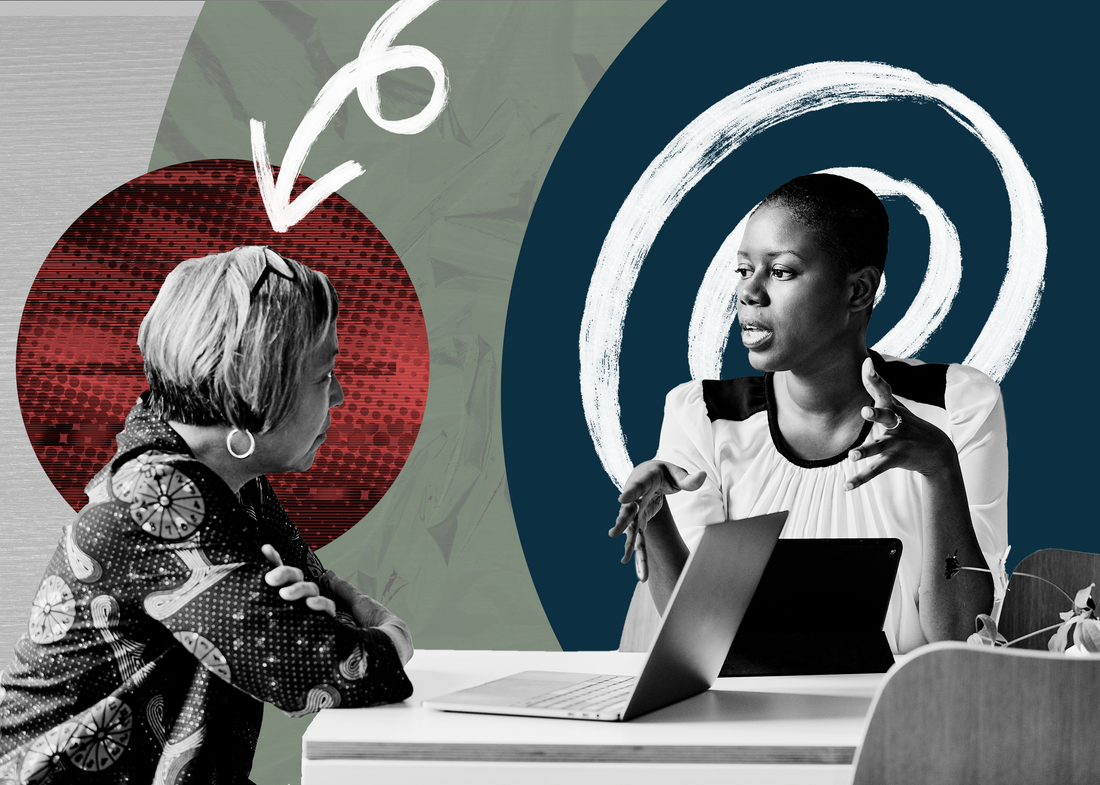
C-Suite Secrets: Productivity Tips From Top Executive Assistants
In the never-ending quest for greater productivity, we often look to the C-suite for wisdom. After all, senior executives seem to have superhuman abilities when it comes to achieving goals, making high-stakes decisions, and simply getting things done.
But behind every successful leader, there‘s often an unsung hero making it all possible: their executive assistant. These productivity pros keep an executive‘s entire professional life running smoothly, from managing their time to keeping key projects on track.
I interviewed three veteran executive assistants who support high-profile corporate leaders and startup founders to uncover their secrets for optimizing even the most demanding exec‘s performance and effectiveness. While we can‘t all have a dedicated assistant, their proven strategies can help anyone struggling to keep up with the relentless demands and distractions of modern work.
Manage Your Calendar Like Your Most Valuable Asset
Where most people see their calendar as a schedule of obligations, executive assistants treat it as the ultimate productivity tool. "An exec‘s calendar is the foundation for everything they do—I see it as my job to be the gatekeeper and ensure it reflects their top priorities," says Kristina Rogers, EA to the CEO of a climate tech company.
In fact, a study by Atlassian found that the average knowledge worker wastes 31 hours per month in unproductive meetings. To combat this, Rogers recommends:
- Stacking meetings to avoid wasted time between them
- Limiting meetings to 2 hours per block and 6 hours per day, ideally between 10am-4pm
- Time-blocking focus sessions, personal appointments and open space directly on the calendar and protecting that time
This approach of calendaring both professional obligations and personal priorities is used by many top leaders. Elon Musk is known for scheduling his days in 5-minute increments, including blocks for thinking time, meals and family activities.
Research backs up the benefits of this technique—one study found that knowledge workers who scheduled regular focus time had a 26% greater ability to concentrate and experienced less stress overall.
Treat Every Meeting Like a Potential Time-Waster
We‘ve all been stuck in meetings that felt like a waste of time. Executive assistants are ruthless about cutting these low-value gatherings from an exec‘s calendar. "Before accepting any meeting, I assess its purpose, what role the exec is being asked to play, and if attending is the best use of their time," explains Ashley Langlais, EA to the CEO and COO of a VC firm.
Some of her criteria include:
- Having a clear agenda and desired outcome
- Ensuring the exec is adding unique value or making a key decision
- Batching similar topics together to minimize context-switching
When an exec is overbooked, Langlais does a quarterly meeting audit to identify any recurring meetings that could be eliminated, reduced in frequency or delegated. "On average, we reclaim 10-15 hours per week with this process," she notes.
Billionaires like Warren Buffett and Mark Cuban are notorious for avoiding meetings that don‘t have a clear purpose. Buffett once said, "I‘ve learned to say no to almost everything…you gotta keep control of your time and you can‘t unless you say no."
Streamline Everything With a Productivity Tech Stack
Executive assistants are power users of productivity apps that go way beyond basic calendar and email programs. Dahlia Welsh, a tech executive assistant, relies on an ecosystem of digital tools:
- Asana for project management
- Slack for communication
- Zapier for automating repetitive tasks like data entry
- Notion for documentation and knowledge management
"The key is choosing tools that integrate with each other, so you‘re not constantly switching between them," advises Welsh. For example, she uses Zapier to automatically update an Asana project when a Slack message contains certain keywords.
Beyond just apps, Welsh emphasizes the importance of documenting key processes in a centralized location, especially when managing complex projects like product launches or board meetings. "I create playbooks that break down each process step-by-step, so it‘s easy to reference and iterate on them over time," she says. This type of knowledge management is estimated to save organizations $2000+ per year per employee.
Align Your Schedule to Your Energy Levels
One common productivity mistake is assuming our brains function at a constant rate throughout the day. In reality, research shows that most people experience natural peaks and valleys of energy levels and concentration at predictable times.
"I have my execs track their productivity patterns for a week and identify the periods where they feel most focused and creative. Then we prioritize scheduling their most challenging work during those windows," explains Rogers. For example, an exec might block 9am-11am every day for focused writing time if that‘s when they‘re cognitively sharpest.
On the flip side, lower-energy tasks like responding to emails or attending status update meetings get slotted into afternoon slump periods. A study by the American Psychological Association found that matching tasks to natural energy rhythms can increase productivity by 20%.
This approach is used by many celebrated creatives and leaders. Pulitzer Prize-winning author Toni Morrison wrote her novels in the early morning before her day job as a book editor. Apple CEO Tim Cook famously starts his day at 4am to clear out emails before exercising and heading to the office.
Prioritize Recovery to Sustain High Performance
When your calendar is packed with back-to-back meetings and urgent deadlines, it‘s easy to let basic needs like sleep, exercise and social connection fall off the priority list. But executive assistants know that neglecting self-care is a recipe for burnout and diminished productivity over time.
Langlais helps her execs block non-negotiable time for wellness activities like morning workouts, walking 1:1 meetings and device-free family dinners. "Modeling healthy boundaries gives their teams implicit permission to do the same," she notes.
Research confirms that investing in mental and physical health yields significant returns:
- Employees who exercise regularly are 15% more productive than non-exercisers
- Vacation time boosts productivity by 80% upon return to work
- Companies that promote mindfulness practices see a 120% increase in productivity
Welsh sees it as part of her job to remind execs of these benefits. "I once had a CEO who was resistant to taking time off, but I kept emphasizing that he would come back with more creative ideas and stamina to lead the company through a challenging period. After his vacation, he thanked me and said it was the best decision he made that quarter."
The EA‘s Advantage
Executive assistants have a rare glimpse into the work habits of some of the most successful people on the planet. The productivity strategies they‘ve honed—from ruthless calendar management to building a supportive tech stack to prioritizing self-care—can help anyone perform at a higher level, regardless of title or role.
But perhaps the biggest takeaway is the power of treating productivity as a practice. "Being organized and effective isn‘t an innate trait—it‘s a skill you can develop over time by experimenting with different tools and techniques," encourages Rogers.
Adds Langlais: "It‘s easy to compare yourself to these superhuman executives and feel like you‘ll never measure up. But the reality is, no one is productive 100% of the time. What sets high achievers apart is having a system to maximize their energy and attention, and the flexibility to adapt when priorities shift."
The next time you‘re feeling overwhelmed by your workload and endless to-do list, try incorporating one of these EA-approved tips, whether it‘s an app to streamline team communication or a calendar block for a mind-clearing walk. As Welsh puts it: "Small changes, done consistently, are what drive massive results. You don‘t need an assistant—just a commitment to keep optimizing how you work."
What‘s your top productivity hack? Share it in the comments and let‘s learn from each other.