The Entrepreneur‘s Guide to Economy Pricing: Benefits, Risks, and Strategies for Success
As a business owner, one of the most important decisions you face is how to price your products or services. The pricing strategy you choose will have a major impact on your brand positioning, your target customers, your sales volumes, and ultimately, your bottom line. One common pricing approach that every entrepreneur should understand is economy pricing.
In this comprehensive guide, we‘ll take an in-depth look at what economy pricing entails, how it works, and the key benefits and drawbacks you need to consider. We‘ll also discuss how to determine if economy pricing is right for your business and provide expert tips for executing this strategy effectively.
What is Economy Pricing?
Economy pricing is a pricing strategy where products or services are offered at a low price point due to minimal production and marketing costs. The goal is to attract a large volume of highly price-sensitive customers by being the cheapest option on the market.
Typical characteristics of economy priced products include:
- Very basic, no-frills design with limited features or customization options
- Cheaper materials and less costly production processes
- Simple, minimal packaging
- Little to no advertising or promotional activity
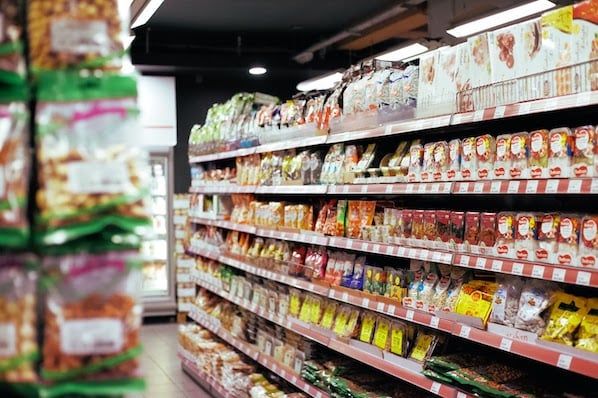
Think generic brands at the supermarket or budget airlines that forego all the extras. With economy pricing, you‘re appealing to the most budget-conscious consumers by keeping your own costs as low as possible.
This contrasts with other common pricing strategies like:
- Premium pricing – higher prices for high-end products with superior quality, features, or brand prestige
- Value-based pricing – prices are set based on the perceived value to the customer rather than the cost of production
- Competitive pricing – setting prices relative to competing products on the market
With economy pricing, the absolute lowest price point is the main differentiator and selling point, rather than product quality, features, or brand.
How Economy Pricing Works
The foundation of a successful economy pricing strategy is to minimize the costs of producing and selling the product. The lower your costs, the lower you can set your price while still turning a profit.
Some key tactics for keeping costs low include:
- Streamlining product design and using cheaper materials
- Optimizing production processes to maximize efficiency
- Reducing packaging and logistics expenses
- Cutting marketing and advertising spend
- Offering fewer product variations and customization options
By operating as lean as possible, economy priced brands accept a lower profit margin on each individual sale. However, they make up for it by selling a very high volume. The typical profit margin for economy goods is in the range of 1-5%, compared to 10-30%+ for mid-range or premium products.
Here‘s a simple formula for economy pricing:
Selling Price = (Production Cost + Shipping & Handling) x (1 + Profit Margin)
For example, let‘s say your production cost for a basic widget is $5 and shipping is another $1 per unit. If you set a 3% profit margin, the economy price would be:
($5 + $1) x (1 + 0.03) = $6.18
At that price, you would need to sell a high volume of several hundred or thousands of units to generate a meaningful profit. But as long as you keep your costs very low, economy pricing can be sustainable.
Benefits of Economy Pricing
When executed well, economy pricing offers several advantages:
1. Reaching Price-Sensitive Customers
Economy pricing is attractive to the most budget-conscious consumers who are unwilling or unable to pay for pricier products. In many markets, this frugal segment is sizable and economy pricing is the only way to penetrate it profitably.
2. Market Penetration
Setting the lowest price point can quickly win market share away from higher-priced competitors. An economy price can entice customers to switch brands or try a product for the first time. It‘s an effective way for new brands to break into a market.
3. Building Brand Awareness
Economy priced products are often from lesser-known or generic brands. But if the price is right, customers will still give them a try. Over time, this boosts brand awareness and recognition as more people are exposed to and purchase the cheap options.
4. Lower Costs and Overhead
With less money tied up in production and marketing, economy brands can operate very lean. This frees up cash flow to expand production capacity, fund new product lines, or improve profit margins. Minimal overhead also makes the business more resilient to market downturns.
Risks and Drawbacks of Economy Pricing
However, economy pricing also has some significant risks and limitations:
1. Potential for Brand Damage
Consistently offering the cheapest products can create a perception of low quality. If products are so cheap that they are perceived as significantly inferior or even dangerous, it can seriously undermine the brand. There is a fine line between affordable and unacceptably shoddy.
2. Difficulty Raising Prices
Once a brand is perceived as the budget option, it can be very difficult to raise prices in the future without losing customers. You may improve the product, but budget shoppers will look elsewhere if the price goes up. Getting stuck in the economy segment long-term can limit growth.
3. Price Wars and Low Loyalty
Economy pricing often leads to price-based competition where brands seek to undercut each other. This race to the bottom slashes everyone‘s margins. And since economy customers tend to be fickle and disloyal, they will quickly jump ship if a cheaper option appears.
4. High Sales Volume Required
The low profit margins inherent to economy pricing put immense pressure on sales volume. If demand slows down due to increased competition, a recession, or other factors, it can quickly erase your profits and destabilize the business. You need consistently high sales to make it work.
Is Economy Pricing Right for Your Business?
With those benefits and risks in mind, here are some situations where economy pricing tends to work best:
- In large markets with many budget-conscious consumers, such as grocery staples, basic clothing, or household goods
- For relatively simple products where low cost doesn‘t necessarily mean low quality, such as generic drugs or basic electronics
- When you have the production capacity and supply chain to support high sales volumes
- If you have a clear cost advantage over competitors that allows you to offer the lowest prices while still turning a profit
However, economy pricing is usually not a good fit for:
- Highly complex or technical products where low price equates to inferior quality or safety risks that could damage the brand
- Niche or luxury markets where customers are less price-sensitive and will pay more for premium products
- Small businesses that lack the scale and resources to produce large quantities at a very low cost
- Growth-focused brands that want to cultivate customer loyalty and have the flexibility to raise prices over time
Ultimately, the right pricing strategy depends on your target market, your production capabilities, and your business goals. Economy pricing can work very well, but it‘s not the ideal approach for every situation.
Tips for Executing an Economy Pricing Strategy
If you decide to pursue economy pricing, here are some tips to maximize your odds of success:
1. Aggressively Reduce Production Costs
Audit every aspect of your production process and cut costs wherever possible. Negotiate the best prices from suppliers, streamline packaging, optimize logistics and fulfillment, and embrace automation to reduce labor needs. Every cent matters.
2. Accept Lower Profit Margins (At Least Initially)
Understand that you will need to offer a rock-bottom price to get budget customers‘ attention. Be ready to accept slim profit margins at first as you work to expand sales volume. You can always look for opportunities to reduce costs further as you grow.
3. Prioritize a Lean Supply Chain
Look for suppliers and partners that specialize in low costs and high volume. You may need backup suppliers in case of delays or shortages. Work to minimize inventory levels and embrace just-in-time production when possible.
4. Limit Marketing and Advertising
Let your low price do most of the selling. Some targeted online ads, in-store promos, or PR can help spread the word. But avoid big ad campaigns that will drive up your overhead. Aim to keep marketing to 5% of sales or less.
5. Focus on Core Products
Economy brands succeed by selling large quantities of a limited number of items. Resist the urge to expand into many product variations. Focus on your best sellers and work to drive costs down and margins up incrementally over time.
6. Monitor the Competition Closely
Pay close attention to competitors‘ prices and be prepared to respond quickly. But avoid being overly reactive and slashing prices below sustainability. Use temporary promotions strategically and focus on reducing your own costs as much as marketing hype.
Real-World Examples of Successful Economy Pricing
Here are a few well-known brands that have used economy pricing to great effect:
1. Costco‘s Kirkland Signature
Costco‘s private label brand offers staple products like food, housewares and clothing at very low prices. By cutting out the middleman and focusing on efficiency, Kirkland provides excellent value. The brand boosts Costco‘s margins and customer loyalty.
2. Spirit Airlines
This discount airline takes economy pricing to the extreme, offering cheap base fares but charging extra for everything from carry-on bags to printing a boarding pass. It attracts the most frugal travelers and has grown rapidly, but also consistently rates last in customer satisfaction.
3. Great Value (Walmart)
Walmart‘s Great Value brand spans over 100 categories including food, beauty, and paper goods. It undercuts national brands on price while maintaining acceptable quality. The brand keeps Walmart synonymous with low prices and helps it fend off Amazon.
4. Anker
This Chinese electronics brand started by selling inexpensive battery packs and phone chargers on Amazon. It has expanded into audio, smart home, and other products, but always at a significant discount to premium brands. Anker has built a loyal following and recently filed for a $1.5B IPO.
The Bottom Line on Economy Pricing
Economy pricing is a powerful strategy for appealing to budget-conscious consumers and building market share quickly. By ruthlessly reducing costs and accepting lower margins, businesses can attract a high volume of price-driven customers.
However, there are risks to brand perception, price wars, and unsustainable margins if sales dip. Economy pricing works best for simple products targeted at large, budget-sensitive markets. Success requires a laser focus on efficiency and a business model built for high-volume sales.
As an entrepreneur, think carefully about your target customers, market positioning, and long-term goals before pursuing economy pricing. It‘s not the best fit for every business. But in the right circumstances, it can be an effective way to break into a competitive market and win a loyal customer base.
Whichever pricing strategy you choose, remember that providing genuine value to the customer is always the foundation of a strong brand. Even with economy pricing, cutting too many corners will eventually catch up with you. But if you can deliver acceptable quality at the lowest possible price, you may be surprised how quickly you can gain traction.

![The 18 Best Places for Sales Reps to Research Prospects in 2024 [Expert Tips]](https://greenlitcontent.com/wp-content/uploads/2026/04/20260423105437-69e9fa6ddb5c9.jpg)