The Cool Science of Refrigeration: How Your Fridge Keeps Food Fresh
Have you ever paused to marvel at the ingenious device humming away in your kitchen, tirelessly working to keep your food fresh? The refrigerator is a triumph of human engineering, applying fundamental principles of physics and chemistry to solve one of humanity's oldest challenges: food preservation. In this deep dive into the world of refrigeration, we'll explore the fascinating science that keeps your groceries cool, even on the hottest summer days.
The Fundamental Need for Refrigeration
Before we delve into the intricate workings of a refrigerator, it's crucial to understand why we need this technology in the first place. At its core, refrigeration is about slowing down the natural process of food spoilage. This spoilage is primarily caused by the growth of bacteria, which thrive in warm, moist environments. By lowering the temperature, we significantly slow down bacterial reproduction, thereby extending the shelf life of our food.
But the benefits of refrigeration extend far beyond just keeping our milk from turning sour. This technology has revolutionized our food supply chains, allowing for the global distribution of perishable goods. It has improved public health by reducing foodborne illnesses and has even played a crucial role in medical and scientific advancements, from organ preservation to superconductivity research.
The Science of Heat Transfer: The Foundation of Refrigeration
To truly appreciate how a refrigerator works, we need to understand the fundamental concept of heat transfer. In nature, heat always flows from warmer objects to cooler ones. This is why an ice cube melts in your hand – the heat from your warm skin flows into the cold ice.
However, refrigerators seem to defy this natural law by moving heat from a cool place (inside the fridge) to a warmer place (your kitchen). This apparent contradiction is resolved through the clever application of thermodynamics and the unique properties of certain substances called refrigerants.
Refrigerants: The Unsung Heroes of Cooling
At the heart of every refrigerator is a special substance called a refrigerant. These compounds are the secret sauce that makes cooling possible. Refrigerants have a unique property: they can easily change between liquid and gas states, and this phase change allows them to absorb and release large amounts of heat.
In the early days of refrigeration, substances like ammonia, sulfur dioxide, and even methyl chloride were used as refrigerants. However, these were often toxic, flammable, or both. The 1930s saw the introduction of chlorofluorocarbons (CFCs) like Freon, which were safer to use but later discovered to be harmful to the ozone layer.
Today, modern refrigerators typically use hydrofluorocarbons (HFCs) like R-134a (Tetrafluoroethane) or hydrocarbon refrigerants like R-600a (Isobutane). These have much lower environmental impact, though research continues into even more eco-friendly alternatives.
The Refrigeration Cycle: A Thermodynamic Journey
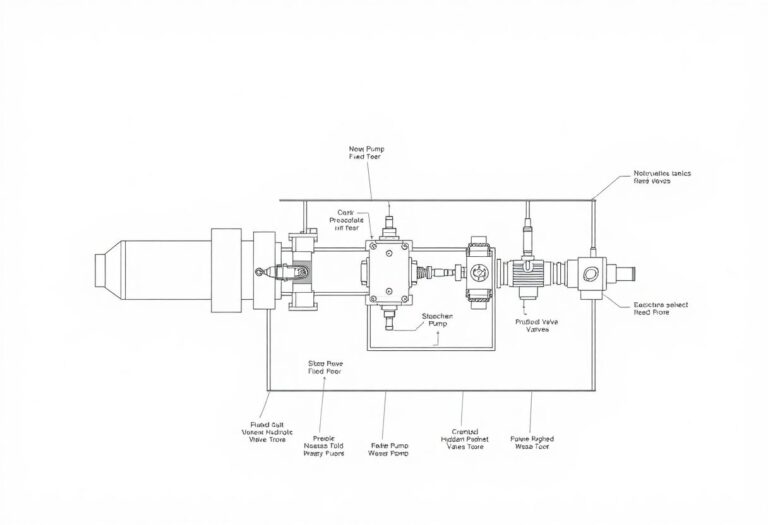
Now, let's embark on a step-by-step journey through the refrigeration cycle, following the path of the refrigerant as it works its cooling magic.
-
Expansion: The cycle begins with liquid refrigerant at high pressure. This liquid passes through an expansion valve, which allows it to expand rapidly. As it expands, it changes from a liquid to a gas, absorbing heat in the process. This endothermic reaction creates a cooling effect, much like how your skin feels cool when water evaporates from it.
-
Evaporation: The now-cold, gaseous refrigerant flows through coils inside the fridge (the evaporator). As it does so, it absorbs heat from the air inside the fridge, cooling the interior and, by extension, your food. This is why these coils often frost over in older fridges.
-
Compression: The refrigerant, now a warm gas, is sucked into a compressor. This is essentially a pump that squeezes the gas, increasing its pressure and, consequently, its temperature. This process requires energy input, which is why refrigerators consume electricity.
-
Condensation: The hot, high-pressure gas moves through coils on the back of the fridge (the condenser). As it cools, it condenses back into a liquid, releasing heat into your kitchen. This is why the back of your fridge feels warm.
-
The cycle then repeats, with the liquid refrigerant returning to the expansion valve to begin anew.
This continuous cycle keeps your fridge cool by constantly removing heat from inside and releasing it outside, effectively creating a heat pump.
The Key Components: A Closer Look
Let's examine the main parts that make this cooling cycle possible:
-
Compressor: Often called the "heart" of the refrigerator, the compressor pumps the refrigerant through the system and creates the pressure difference that drives the cooling cycle. Modern compressors are marvels of engineering, designed to operate efficiently and quietly for years.
-
Condenser Coils: Usually located on the back of the fridge, these are where the hot refrigerant releases heat and turns back into a liquid. The design of these coils is crucial for efficient heat dissipation.
-
Expansion Valve: This simple but crucial component allows the liquid refrigerant to expand and cool rapidly. It's essentially a nozzle that controls the flow of refrigerant into the evaporator.
-
Evaporator Coils: Located inside the fridge, these are where the cold refrigerant absorbs heat from the fridge interior. In many modern fridges, a fan circulates air over these coils to distribute the cooling effect more evenly.
-
Thermostat: This component monitors the temperature inside the fridge and turns the compressor on and off to maintain the desired temperature. Modern refrigerators often use electronic thermostats for more precise control.
Advanced Refrigeration Technologies
While the basic principles of refrigeration have remained largely unchanged since their invention, modern technology has brought significant improvements in efficiency, reliability, and features.
Inverter technology, for instance, allows the compressor to run at variable speeds rather than simply turning on and off. This results in more stable temperatures and improved energy efficiency. Some high-end refrigerators even use multiple compressors to create separate cooling zones for different types of food.
Another exciting development is the use of magnetocaloric materials for cooling. This technology, still in the research phase, could potentially lead to refrigerators that are more energy-efficient and use no harmful gases.
The Environmental Impact of Refrigeration
While refrigeration has undoubtedly improved our quality of life, it's not without environmental concerns. Refrigerators account for about 7% of an average home's energy use, according to the U.S. Department of Energy. However, modern Energy Star certified models can use up to 15% less energy than standard models.
The refrigerants themselves have been a major environmental issue. CFCs were phased out due to their ozone-depleting properties, but their replacements, HFCs, are still potent greenhouse gases. The Kigali Amendment to the Montreal Protocol, agreed upon in 2016, aims to phase down the use of HFCs globally.
Some newer refrigerator models use natural refrigerants like propane or isobutane, which have much lower global warming potential. However, these can be flammable, requiring careful design and safety measures.
Beyond the Kitchen: Industrial and Commercial Refrigeration
The principles we've discussed don't just apply to your home fridge. They're used in a wide range of applications, each with its own unique challenges and solutions:
- Supermarket display cases need to keep food cold while still allowing easy access for customers.
- Industrial freezers in food processing plants must maintain extremely low temperatures consistently.
- Cold storage warehouses have to cool vast spaces efficiently.
- Air conditioning systems apply the same principles to cool entire buildings.
- Cryogenic systems for scientific research can achieve temperatures close to absolute zero.
Each of these applications requires specialized equipment and expertise, but they all rely on the same fundamental principles of heat transfer and the refrigeration cycle.
The Future of Refrigeration
As we look to the future, several exciting trends are emerging in refrigeration technology:
-
Smart Refrigerators: These internet-connected appliances can track food inventory, suggest recipes, and even order groceries automatically.
-
Improved Energy Efficiency: Ongoing research aims to make refrigerators even more energy-efficient, reducing their environmental impact.
-
Alternative Cooling Technologies: From thermoelectric cooling to magnetocaloric refrigeration, scientists are exploring new ways to achieve cooling without traditional compressors and refrigerants.
-
Sustainable Refrigerants: The search continues for refrigerants that are both effective and environmentally friendly.
-
Solar-Powered Refrigeration: This technology could bring reliable food preservation to areas without consistent electricity access, potentially revolutionizing food security in developing regions.
Conclusion: Keeping Our Cool in a Warming World
From preserving our food to enabling scientific breakthroughs, refrigeration technology plays a crucial role in modern life. Understanding how it works not only satisfies our curiosity but also helps us use these appliances more efficiently and make informed decisions about energy use.
As we face the challenges of climate change, the future of refrigeration will likely involve a delicate balance between meeting our cooling needs and minimizing environmental impact. Innovations in energy efficiency, smart technology, and alternative cooling methods will be key to achieving this balance.
The next time you open your fridge for a cold drink, take a moment to appreciate the ingenious science working behind the scenes. That familiar hum is the sound of thermodynamics in action, a testament to human ingenuity and our ever-evolving quest to control our environment. In the grand scheme of things, refrigeration is more than just a convenience – it's a cool example of how understanding and harnessing the laws of nature can transform our world.