The Fascinating World of Electric Showers: How They Work and Why They Matter
Electric showers are marvels of modern engineering that have revolutionized our daily bathing routines. These compact yet powerful devices provide instant hot water at the touch of a button, offering convenience and energy efficiency in one sleek package. In this comprehensive guide, we'll delve deep into the inner workings of electric showers, exploring their components, benefits, and the science that makes them tick.
The Basics: What is an Electric Shower?
At its core, an electric shower is a self-contained unit that heats water on demand using electricity. Unlike traditional shower systems that rely on pre-heated water from a boiler or tank, electric showers take in cold water and heat it instantaneously as it passes through the unit. This ingenious design eliminates the need for a bulky hot water storage system and ensures that hot water is available whenever you need it.
The Inner Workings: How Does an Electric Shower Function?
To truly appreciate the brilliance of electric showers, we need to understand their key components and how they work together. Let's break down the process step by step:
1. Water Intake
When you turn on an electric shower, cold water from your home's main supply enters the unit through the water inlet. This inlet is typically fitted with a filter to prevent debris from entering the system, ensuring smooth operation and longevity of the unit.
2. The Heating Element: The Heart of the System
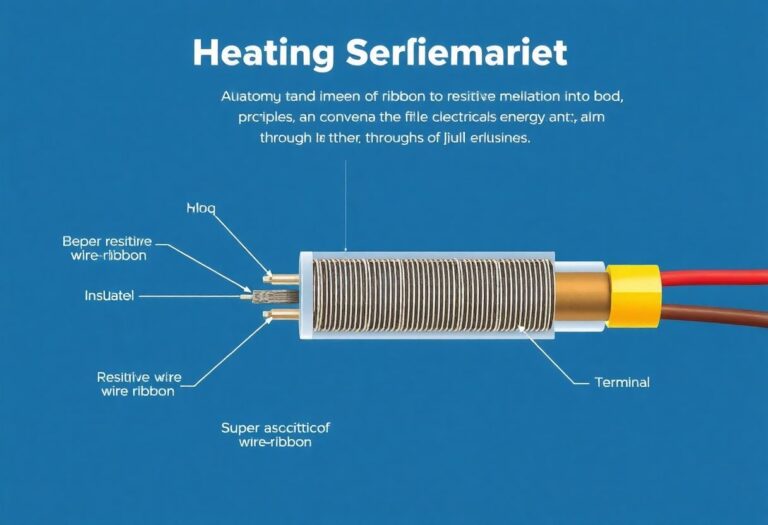
The most crucial component of an electric shower is its heating element. As water flows into the unit, it passes over this element, which rapidly heats the water to your desired temperature. The heating element works on the principle of electrical resistance, similar to the element in an electric kettle or stovetop.
Modern electric showers typically use a nichrome wire heating element, which is an alloy of nickel and chromium. This material is chosen for its high resistance to electricity and its ability to withstand repeated heating and cooling cycles without degradation. When an electric current passes through the nichrome wire, it encounters resistance, causing the wire to heat up rapidly. This heat is then transferred to the water flowing around it.
The power rating of electric showers, typically ranging from 7.5kW to 10.8kW, directly relates to how quickly and effectively they can heat water. A higher power rating means the shower can heat water more quickly and maintain higher temperatures at higher flow rates.
3. Temperature Control: Fine-Tuning Your Shower Experience
One of the most appreciated features of electric showers is the ability to precisely control water temperature. This is achieved through a combination of flow control and power regulation.
When you adjust the temperature dial on your electric shower, you're actually controlling two factors:
-
The amount of water flowing over the heating element: Increasing the flow means more water passes over the element, resulting in a cooler shower. Decreasing the flow allows the element to heat the water to a higher temperature.
-
The power supplied to the heating element: Some advanced models can also adjust the electrical power supplied to the heating element, providing an additional layer of temperature control.
Many modern electric showers incorporate thermostatic control for even more precise temperature management. These systems use a wax thermostat, a clever device that expands and contracts with temperature changes. As the water temperature fluctuates, the wax capsule adjusts the mix of hot and cold water, maintaining a constant temperature even if the water pressure or incoming water temperature changes.
4. Flow Regulation: Balancing Temperature and Pressure
The flow control valve in an electric shower serves a dual purpose. First, it regulates the amount of water passing through the unit, which affects both the water pressure you feel and how effectively the water can be heated. Second, it plays a crucial role in temperature control, as mentioned earlier.
Most electric showers use a stabilizer or pressure-balancing valve to maintain consistent water flow even if the water pressure in your home fluctuates. This ensures a steady shower experience and helps prevent sudden temperature changes.
5. Safety First: Built-in Protections
Safety is paramount when dealing with the combination of water and electricity. Electric showers incorporate several safety mechanisms to protect users:
- Thermal cut-out: This device shuts off the heating element if the water temperature gets too high, preventing scalding.
- Pressure relief device: In case of excessive pressure build-up, this mechanism releases pressure to prevent damage to the unit.
- Double-pole switch: This ensures that both the live and neutral wires are disconnected when the shower is turned off, providing an extra layer of electrical safety.
6. The Grand Finale: Water Delivery
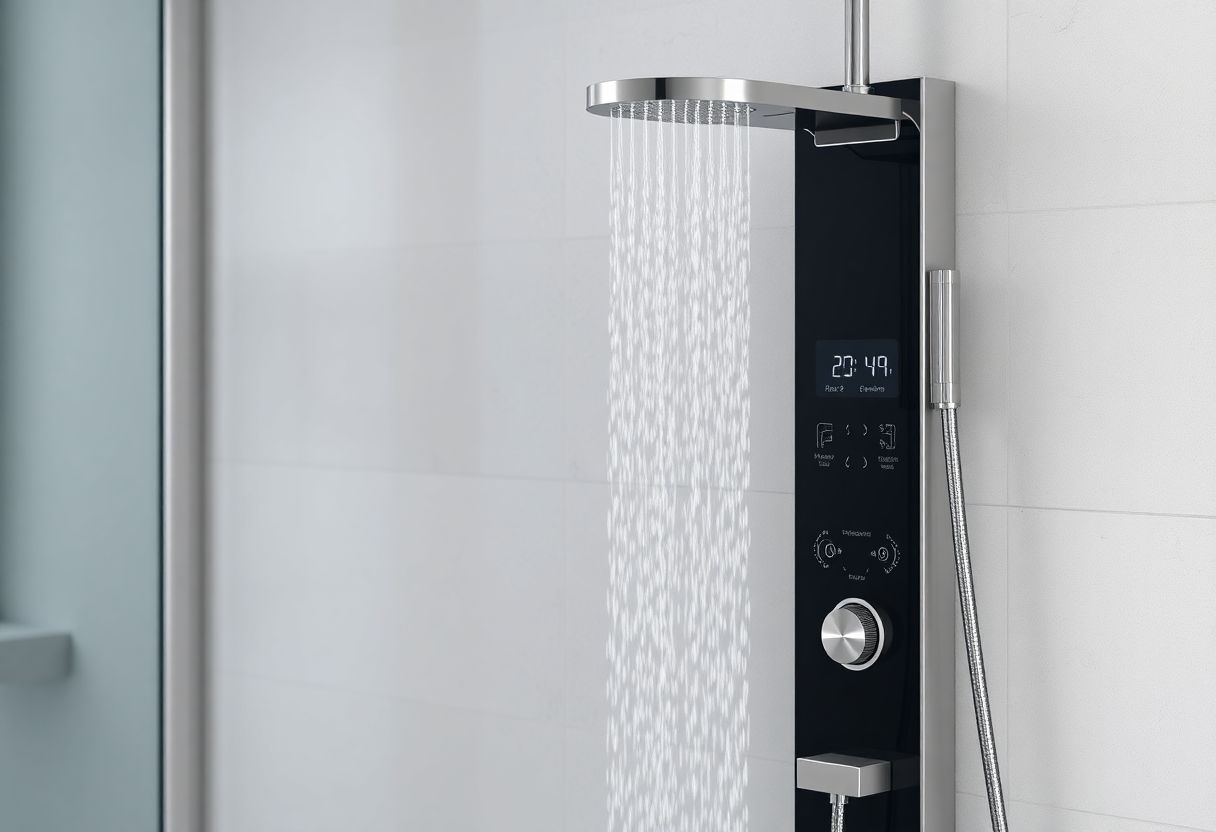
After passing through all these stages, the perfectly heated water finally emerges from the shower head, ready for your enjoyment. Modern shower heads often feature multiple spray patterns and water-saving designs to enhance your showering experience while promoting efficiency.
The Science Behind the Scenes: Thermodynamics and Electrical Engineering
The operation of an electric shower is a practical application of several scientific principles, primarily from the fields of thermodynamics and electrical engineering.
Thermodynamics in Action
The heating process in an electric shower is governed by the laws of thermodynamics. Specifically, it demonstrates the first law of thermodynamics, which states that energy can be converted from one form to another but cannot be created or destroyed. In this case, electrical energy is converted into thermal energy, which is then transferred to the water.
The rate of heat transfer to the water can be calculated using the specific heat capacity of water, which is approximately 4.18 J/(g·°C). This means it takes 4.18 joules of energy to raise the temperature of one gram of water by one degree Celsius. Using this information, we can calculate the energy required to heat water for a shower:
Energy (in joules) = Mass of water (g) × Specific heat capacity of water × Temperature change (°C)
For example, to heat 5 liters (5000g) of water from 15°C to 40°C:
Energy = 5000g × 4.18 J/(g·°C) × (40°C – 15°C) = 522,500 joules or about 0.145 kWh
Electrical Engineering Principles
The electrical aspects of an electric shower are equally fascinating. The heating element operates based on Joule heating, also known as resistive or ohmic heating. This principle states that when an electric current passes through a conductor, electrical energy is converted to thermal energy.
The amount of heat generated is given by Joule's first law:
Q = I²Rt
Where:
Q = Heat generated
I = Current
R = Resistance of the conductor
t = Time
This explains why electric showers with higher power ratings can heat water more quickly and maintain higher temperatures at higher flow rates.
Benefits and Considerations: Why Choose an Electric Shower?
Electric showers offer several advantages that make them an attractive option for many households:
-
Instant hot water: Unlike systems that rely on a hot water tank, electric showers provide hot water on demand, eliminating the need to wait for water to heat up.
-
Energy efficiency: Electric showers only heat the water you use, which can be more energy-efficient than maintaining a large tank of hot water, especially for short showers or households with low hot water usage.
-
Space-saving: Without the need for a hot water tank, electric showers are ideal for small homes or apartments where space is at a premium.
-
Consistent temperature: Electric showers are less affected by other water usage in the house, providing a more consistent showering experience.
-
Cost-effective: In many cases, electric showers can be cheaper to run than heating a whole tank of water, particularly for smaller households.
However, it's important to consider some potential drawbacks:
-
High power consumption: While efficient for short showers, the high wattage of electric showers (typically 7.5-10.8kW) means they consume a significant amount of electricity when in use.
-
Water pressure: Electric showers may have lower water pressure compared to showers connected to a high-pressure hot water system.
-
Installation requirements: Electric showers often require their own dedicated electrical circuit due to their high power draw, which may necessitate additional electrical work during installation.
Environmental Impact and Sustainability
As we become increasingly aware of our environmental footprint, it's crucial to consider the sustainability aspects of our home appliances, including electric showers.
Electric showers can be a more environmentally friendly option in several ways:
-
Reduced water waste: By heating water on demand, electric showers eliminate the need to run the shower while waiting for hot water to arrive from a distant tank.
-
Energy efficiency: For short showers or in households with low hot water usage, electric showers can be more energy-efficient than maintaining a large tank of hot water at a constant temperature.
-
Water-saving features: Many modern electric showers incorporate low-flow shower heads and eco settings to reduce water consumption without compromising the showering experience.
However, the overall environmental impact of an electric shower depends largely on the source of the electricity used to power it. In regions where electricity is primarily generated from fossil fuels, the carbon footprint of an electric shower may be higher than that of a gas-heated water system. On the other hand, if your home uses renewable energy sources like solar panels or if your local grid has a high percentage of renewable energy, an electric shower becomes an even greener choice.
To maximize the sustainability of your electric shower:
- Opt for models with high energy efficiency ratings
- Use eco settings and low-flow shower heads when possible
- Consider the source of your electricity and explore renewable options if available
- Maintain your shower regularly to ensure it operates at peak efficiency
Innovations and Future Trends
The world of electric showers is continually evolving, with manufacturers introducing new technologies to enhance performance, efficiency, and user experience. Some recent and upcoming innovations include:
-
Digital controls: Advanced digital interfaces allow for precise temperature settings, presets for different users, and even voice control integration.
-
Smart connectivity: Some models now offer smartphone app control, allowing users to preheat their shower or monitor energy usage remotely.
-
Advanced eco-functions: New designs incorporate more sophisticated water and energy-saving features, such as auto-stop functions and real-time consumption displays.
-
Improved heating elements: Research into new materials and designs for heating elements promises to increase efficiency and reduce scale build-up.
-
Integration with home automation systems: As smart homes become more prevalent, we can expect to see electric showers that integrate seamlessly with whole-house energy management systems.
-
Enhanced safety features: Future models may incorporate advanced sensors to detect potential electrical faults or water quality issues.
Looking ahead, we can anticipate further advancements in electric shower technology, driven by the push for greater energy efficiency and the growing demand for smart home integration. Potential future developments might include:
- Use of heat pump technology to increase energy efficiency
- Integration of water recycling systems for ultra-low water consumption
- Development of self-cleaning systems to reduce maintenance needs
- Incorporation of water quality monitoring and treatment features
Conclusion: The Electric Shower in Modern Life
Electric showers represent a perfect blend of convenience, efficiency, and technological innovation. By providing instant hot water without the need for a bulky storage tank, they offer a space-saving and potentially energy-efficient solution for modern homes. The clever engineering behind these devices, from their rapid heating elements to their precise temperature controls, showcases the application of fundamental scientific principles in everyday life.
As we look to the future, electric showers are likely to play an increasingly important role in our efforts to create more sustainable and energy-efficient homes. With ongoing advancements in technology and a growing focus on environmental considerations, we can expect to see even more innovative and efficient electric shower designs in the years to come.
Whether you're considering installing an electric shower in your home or simply curious about the technology behind your daily routine, understanding how these devices work can give you a new appreciation for the engineering marvels we often take for granted. The next time you step into your shower and feel that perfect stream of hot water, take a moment to marvel at the intricate dance of water, electricity, and thermodynamics that makes it all possible.