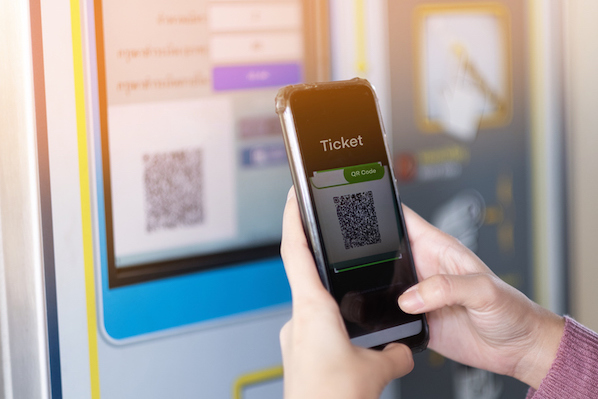
7 Innovative Ways Companies are Using QR Codes to Revolutionize Customer Service in 2024
QR codes have come a long way from their humble beginnings in the automotive industry in 1994. These two-dimensional barcodes have evolved from a niche technology to a mainstream staple, reshaping how businesses interact with customers in our increasingly mobile, self-service world.
The numbers paint a clear picture of QR codes‘ skyrocketing popularity. According to a survey by Statista, 32% of US smartphone users have scanned a QR code in the past month, up from just 9% in 2018. And a global study by MobileIron found that 86% of consumers have scanned a QR code at least once, with nearly 40% scanning one in the past week alone.
While QR codes were already on the rise pre-2020, the COVID-19 pandemic has further accelerated adoption as businesses scramble to offer contactless solutions. From touch-free menus to virtual queuing, QR codes have become an essential tool for navigating the new normal. But their utility extends far beyond pandemic precautions.
Forward-thinking companies are harnessing the power of QR codes to bridge the gap between physical and digital experiences at every stage of the customer journey. By enabling instant access to information, streamlining transactions, and empowering self-service, QR codes remove friction and elevate the customer experience.
Let‘s explore 7 of the most innovative and impactful ways businesses are using QR codes to revolutionize their customer service in 2024.
1. Contactless Restaurant Menus & Ordering
The restaurant industry was one of the hardest hit by the pandemic, forcing eateries to quickly pivot to contactless solutions. Many turned to QR codes as a way to replace germ-ridden physical menus and minimize contact between diners and staff.
It‘s now commonplace to sit down at a table and find a QR code in lieu of a menu. A quick scan with your smartphone camera brings up the full menu, complete with mouth-watering photos, detailed descriptions, and even dietary information like calorie counts or allergen warnings. This not only creates a more sanitary dining experience, but also empowers customers with more information to make informed ordering decisions.
Some restaurants are taking it a step further by allowing diners to order and pay directly from their phone after scanning the QR code. This eliminates the need to flag down a server or wait for the check, creating a more efficient and frictionless experience. Plus, it frees up staff to focus on food preparation and delivery rather than order taking and payment processing.
For example, Chick-fil-A recently rolled out "dine-in mobile ordering" at all 1,400+ of its locations after a successful pilot in 2021. Customers can scan a QR code at their table, place their order through the Chick-fil-A app, and have their food delivered directly to their seat. Early results show higher average checks and customer satisfaction scores for orders placed via QR code.
2. Frictionless App Downloads
Mobile apps have become a key engagement and retention tool for businesses across industries. But getting customers to download your app in the first place can be a challenge. That‘s where QR codes come in.
By displaying QR codes on product packaging, in-store signage, print ads, or even TV commercials, brands can make it effortless for customers to download their app. A quick scan automatically directs the user to the appropriate app store page, ready to install. No more hoping a customer will remember your app later or expecting them to search for it themselves.
This removes friction from the app discovery and acquisition process, increasing the likelihood that a customer will actually download and use your app. And once your app is on their phone, you have a direct channel to send push notifications, personalized offers, and timely updates to keep them engaged.
Coinbase, one of the world‘s largest cryptocurrency exchanges, uses QR codes to simplify the process of downloading their mobile wallet app. Users can scan the code on the Coinbase website or physical marketing materials to instantly access the app store page. This has helped Coinbase amass over 98 million verified users and $256 billion in assets on their platform.
3. Instant Product Information
In today‘s information age, consumers expect to be able to access detailed product specs, reviews, tutorials and more before making a purchase. But cramming all of that onto product packaging or in-store displays is a tall order.
Enter the trusty QR code. By placing scannable codes directly on products, tags or shelf talkers, retailers can instantly connect shoppers to a wealth of supplementary information. This could include demo videos, customer testimonials, blog posts, instruction manuals, warranty details and more. Customers get the information they need to make confident purchasing decisions, while retailers can showcase their expertise and strengthen brand trust.
Home Depot has been a pioneer in using QR codes to enhance the in-store shopping experience. Their mobile app allows customers to scan codes throughout the store for instant access to product ratings and reviews, how-to guides, and related items. For example, scanning a QR code on a can of paint might bring up a calculator to determine how much you need, color matching tools, application tips, and user-generated photos of the paint in real homes.
4. Contactless Payments
The way we pay for goods and services is evolving at breakneck speed. Contactless payments, which allow customers to complete transactions without swiping, inserting or even tapping a card, are quickly becoming the norm. And QR codes are playing a major role in this shift.
Here‘s how it works: A merchant displays a unique QR code at checkout, which the customer simply scans with their smartphone camera. This automatically launches a digital wallet like PayPal, Venmo, Apple Pay or Google Pay, where the customer can securely complete the transaction with just a few taps. No physical exchange of cash or cards required.
This touch-free payment method is not only more hygienic in a post-COVID world, but also incredibly convenient for customers and businesses alike. It‘s faster than traditional methods, reducing checkout times and line lengths. It also integrates seamlessly with loyalty programs and digital receipts, creating a more streamlined experience.
Major retailers like Walmart, Target and CVS have all rolled out QR code payment options in their stores, and more are sure to follow suit. Even small businesses and solopreneurs can easily implement QR code payments using platforms like Square or PayPal.
5. Digital Business Cards
In our digital-first world, paper business cards are starting to feel a bit antiquated. They‘re easily lost, forgotten or tossed, and manually inputting contact information is a chore. But with QR code business cards, exchanging information has never been easier or more efficient.
Here‘s how they work: Instead of handing out a traditional card, you generate a unique QR code that contains all of your key contact details – name, title, company, email, phone number, website, social profiles and more. When scanned, this code automatically creates a new contact entry on the recipient‘s smartphone. Some even allow you to include a vCard, so your info can be easily saved to their existing address book.
This makes exchanging information lightning fast and virtually eliminates the risk of losing someone‘s card or forgetting to follow up. Plus, digital business cards can be updated in real-time, so you never have to worry about reprinting when your details change.
As an added bonus, many QR code business card platforms offer analytics to show you who has scanned your code, when and where. This can be a valuable tool for measuring the ROI of your networking efforts and identifying hot leads.
6. Digital Product Manuals
If you‘ve ever purchased a complex product like a piece of furniture, appliance or tech gadget, you know the frustration of trying to locate the instruction manual – especially when you‘re mid-assembly or troubleshooting an issue. But what if you could access the manual anytime, anywhere just by scanning a QR code on the product itself?
That‘s the approach a growing number of manufacturers are taking by replacing paper manuals with digital versions accessed via QR code. This not only eliminates the risk of losing or damaging the physical booklet, but also allows for a more interactive and user-friendly experience.
With a digital manual, brands can include helpful videos, animations, and step-by-step guides that go beyond the limitations of print. They can also easily update the manual over time as products are enhanced or new FAQs arise – no need to wait for the next print run.
Brands like Sony, Samsung and Weber have all adopted QR code manuals for various products. IKEA even uses them for assembly instructions, complete with 3D models that can be rotated and zoomed for better visualization.
7. Self-Service Returns & Exchanges
Processing returns and exchanges is often a pain point for both customers and retailers. It typically involves printing labels, waiting in line at the post office or customer service desk, and then anxiously checking your bank account for the refund to appear. But several major brands are using QR codes to streamline this process and put the power in customers‘ hands.
Amazon, the ecommerce giant that has pretty much set the standard for self-service returns, allows customers to initiate a product return by scanning a QR code on their shipping label. This automatically triggers the refund process and generates a return shipping label, which the customer can then take to any Amazon physical location, Kohl‘s store, or UPS dropoff point. No printing, packaging or postage required.
Walmart has a similar "Mobile Express Returns" feature, where customers can scan a QR code on their receipt using the Walmart app to quickly start a return. Once the item is scanned at the customer service desk, the refund is instantly processed back to the original payment method – no more waiting 5-10 business days.
This self-service approach not only saves time and hassle for customers, but also reduces labor costs for retailers. Staff can focus on more complex issues and selling rather than processing routine returns. Plus, it minimizes contact between customers and employees – a key consideration in the COVID era.
Implementing QR Codes in Your Business
Convinced that QR codes could be a game changer for your business? The good news is that getting started is easier and more affordable than you might think.
There are a number of free online QR code generators that allow you to create static codes (which encode a fixed piece of information) or dynamic codes (which can be edited and updated even after printing). You can customize the design of your code with colors, logos and formats to align with your visual branding.
For more advanced features like detailed analytics, password protection, expiration dates and bulk creation, you may want to consider a paid platform like QR Code Generator or Beaconstac. These start at around $5-20 per month based on the number of codes and scans you need.
Once you‘ve created your codes, you‘ll need to strategize placement to maximize visibility and engagement. Put yourself in your customer‘s shoes and identify natural points in their journey where a QR code could remove friction or add value. Some common use cases include:
- Product packaging
- In-store signage & displays
- Print marketing materials
- Digital ads & social media posts
- Receipts & invoices
- Business cards & name tags
- Employee uniforms
- Vehicles & billboards
Of course, you‘ll also need to ensure you‘re delivering a seamless experience on the other end of the code. That means mobile-optimized content, fast load times, and clear calls-to-action. Nothing frustrates a user more than scanning a code only to be met with a clunky, non-mobile-friendly site.
It‘s also important to track and measure the performance of your QR codes so you can continually optimize your strategy. Most QR code platforms offer built-in analytics to show you metrics like the number of scans, unique users, location, device type, and time of day. You can use these insights to A/B test different codes, content and placements to see what resonates best with your audience.
The Future is Frictionless
As we‘ve seen, QR codes are a powerful tool for bridging the gap between physical and digital customer experiences. When used strategically, they can streamline processes, provide value, and create moments of delight and convenience for your customers.
But perhaps most importantly, QR codes put the customer in control. In an age where consumers crave autonomy and self-service, QR codes empower them to access information, make purchases, and resolve issues on their own terms. It‘s about meeting customers where they are and making their lives easier.
As we look ahead to the future of customer experience, it‘s clear that removing friction will be key. Contactless solutions like QR codes, which were already gaining steam pre-pandemic, have been turbocharged by our new normal. And there‘s no going back.
The businesses that win in 2024 and beyond will be those that can leverage technology to create seamless, effortless experiences at every customer touchpoint – and QR codes are sure to play a starring role.