Unleashing the Power of ChatGPT: A Comprehensive Guide to Developing Plugins
As an AI and LLM expert, I‘m thrilled to share with you a deep dive into the world of ChatGPT plugin development. In this comprehensive guide, we‘ll explore the immense potential of this revolutionary technology, uncover the benefits of creating your own plugins, and guide you through the step-by-step process of bringing your ideas to life.
The Rise of ChatGPT Plugins: Expanding the Boundaries of Conversational AI
The introduction of ChatGPT, the groundbreaking language model developed by OpenAI, has sparked a seismic shift in the way we interact with technology. This powerful AI assistant has captivated users worldwide with its remarkable natural language processing capabilities, tackling a wide range of tasks with unprecedented accuracy and fluency.
However, the true transformative power of ChatGPT lies in its ability to extend its functionality through the integration of plugins. These plugins, which connect ChatGPT to a vast array of third-party applications and APIs, have unlocked a new frontier of possibilities, enabling users to seamlessly access a wealth of information, services, and capabilities directly within the conversational interface.
Unlocking the Potential: The Benefits of Developing ChatGPT Plugins
As a plugin developer, you have the unique opportunity to tap into the ever-growing user base of ChatGPT, which has quickly become one of the most widely adopted conversational AI platforms. By creating your own plugins, you can unlock a range of compelling benefits that can propel your product or service to new heights.
1. Increased Visibility and Awareness
Developing a ChatGPT plugin can significantly boost the visibility and awareness of your offering. When users discover your plugin in the ChatGPT plugin store, they are actively seeking new tools and capabilities to enhance their experience, making them more likely to engage with your product.
2. Acquisition of New Users
The ChatGPT plugin ecosystem presents a unique opportunity for user acquisition. With the platform‘s large and highly engaged user base, your plugin can reach a targeted audience that is already primed for innovative AI-powered experiences. This can lead to a higher conversion rate compared to traditional marketing channels, as users are often eager to explore and integrate new capabilities into their ChatGPT workflows.
3. Enabling Unique Experiences
ChatGPT plugins allow you to push the boundaries of what‘s possible with conversational AI. By integrating your plugin with the language model, you can create compelling and differentiated experiences that seamlessly blend the power of ChatGPT‘s natural language processing with the functionality of your own application or service. This can lead to increased user satisfaction, loyalty, and a competitive edge in the market.
4. Monetization Opportunities
As the ChatGPT plugin ecosystem continues to evolve, there are emerging opportunities for plugin developers to explore various monetization strategies. This could include offering premium features, integrating with paid services, or exploring revenue-sharing models with OpenAI. By developing a successful plugin, you can unlock new revenue streams and create a sustainable business model around your AI-powered offering.
The Plugin Development Journey: A Step-by-Step Guide
Embarking on the journey of ChatGPT plugin development may seem daunting at first, but with the right guidance and understanding of the process, you can bring your ideas to life and join the ranks of innovative developers shaping the future of conversational AI.
1. Gaining Access to the Plugin Developer Program
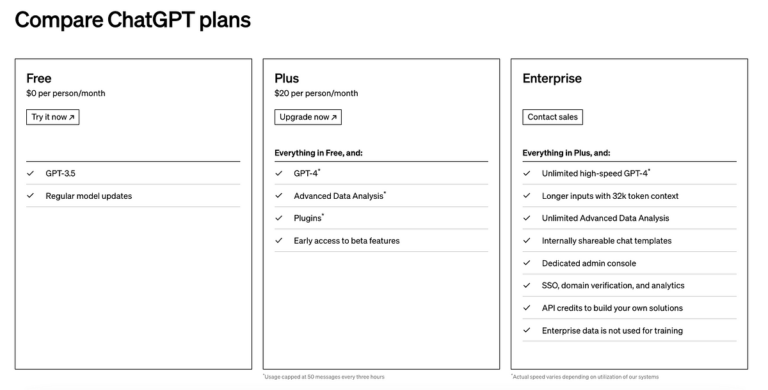
The first step in your plugin development journey is to obtain access to the ChatGPT plugin developer program. Currently, this program is available only to ChatGPT Plus subscribers, and you‘ll need to join the waitlist on the OpenAI website. Once accepted, you‘ll be granted the necessary tools and resources to begin building your plugin.
2. Understanding the Plugin File Structure
The core components of a ChatGPT plugin are the ai-plugin.json file and the openapi.yaml file. The ai-plugin.json file contains all the metadata about your plugin, such as the name, description, and authentication method. The openapi.yaml file, on the other hand, defines the API specification that your plugin will use to communicate with ChatGPT.
3. Designing the Plugin‘s API
With the file structure in place, you can begin designing the API that will power your plugin. This involves defining the endpoints, request/response formats, and any necessary authentication or authorization mechanisms. It‘s crucial to ensure that your API is properly documented and adheres to the OpenAPI specification, as this will facilitate seamless integration with the ChatGPT platform.
4. Implementing the Plugin‘s Backend
The backend for your ChatGPT plugin can be built using a variety of web frameworks and programming languages. Popular choices include Python-based frameworks like Quart or FastAPI, which offer robust features for building scalable and reliable APIs. Your backend will handle the CRUD (Create, Read, Update, Delete) operations for the data or services your plugin provides, ensuring a smooth and responsive user experience.
5. Integrating with ChatGPT
Once your plugin‘s API is ready, you‘ll need to configure the ai-plugin.json file with the necessary metadata, including the plugin‘s name, description, and the URL of the openapi.yaml file. This file serves as the bridge between your plugin and the ChatGPT interface, allowing the language model to seamlessly interact with your offering.
6. Testing and Deployment
Before deploying your plugin, it‘s crucial to thoroughly test it to ensure it‘s functioning as expected. This may involve running integration tests, verifying the plugin‘s behavior within the ChatGPT interface, and addressing any issues that arise. When you‘re satisfied with the results, you can deploy your plugin to a hosting platform and update the ai-plugin.json and openapi.yaml files accordingly, making it available for users to discover and integrate into their ChatGPT workflows.
Mastering the Art of Plugin Development: Advanced Considerations
As you delve deeper into the world of ChatGPT plugin development, you may encounter more complex requirements and considerations that will help you create truly exceptional and robust offerings.
Authentication and Authorization
Depending on the nature of your plugin, you may need to implement robust authentication and authorization mechanisms to ensure secure access to your API. This could involve integrating with third-party identity providers, such as OAuth 2.0, or implementing your own custom authentication flow tailored to your plugin‘s specific use case.
Error Handling and Logging
Effective error handling and logging are crucial for ensuring the reliability and maintainability of your plugin. You‘ll need to implement clear error messages, handle edge cases, and set up comprehensive logging mechanisms to help you troubleshoot and monitor your plugin‘s performance, especially as it scales to serve a growing user base.
Performance and Scalability
As your plugin gains traction and usage, you‘ll need to consider its performance and scalability. This may involve optimizing your API‘s response times, implementing caching strategies, and ensuring your infrastructure can handle the increasing load without compromising the user experience.
Monetization and Revenue Models
While the ChatGPT plugin ecosystem is still in its early stages, there are already opportunities for plugin developers to explore various monetization strategies. This could include offering premium features, integrating with paid services, or exploring revenue-sharing models with OpenAI, allowing you to create sustainable revenue streams and build a thriving business around your AI-powered offering.
Inspiring Case Studies: Successful ChatGPT Plugins in Action
To further illustrate the potential of ChatGPT plugins, let‘s explore a few real-world examples of successful and innovative offerings that have captured the attention of users and the industry alike.
WeatherWizard: Bringing Weather Insights to ChatGPT
One of the early success stories in the ChatGPT plugin ecosystem is the WeatherWizard plugin, developed by a team of passionate AI enthusiasts. This plugin seamlessly integrates with ChatGPT, allowing users to access up-to-date weather information for any location, simply by asking natural language queries. The plugin‘s intuitive design and accurate weather data have made it a go-to tool for users who want to stay informed about the latest weather conditions without leaving the ChatGPT interface.
Productivity Booster: The Todo List Plugin
Another popular plugin in the ChatGPT ecosystem is the Todo List plugin, which enables users to manage their tasks and to-do items directly within the conversational interface. This plugin, which we explored in-depth earlier, demonstrates the power of integrating external functionality with the language model, allowing users to stay organized and productive without having to switch between multiple applications.
Multilingual Assistant: The Language Translator Plugin
As the world becomes increasingly interconnected, the demand for seamless language translation capabilities has grown exponentially. The Language Translator plugin for ChatGPT addresses this need by providing users with the ability to translate text between a wide range of languages, directly within the conversational interface. This plugin has been particularly valuable for professionals, students, and individuals who regularly engage with people from diverse linguistic backgrounds.
Financial Insights: The Stock Advisor Plugin
For users seeking financial insights and investment guidance, the Stock Advisor plugin for ChatGPT has become a valuable resource. This plugin taps into real-time market data and financial analysis to provide users with stock recommendations, portfolio management advice, and even personalized investment strategies. By integrating this functionality with the natural language processing capabilities of ChatGPT, the plugin offers a unique and accessible way for users to stay informed and make informed financial decisions.
These case studies, along with many others, demonstrate the diverse range of use cases and the transformative impact that ChatGPT plugins can have on the way we interact with technology. As the ecosystem continues to evolve, we can expect to see an even wider array of innovative and specialized plugins that cater to the unique needs and preferences of users across various industries and domains.
The Future of ChatGPT Plugins: Trends and Opportunities
As the ChatGPT plugin ecosystem continues to grow and mature, we can expect to see a range of exciting trends and emerging opportunities that will shape the future of conversational AI.
Specialized Vertical-Specific Plugins
One of the key trends we‘re likely to see is the development of specialized plugins that cater to specific industries or verticals. From healthcare and finance to education and e-commerce, plugin developers will leverage the power of ChatGPT to create tailored solutions that address the unique challenges and requirements of these sectors.
Integrations with Productivity Tools
As users become increasingly reliant on ChatGPT for a wide range of tasks, the demand for seamless integration with popular productivity and collaboration tools will continue to rise. We may see the emergence of plugins that connect ChatGPT with platforms like Trello, Asana, or Google Workspace, enabling users to streamline their workflows and boost their overall productivity.
Advanced AI Capabilities
As the underlying language models powering ChatGPT continue to evolve, we can expect to see plugins that leverage more advanced AI capabilities, such as computer vision, multimodal interaction, and real-time data analysis. These plugins will push the boundaries of what‘s possible with conversational AI, unlocking new use cases and delivering even more sophisticated and intelligent experiences.
Monetization and Sustainable Business Models
As the ChatGPT plugin ecosystem matures, we‘ll likely see the emergence of more sophisticated monetization strategies and sustainable business models. This could include the development of premium plugins with advanced features, the integration of paid services, or the exploration of revenue-sharing arrangements with OpenAI, allowing plugin developers to create thriving and profitable ventures around their AI-powered offerings.
Conclusion: Embracing the Future of Conversational AI
The introduction of ChatGPT plugins has ushered in a new era of conversational AI, one that is brimming with endless possibilities and opportunities for innovation. As an AI and LLM expert, I‘m truly excited to witness the transformative impact that these plugins will have on the way we interact with technology, access information, and solve problems.
By developing your own ChatGPT plugins, you have the power to shape the future of this dynamic ecosystem. Whether you‘re a seasoned developer, a budding entrepreneur, or a curious enthusiast, the time is now to dive in, explore the vast potential of this technology, and contribute to the growth and evolution of conversational AI.
So, what are you waiting for? Start your plugin development journey today, and let‘s unlock the full potential of ChatGPT together, one innovative plugin at a time.