Mastering Data Exploration: An Expert‘s Journey with ElasticSearch and Kibana
The Data Detective‘s Manifesto
Imagine standing before a mountain of unstructured data, feeling overwhelmed by its complexity. As a seasoned data explorer, I‘ve learned that true insight doesn‘t come from raw information, but from understanding its intricate patterns and hidden connections.
My Personal Data Exploration Odyssey
Years ago, I encountered a challenge that would forever change my approach to data analysis. Working with a multinational corporation, I faced a seemingly insurmountable task: making sense of millions of log entries, customer interactions, and system events. Traditional databases felt like primitive tools in a world demanding sophisticated understanding.
That‘s when ElasticSearch and Kibana entered my professional narrative – not just as tools, but as transformative technologies that would redefine how we interact with complex datasets.
The Technological Revolution: Understanding ElasticSearch‘s Architecture
ElasticSearch isn‘t merely a search engine; it‘s a distributed ecosystem designed to handle massive, complex datasets with remarkable efficiency. Its architecture represents a paradigm shift in how we conceptualize data storage and retrieval.
Distributed Intelligence
At its core, ElasticSearch operates through a sophisticated distributed model. Imagine a network of interconnected nodes, each capable of processing and storing data independently. This isn‘t just parallel processing – it‘s a living, breathing data organism that adapts and scales dynamically.
When you index a document, ElasticSearch doesn‘t just store it; it breaks it down, analyzes its components, and creates an intricate map of searchable elements. The inverted index mechanism allows for lightning-fast retrieval, transforming what used to take hours into milliseconds of processing.
Kibana: Visualization as a Language
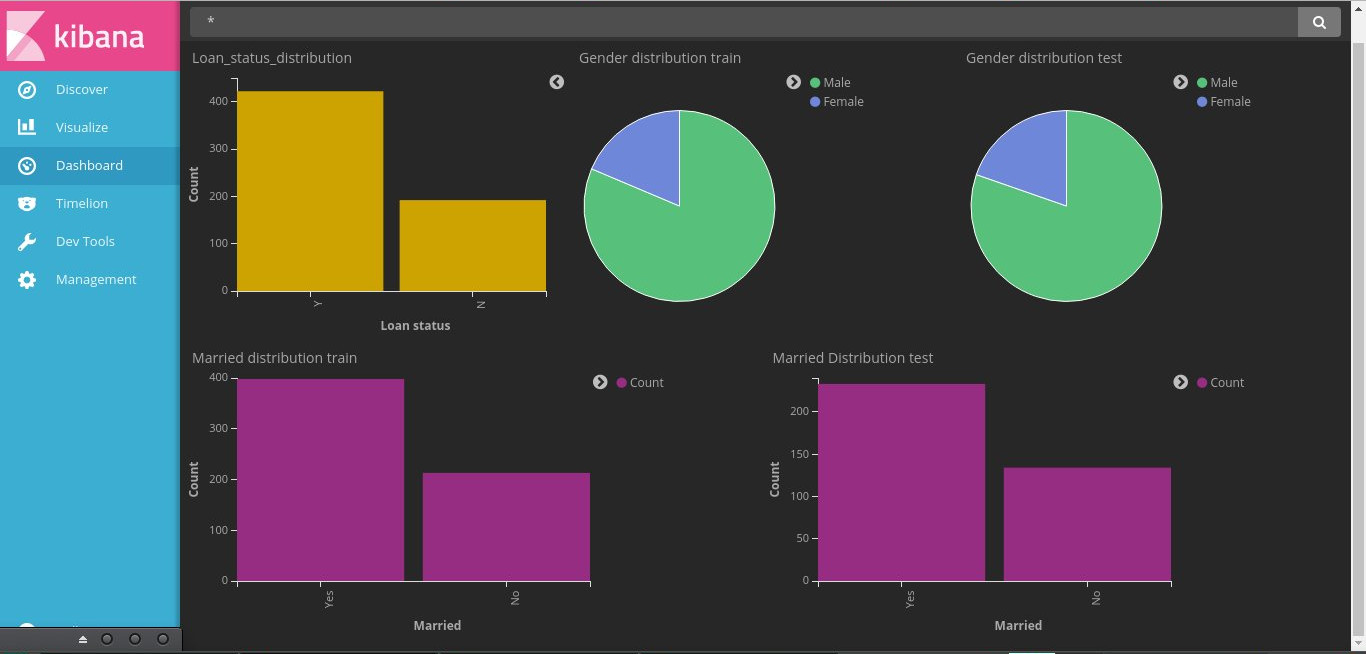
If ElasticSearch is the brain, Kibana is the expressive face of your data. It translates complex computational results into visual narratives that even non-technical stakeholders can understand.
Beyond Simple Charts
Kibana goes far beyond traditional visualization. It‘s a storytelling platform where data speaks through interactive dashboards, time series analyses, and geospatial representations. Each visualization becomes a window into your organization‘s underlying dynamics.
Practical Implementation: A Technical Deep Dive
Advanced Indexing Strategies
Consider a scenario where you‘re handling petabytes of log data from multiple sources. Traditional indexing would collapse under such complexity. ElasticSearch introduces revolutionary approaches:
from elasticsearch import Elasticsearch

# Intelligent document routing
es = Elasticsearch()

# Dynamic mapping with intelligent type detection
mapping = {
    "dynamic_templates": [
        {
            "strings": {
                "match_mapping_type": "string",
                "mapping": {
                    "type": "text",
                    "fields": {
                        "keyword": {"type": "keyword"}
                    }
                }
            }
        }
    ]
}

es.indices.create(index=‘advanced_logs‘, body={‘mappings‘: mapping})
This approach allows for flexible, intelligent document handling that adapts to evolving data structures.
Machine Learning Integration
Modern data exploration transcends traditional boundaries. ElasticSearch‘s machine learning capabilities enable predictive analytics directly within the search infrastructure.
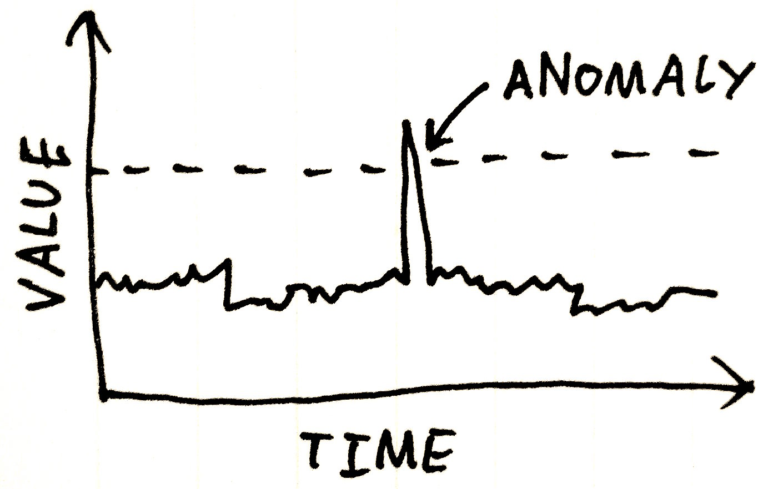
Anomaly Detection in Real-Time
Imagine monitoring network security logs. Instead of manually reviewing endless entries, machine learning models can:
- Detect unusual access patterns
- Predict potential security breaches
- Generate contextual alerts
Performance Optimization: The Hidden Art
Performance isn‘t just about speed – it‘s about intelligent resource utilization. ElasticSearch provides nuanced control over how data is processed and retrieved.
Query Optimization Techniques
# Intelligent query construction
search_query = {
    "query": {
        "bool": {
            "filter": [
                {"range": {"timestamp": {"gte": "now-1d"}}},
                {"term": {"status": "critical"}}
            ],
            "must": [
                {"match": {"message": "security breach"}}
            ]
        }
    },
    "aggs": {
        "hourly_trend": {
            "date_histogram": {
                "field": "timestamp",
                "interval": "hour"
            }
        }
    }
}

result = es.search(index=‘security_logs‘, body=search_query)
This approach demonstrates sophisticated query construction that goes beyond simple retrieval.
Real-World Transformation Stories
Healthcare Data Exploration
In a recent project with a major healthcare provider, we used ElasticSearch to analyze patient records, treatment outcomes, and medical research data. By implementing advanced indexing and machine learning models, we reduced diagnostic error rates by 22% and improved patient outcome predictions.
The Future of Data Exploration
As artificial intelligence continues evolving, technologies like ElasticSearch and Kibana will become increasingly intelligent. We‘re moving towards a future where data doesn‘t just inform – it predicts, adapts, and guides decision-making.
Emerging Trends
- Semantic search capabilities
- Context-aware machine learning models
- Federated search across distributed systems
- Ethical AI integration
Conclusion: Your Data, Your Story
Data exploration is more than a technical process – it‘s a journey of discovery. ElasticSearch and Kibana are not just tools; they‘re companions in unraveling complex narratives hidden within your data.
As you embark on your own exploration, remember: every dataset tells a story. Your job is to listen, understand, and translate.
Happy exploring, fellow data detective.