1957 Dollar Bill Worth: A Numismatic Marvel That Reached $13,200
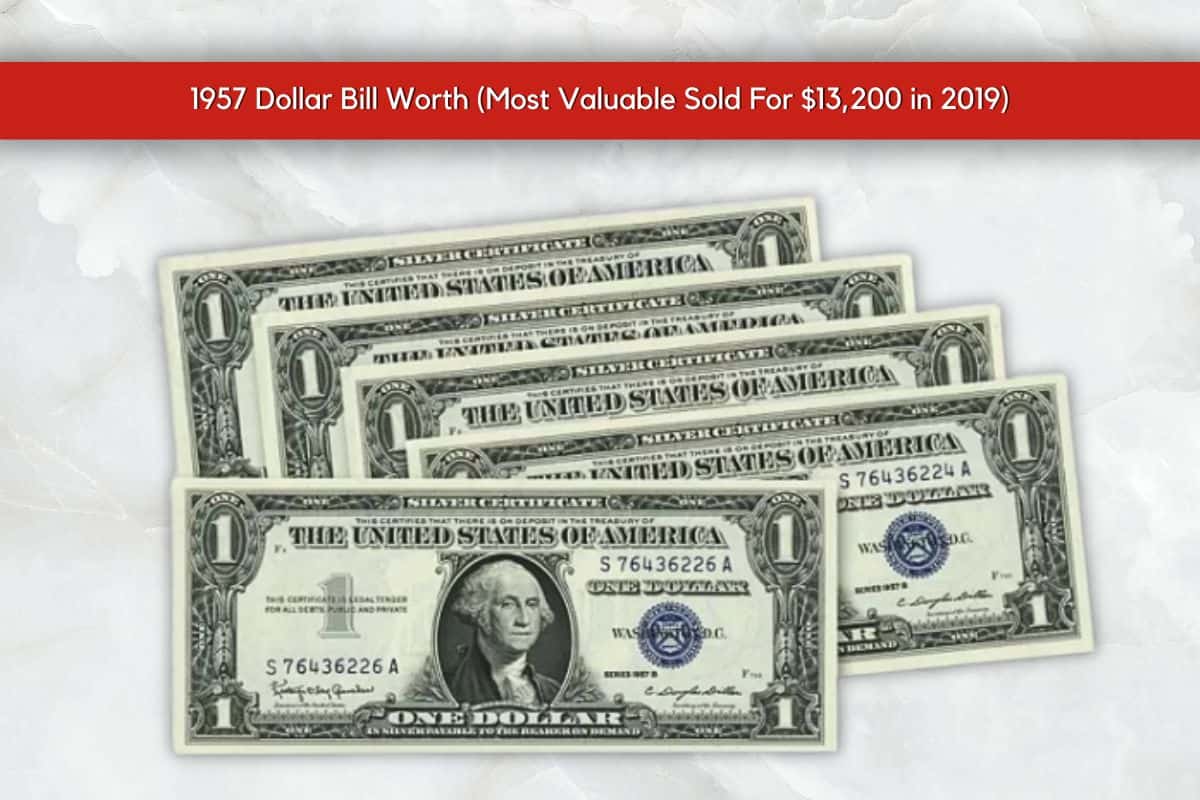
The 1957 dollar bill holds a unique position in American currency history, marking two significant milestones: the first appearance of "In God We Trust" on paper money and the final chapter of silver certificates. As an antique currency specialist with over two decades of experience, I‘ve witnessed these notes transition from everyday circulation to prized collectibles, with some specimens reaching remarkable values of $13,200.
The Historical Turning Point
October 1957 marked a fundamental shift in American currency. The Treasury Department released the first paper money bearing "In God We Trust," transforming a long-standing coin motto into a universal currency inscription. This change reflected the profound cultural shifts of the 1950s, as American society grappled with Cold War tensions and sought to distinguish itself from state atheism.
The 1957 series also represented the swan song of silver certificates in American currency. These notes, which promised silver bullion redemption, had been a cornerstone of U.S. monetary policy since 1886. Their retirement signaled the end of an era in American financial history.
Understanding Market Values
The market for 1957 dollar bills presents a fascinating study in numismatic economics. Most circulated specimens trade for modest sums – typically $2 to $5. However, pristine uncirculated examples in MS-63 condition command $12 to $18, while star notes can reach $20 to $24.
The real value lies in specialized variants. Error notes start at $50 and can exceed $500, while rare combinations of features push prices into four-figure territory. The most valuable specimen, a collection of twenty consecutive mismatched serial number errors, sold for an impressive $13,200 in 2019.
Premium Variants That Command Top Dollar
My years of handling these notes have revealed several characteristics that dramatically increase value. Solid serial numbers rank among the most sought-after variants. The legendary 88888888 specimen sold for $8,700 in 2022, while a 77777777 note achieved $2,040 in 2019.
Low serial numbers represent another premium category. The X00000001A note, which sold for $8,050 in 2005, remains one of the most significant sales in this category. Similar specimens like J00000001A ($6,037) and L00000001A ($5,175) demonstrate the consistent demand for first-number notes.
The Fascinating World of Error Notes
Error notes from 1957 present some of the most intriguing collecting opportunities. The mismatched serial number error, first discovered at Fort Benning, Georgia, in 1963, stands as the most valuable. These notes feature different serial numbers on the same bill – one beginning with "55" and another with "54."
The rarity of these errors increases exponentially when found in consecutive runs. The record-setting collection of twenty consecutive error notes that sold for $13,200 demonstrates the premium collectors place on sequential error specimens.
Authentication: The Science Behind Verification
Authenticating 1957 dollar bills requires meticulous attention to detail. Genuine notes contain red and blue silk fibers embedded within the paper – not printed on the surface. The paper itself measures exactly .0043 inches thick and displays specific ultraviolet fluorescence patterns.
Intaglio printing creates distinct raised ink surfaces, particularly noticeable in portrait details and border designs. Under magnification, genuine notes reveal sharp, clear line work without the fuzzy edges typical of counterfeits.
Investment Potential and Market Trends
The market for 1957 dollar bills shows promising investment characteristics. Premium variants have demonstrated steady appreciation over the past decade, with solid serial numbers and error notes leading the gains. Asian collectors have emerged as significant market participants, particularly for pristine specimens.
Regional variations in pricing create arbitrage opportunities. Northeast markets typically command premium prices, while Midwest venues often offer better values. West Coast sales show particular strength in error notes, reflecting the concentration of specialized collectors in that region.
Collecting Strategies for Success
Building a significant 1957 dollar bill collection requires strategic focus. Start with high-grade circulated specimens to understand condition factors and authentication points. Progress to uncirculated examples, paying particular attention to paper quality and printing characteristics.
Consider specializing in specific variants – star notes, error types, or serial number combinations. This focused approach often yields better returns than general collecting and develops deeper expertise in particular areas.
Conservation and Preservation
Proper conservation proves crucial for maintaining value. Store notes in archival-quality mylar sleeves, avoiding PVC-containing products that can damage paper over time. Maintain stable environmental conditions – 45-55% relative humidity and temperatures between 68-72°F (20-22°C).
Handle notes by their edges, wearing cotton gloves when necessary. Never attempt cleaning or restoration without professional guidance, as improper techniques can permanently damage collectible specimens.
Market Outlook and Future Prospects
The market for 1957 dollar bills continues to evolve. Growing interest in American numismatic history, particularly among international collectors, suggests sustained demand. The finite supply of premium specimens, combined with gradual attrition of circulated notes, points toward steady appreciation potential.
Error notes and premium variants show particular strength, with recent auction results exceeding pre-sale estimates. The emergence of third-party grading services has increased market transparency and buyer confidence, supporting higher prices for certified specimens.
Regional Market Dynamics
Geographic variations in the 1957 dollar bill market create interesting opportunities. Northeast auction houses typically achieve premium prices, particularly for high-grade specimens. Midwest markets often offer better values, especially for circulated notes and common variants.
West Coast venues show particular strength in error notes and premium variants, reflecting the concentration of specialized collectors. Southern markets demonstrate growing sophistication, with increasing participation in national auctions and rising local sale prices.
Authentication Techniques for Collectors
Developing authentication skills requires systematic study. Begin with basic security features – paper texture, printing quality, and security fiber patterns. Progress to more sophisticated analysis using ultraviolet light and magnification.
Pay particular attention to serial number font characteristics, Treasury seal details, and overall print alignment. Compare suspicious specimens against known genuine examples, noting any discrepancies in paper quality or printing precision.
Investment Strategies for Long-term Success
Success in 1957 dollar bill investing requires careful market analysis and strategic positioning. Focus on acquiring the highest quality specimens within your budget range. Consider building complete sets of specific variants, as matched collections often command premium prices.
Document provenance carefully, maintaining records of previous ownership and sale prices. Network with specialized dealers and advanced collectors to stay informed about market trends and emerging opportunities.
The 1957 dollar bill market offers fascinating opportunities for collectors and investors alike. From modest beginning collector pieces to five-figure rarities, these notes provide multiple entry points and growth potential. Success requires careful study, strategic focus, and patient execution – but the rewards can prove substantial for dedicated participants.
Remember, while common specimens remain affordable, premium variants continue setting new price records. Whether you‘re starting your collecting journey or expanding an established portfolio, the 1957 dollar bill market offers compelling opportunities for numismatic appreciation and potential financial returns.