2009 Penny Errors: Are Commemorative Cents Valuable Collectible?
When examining modern American numismatics, few issues capture both historical significance and collecting interest quite like the 2009 Lincoln Commemorative cents. As an antique coin specialist with over two decades of experience, I‘ve watched these pieces transition from circulation curiosities to serious collecting targets, particularly when discussing their fascinating error varieties.
The Birth of the 2009 Lincoln Bicentennial Program
The story begins well before 2009, when the United States Mint conceived an ambitious program to honor the bicentennial of Abraham Lincoln‘s birth. This wasn‘t merely another commemorative release – it represented the first major design change to the Lincoln cent since Frank Gasparro‘s Memorial reverse of 1959.
The Mint‘s decision to create four distinct reverse designs marked a revolutionary departure from traditional cent production. Each design would chronicle a different period of Lincoln‘s life, creating what would become one of the most extensive commemorative cent programs in American numismatic history.
Understanding the Four Designs
The Birth and Early Childhood design depicts Lincoln‘s humble beginnings in Kentucky. The log cabin portrayed isn‘t merely symbolic – it‘s based on historical records and archaeological evidence from Lincoln‘s birthplace. The detailed rendering of individual logs and architectural elements would later prove crucial in identifying specific error varieties.
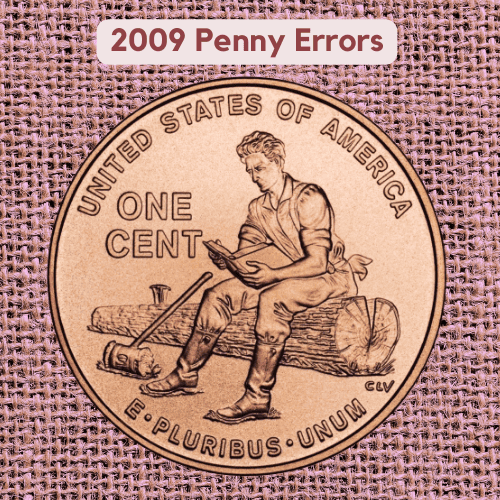
Moving to the Formative Years design, we see young Lincoln reading during a break from rail splitting in Indiana. This design proves particularly interesting from an error perspective, as its complex composition created numerous opportunities for die varieties and striking errors.
The Professional Life design showcases Lincoln as an Illinois lawyer, standing before the Old State Capitol in Springfield. The architectural details of this design, particularly the windows and columns, become important markers for identifying valuable error varieties.
The final Presidency design, featuring the unfinished Capitol dome, carries deep symbolism of a nation under construction during the Civil War. Its intricate architectural details make it particularly susceptible to striking anomalies and die errors.
Major Error Categories and Their Market Impact
Doubled Die Errors
The most significant errors in the 2009 series involve doubled die varieties. The Kentucky Log Cabin reverse shows pronounced doubling on log ends, particularly visible on the structure‘s left corner. Recent auction results show these trading between [$250] and [$1,200] depending on grade and doubling severity.
The Indiana design‘s doubled thumb variety remains the series‘ most valuable error, with recent sales reaching [$850] for MS-65 Red examples. This error shows clear separation of the thumb image, creating what appears to be an extra digit.
Strike Errors
Off-center strikes occur across all four designs but prove most valuable on the Professional Life and Presidency versions. A dramatic 20% off-center Professional Life cent reached [$2,200] at a 2023 Heritage auction, demonstrating strong market interest in major striking errors.
Die Cracks and Cuds
Late-state die cracks appear most frequently on the Presidency design, likely due to the complex Capitol dome detail. Major die cuds, particularly those affecting the building‘s architectural elements, can command [$300-$500] in high grades.
Authentication Challenges
Authenticating 2009 cent errors requires particular attention to die characteristics and strike qualities. When examining potential error coins, consider:
Die Stage Analysis
Early die state examples show sharp detail and complete design elements. Progressive die wear creates specific patterns that help authenticate genuine pieces. Understanding these progression patterns proves crucial for proper attribution.
Surface Texture Examination
Genuine strike errors display specific metal flow patterns that can‘t be artificially reproduced. Under 20x magnification, authentic errors show consistent metal displacement characteristics.
Regional Market Variations
The market for 2009 cent errors shows interesting geographic patterns. Northeast collectors typically focus on highest-grade examples, while Midwestern collectors show particular interest in Professional Life varieties, perhaps due to the Illinois connection.
West Coast markets demonstrate stronger interest in proof errors, with recent San Francisco Mint error proofs commanding significant premiums. Southern markets show balanced demand across all four designs.
Investment Considerations
Current Market Dynamics
Recent market data indicates steady appreciation for certified major errors:
- MS-67 Red Doubled Die varieties: [$1,500-$3,000]
- MS-65 Red Strike errors: [$400-$1,200]
- MS-63 Red Die cracks/cuds: [$150-$400]
Long-term Potential
Historical commemorative issues typically appreciate steadily over time. The 2009 cents benefit from multiple collecting angles – Lincoln enthusiasm, error collecting, and commemorative interest.
Conservation and Preservation
Proper storage remains crucial for maintaining value. Store specimens in inert materials, maintaining stable temperature and humidity levels. Handle coins only by their edges, using cotton gloves for high-grade pieces.
Building a Specialized Collection
Focus collection development on specific error types or design varieties. Document acquisition dates, sources, and certification numbers. Maintain detailed condition reports and photographs.
Authentication Methods
Professional certification proves increasingly important as values rise. PCGS and NGC both offer specific attributions for major 2009 cent varieties. Third-party certification helps establish authenticity and grade consensus.
Market Outlook and Future Considerations
The 2009 Lincoln cent errors represent a fascinating subset of modern numismatics. Their historical significance, combined with documented rarity of certain varieties, suggests continued collector interest.
Current market trends indicate growing appreciation for major authenticated errors, particularly those affecting the series‘ most popular designs. As the population of pristine examples naturally declines through handling and environmental exposure, premium-quality pieces should continue appreciating.
Collecting Recommendations
For those entering this specialized field:
- Study authentication points thoroughly before making major purchases
- Focus on certified examples for significant acquisitions
- Document all purchases with detailed photographs
- Maintain proper storage conditions
- Build relationships with specialized dealers
Conclusion
The 2009 Lincoln cent errors offer both historical significance and genuine collecting opportunity. Success requires careful study, proper authentication, and strategic acquisition. As these pieces age and their historical importance grows, well-preserved examples should continue attracting serious collector interest.
Whether pursuing a complete error set or focusing on specific varieties, these commemorative cents represent an important chapter in American numismatic history. Their combination of historical significance and genuine rarity makes them worthy additions to any serious collection.