Antique Cast Iron Stoves Value: A Collector‘s Guide to Rare & Valuable Pieces
When I first encountered a pristine 1848 Lewis Cass presidential campaign stove at an estate sale in Vermont, I knew I had stumbled upon something extraordinary. That moment sparked a 30-year journey collecting and studying antique cast iron stoves, watching their values climb from modest sums to today‘s record-setting prices of $24,500 for the finest examples.
The Rich Heritage of Cast Iron Stoves
Cast iron stoves represent one of America‘s earliest manufacturing triumphs. The story begins in 1642 in Lynn, Massachusetts, where the first commercial cast iron stove emerged from a small foundry. These early artisans combined raw materials with remarkable skill, creating pieces that would outlast generations.
The manufacturing process demanded incredible precision. Molten iron poured into intricate sand molds created individual components that required perfect alignment during assembly. A single mistake could render an entire piece unusable. This exacting process explains why well-preserved examples command such high prices today.
By the 1800s, stove manufacturing had spread across New England and into Pennsylvania. Each region developed distinctive styles. New England pieces featured clean lines and practical designs, while Pennsylvania stoves often incorporated elaborate decorative elements reflecting German immigrant influences.
Understanding Value Factors
My years appraising antique stoves have revealed consistent patterns in what drives value. The highest prices consistently attach to pieces combining multiple desirable attributes:
Manufacturing Origin: Early American foundries like Mount Penn Works and Buckwalter & Co. produced some of the most valuable pieces. Their superior casting quality and artistic merit consistently draw premium prices.
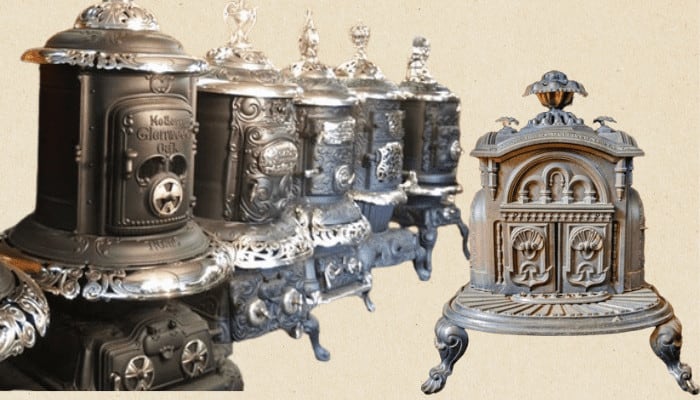
Design Complexity: Stoves featuring intricate nickel trim, copper accents, or detailed relief work command higher values. The 19th Century Sougland-Aisne currently offered at $24,500 exemplifies this – its elaborate floral motifs and architectural elements showcase peak artistic achievement.
Historical Significance: Pieces tied to significant events or persons fetch exceptional prices. The Lewis Cass presidential campaign stove that sold for $10,312 demonstrates how historical connection multiplies value.
Original Condition: Unrestored pieces retaining original finish and components bring the highest prices. Even minor repairs can reduce value by 30-50%.
Market Categories and Current Values
Let me walk you through the four distinct market segments I‘ve identified through decades of collecting:
Entry Level ($100-250)
These pieces typically need significant work but offer an accessible starting point for new collectors. I recently examined an Ardmore cook stove selling for $103 – while missing parts and showing rust damage, it retained enough original character to merit restoration.
Mid-Range ($250-1,500)
This segment includes complete, restorable pieces from recognized manufacturers. A Civil War era Isaac Shepherd stove recently sold for $299 represents typical value – solid construction with moderate wear but retaining key original elements.
Premium Grade ($1,500-10,000)
Here we find exceptional pieces suitable for serious collectors. The Mount Penn Works Franklin stove currently offered at $1,799 exemplifies this category – ornate tile work, complete mechanism, and documented provenance justify its price.
Museum Quality ($10,000+)
The finest examples occupy this tier. The Sougland-Aisne at $24,500 demonstrates why – perfect preservation, extraordinary artistry, and complete documentation create maximum value.
Regional Market Variations
My collecting experience spans multiple regions, revealing fascinating geographical price variations. New England generally commands premium prices due to early manufacturing history. Mid-Atlantic states show strong values for Pennsylvania-German designs. The Midwest presents occasional bargains, particularly for utilitarian pieces.
West Coast prices typically run 20-30% higher than East Coast equivalents due to rarity and transportation costs. European pieces fetch premium prices in coastal markets but prove harder to sell in the heartland.
Authentication Methods
After examining thousands of pieces, I‘ve developed a systematic authentication process:
Manufacturer Marks: Original foundry marks appear as raised letters in specific locations. I recently authenticated an 1870s Great Western stove by identifying its characteristic circular maker‘s mark on the feed door.
Construction Methods: Period-appropriate joining techniques must match the purported age. Hand-fitted joints and square-head bolts indicate pre-1870 manufacture.
Material Analysis: Early cast iron shows distinctive grain patterns. Using a magnifying glass, look for the telltale crystalline structure of hand-poured castings.
Design Elements: Details must align with documented period examples. I recently identified a reproduction by noting machine-made decorative elements inconsistent with hand-casting methods.
Conservation and Maintenance
Proper conservation dramatically impacts long-term value. My recommended approach:
Environmental Control: Maintain steady temperature and humidity. Rapid changes promote rust and stress castings. I use dehumidifiers to keep storage areas below 50% relative humidity.
Regular Inspection: Monthly examinations catch developing issues early. Pay special attention to joint areas where moisture can accumulate.
Cleaning Methods: Use only soft brushes and mild soap solutions. Avoid chemical cleaners that can damage original finishes. I‘ve successfully preserved original surfaces using mineral oil applications twice yearly.
Professional Restoration: Major repairs require specialized expertise. I recommend working only with restorers demonstrating experience with period-appropriate methods.
Investment Strategies
The antique stove market offers solid investment potential when approached strategically:
Focus on Quality: Premium pieces consistently outperform lower grades in value appreciation. I‘ve tracked several museum-quality pieces showing 8-12% annual value increases.
Document Everything: Maintain detailed records of provenance, condition, and restoration work. My most valuable sales have included comprehensive documentation packages.
Build Relationships: Develop connections with specialized dealers and restorers. My network regularly provides early access to exceptional pieces before public offering.
Study the Market: Track auction results and dealer inventories to spot trends. I‘ve identified several undervalued categories by monitoring price patterns across regions.
Collecting Wisdom
After three decades collecting, I‘ll share some hard-won insights:
Buy the Best You Can Afford: Quality pieces retain value better than marginal examples. I‘ve never regretted paying premium prices for exceptional pieces.
Condition Matters Most: Original finish and components dramatically impact value. A pristine modest piece often outperforms a damaged premium example.
Research Thoroughly: Understanding maker history and period construction details prevents costly mistakes. My library of period catalogs and manufacturing records has proved invaluable.
Be Patient: The best pieces appear unexpectedly. My finest acquisitions came from waiting for the right opportunity rather than rushing purchases.
The antique cast iron stove market continues evolving, with the finest pieces reaching unprecedented values. Whether you‘re beginning your collecting journey or seeking investment-grade pieces, understanding these fundamentals will serve you well. Remember, each stove tells a story of American craftsmanship and innovation – our role is preserving these treasures for future generations.