Antique Crosscut Saws: A History and Guide to Buying Them
The morning sun glints off a carefully preserved steel blade hanging in my study – a pristine 1876 Disston No. 7 crosscut saw that sparked my journey into collecting these remarkable pieces of American industrial heritage. As an antique tool collector and appraiser with over 25 years of experience, I‘ve witnessed these implements transform from practical woodworking tools into sought-after artifacts that tell the story of American craftsmanship and innovation.
The Evolution of the Crosscut Saw
The history of crosscut saws stretches back to the 15th century, when European craftsmen first developed specialized tooth patterns for cutting across wood grain. However, the true golden age of crosscut saw manufacturing emerged in 19th century America, driven by the demands of westward expansion and the booming lumber industry.
The earliest American sawmakers worked as individual craftsmen, hammering out blades by hand and developing their own tooth patterns through trial and error. This changed dramatically in 1840 when Henry Disston established his saw manufacturing company in Philadelphia. Disston revolutionized the industry by introducing steam-powered rolling mills and standardized manufacturing processes.
By 1876, Disston‘s factory occupied 40 acres and produced over 100,000 saws annually. Other major manufacturers like Simonds, Atkins, and Bishop soon followed, creating fierce competition that drove rapid innovation in metallurgy and design. This period saw the introduction of specialized steel alloys, refined tooth geometries, and ergonomic handle designs that marked the peak of crosscut saw development.
Understanding Saw Types and Designs
When examining antique crosscut saws, we must first understand the distinct categories that emerged during their development. The most basic division lies between one-man and two-man saws, but the variations within these categories reveal much about their historical use and value.
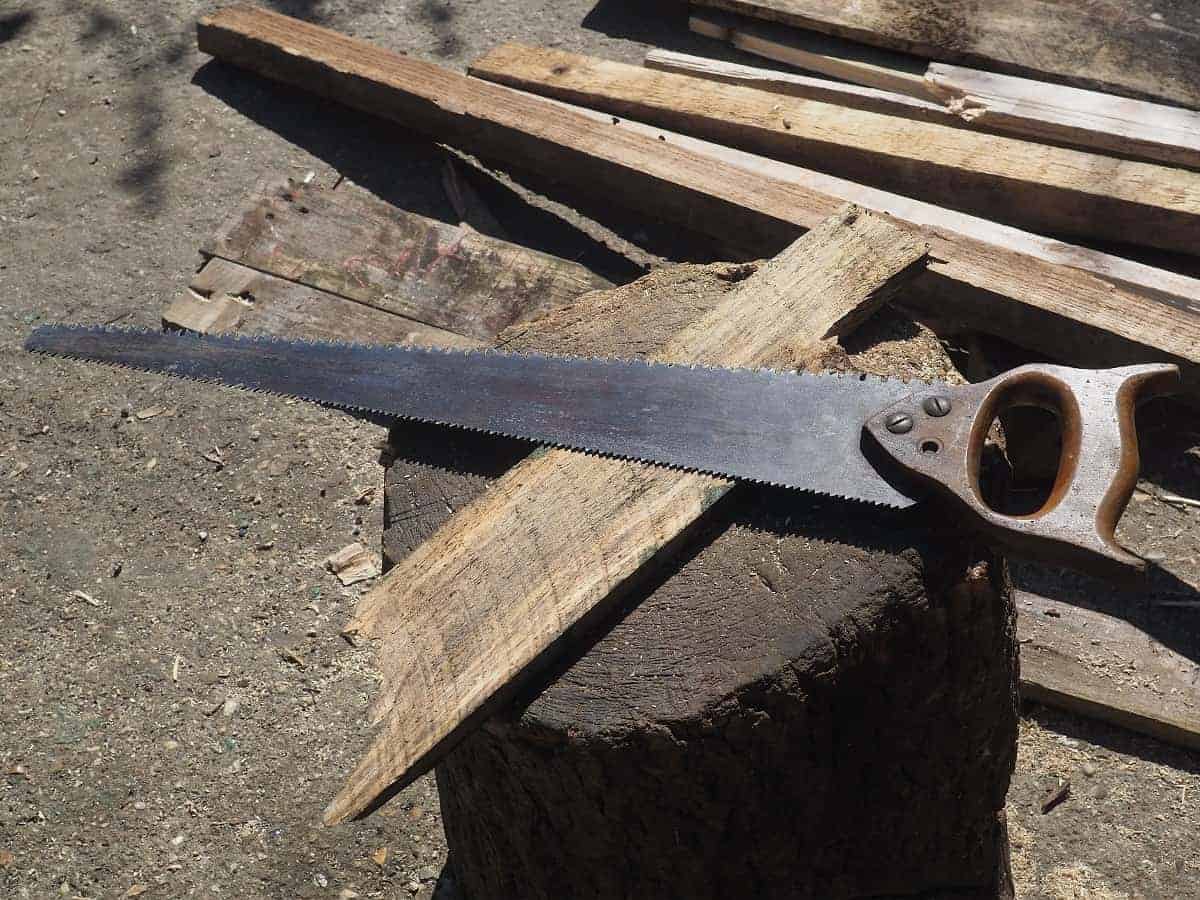
One-man crosscut saws typically range from three to six feet in length. These were the workhorses of individual craftsmen, used for general woodworking and small-scale logging operations. The most common pattern featured a distinctive D-shaped handle and a blade that tapered from toe to heel. This design allowed for smooth cutting while maintaining rigidity.
Two-man saws, ranging from five to twelve feet in length, represented the pinnacle of logging technology before the advent of power tools. These massive implements required incredible skill to manufacture, with precise tooth spacing and careful tapering to prevent binding in large timber. The most valuable examples come from specialized makers like Pacific Coast Pattern or Prince Albert design.
Regional variations tell fascinating stories about local logging practices. Pacific Northwest saws often featured more aggressive tooth patterns suited to the region‘s massive Douglas firs, while Eastern models typically displayed finer teeth appropriate for hardwoods. Understanding these regional characteristics proves essential for accurate authentication and valuation.
Authentication Methods and Dating Techniques
Determining the authenticity and age of an antique crosscut saw requires careful examination of multiple factors. The manufacturer‘s medallion offers the most immediate clue, with specific designs corresponding to different production periods. For instance, Disston saws feature distinct medallion changes:
1840-1865: Plain eagle design
1865-1871: Eagle with shield
1871-1888: Keystone with "Henry Disston & Son"
1888-1917: Keystone with "Henry Disston & Sons"
Handle construction provides another crucial dating element. Early handles (pre-1875) typically show simple, functional designs with minimal ornamentation. The Victorian era (1875-1900) brought elaborate carved patterns and exotic hardwoods. By 1900, handles standardized toward ergonomic designs emphasizing utility over decoration.
Metallurgical analysis can offer definitive dating evidence. Early saws used hammer-forged steel, identifiable by its irregular grain structure. Cast steel became standard after 1850, showing more uniform composition. Post-1900 saws typically feature high-carbon steel with consistent metallurgical properties.
Market Analysis and Investment Potential
The current market for antique crosscut saws shows remarkable strength, with prices increasing steadily over the past decade. Museum-quality pieces from major manufacturers have appreciated approximately 15% annually since 2020, while working antiques show 8% annual growth.
Regional markets display distinct characteristics affecting values. Northeast collectors typically pay premium prices for logging saws, particularly those with documented use in Maine or New Hampshire timber operations. Pacific Northwest buyers focus heavily on felling saws, with exceptional examples commanding prices above [1200] dollars. The Southeast market generally emphasizes smaller saws, with corresponding lower price points but steady demand.
Investment-grade saws require several key attributes:
- Original handle with minimal repair
- Complete, unmodified tooth pattern
- Clear manufacturer‘s marks
- Documented provenance
- Period-appropriate construction details
Conservation and Preservation
Proper conservation proves essential for maintaining both value and historical integrity. Temperature and humidity control rank as primary concerns, with ideal conditions ranging between 60-70°F and 45-55% relative humidity. Store saws horizontally or at a slight angle to prevent blade warping.
Regular maintenance follows a specific schedule:
Monthly inspection for rust or corrosion
Quarterly application of light oil to prevent oxidation
Annual deep cleaning using appropriate conservation methods
Bi-annual professional assessment for valuable pieces
Building a Collection
Starting a meaningful collection requires strategic planning and knowledge development. Begin with common models from major manufacturers, learning to identify authentic pieces and understand market values. Build relationships with reputable dealers and join collector organizations for access to private sales and expert knowledge.
Advanced collectors should focus on specific periods or manufacturers, developing deep expertise in narrow areas. This specialization often leads to discovering rare variations and understanding subtle details that affect value. Consider developing basic restoration skills while maintaining respect for original features.
Investment Strategies
Successful investment in antique crosscut saws requires a balanced approach combining knowledge, patience, and market awareness. Focus on acquiring the highest quality examples within your budget rather than accumulating numerous lesser pieces. Document everything, including purchase price, condition reports, and restoration work.
Current market trends suggest particular strength in:
- Pre-1900 Disston saws with original handles
- Pacific Coast pattern felling saws
- Documented logging camp examples
- Specialized tooth patterns
- Complete sets with original cases
Regional Market Variations
Understanding regional market differences proves crucial for both collectors and investors. New England values reflect the area‘s rich logging heritage, with premium prices for saws used in historic timber operations. West Coast collectors emphasize working tools, particularly those suited to old-growth forest harvesting. Southern markets show growing interest in smaller general-purpose saws, reflecting the region‘s different forestry practices.
Authentication Case Studies
Consider a recent authentication challenge involving an alleged 1860s Disston falling saw. Initial examination showed appropriate handle style and medallion design. However, closer inspection revealed inconsistent tooth spacing and modern steel composition, indicating a reproduction using original parts. This exemplifies the importance of comprehensive authentication procedures.
Future Market Outlook
The antique crosscut saw market shows strong potential through 2025 and beyond. Growing interest in traditional crafts, combined with decreasing supply of quality pieces, suggests continued price appreciation. International buyers, particularly from Japan and Northern Europe, increasingly compete for premium examples.
Conclusion
Collecting antique crosscut saws offers both historical appreciation and investment potential. Success requires developing expertise, building strong relationships within the collecting community, and maintaining high standards for acquisition and conservation. Whether pursuing these remarkable tools for their historical significance or investment value, understanding their rich heritage and proper authentication methods proves essential.
Remember, each saw tells a story of American industrial development and the skilled craftsmen who built our nation. By preserving these tools, we maintain a tangible connection to this important historical legacy.