The 1928 $2 Bill Value: How Much Is it Worth Today?
The gentle rustle of aged paper currency tells a story that spans nearly a century. When you hold a 1928 $2 bill, you‘re not just handling money – you‘re touching a piece of American financial history that has grown increasingly valuable with time. As an antique currency specialist who has examined thousands of these notes over three decades, I‘m fascinated by how these bills have transformed from everyday currency into prized collectibles.
The Historical Significance of 1928 Currency Reform
The year 1928 marked a revolutionary change in American currency. The Treasury Department implemented a dramatic size reduction in all paper money, moving from the larger "horseblanket" notes to the smaller size we know today. This transition wasn‘t merely cosmetic – it represented a significant modernization of U.S. currency, saving millions in production costs and making transactions more efficient.
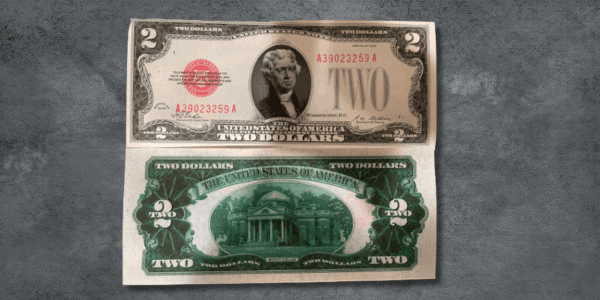
The 1928 $2 bill emerged during this pivotal transition, featuring Thomas Jefferson‘s portrait and his beloved Monticello estate. What makes these bills particularly distinctive is their bright red Treasury seal, positioned on the left side – a placement that would later shift to the right in 1953.
Understanding Series Varieties and Their Values
The 1928 series includes eight distinct varieties, each with unique characteristics that affect their market value. Let‘s examine each variety in detail:
Base 1928 Series (No Letter)
The original 1928 series represents the first small-size $2 bills. These notes typically range from [$12] in circulated condition to [$185] for pristine specimens. The distinctive features include crisp printing and precise alignment of serial numbers.
1928A Series
Released shortly after the original series, the 1928A introduced subtle changes in the printing process. Current market values range from [$60] to [$380], with well-preserved specimens commanding premium prices.
1928B Series – The Crown Jewel
The 1928B series stands as the most sought-after variety. Printed in limited quantities during 1932-1933, these notes can fetch [$250] to [$1,000] in standard versions. Star note variants of the 1928B have sold for over [$20,000] at recent auctions.
1928C Through 1928G Series
Each subsequent series introduced minor modifications:
- 1928C: Values range from [$30] to [$125]
- 1928D: Typically worth [$15] to [$80]
- 1928E: Commands [$22] to [$150]
- 1928F: Values similar to 1928D
- 1928G: The most common variety, valued [$15] to [$80]
Authentication: Separating Genuine Notes from Reproductions
Authentication requires careful examination of multiple elements:
Paper Composition
Genuine 1928 $2 bills use distinctive paper with red and blue silk fibers embedded throughout. The paper thickness measures exactly 0.0043 inches – a specification that counterfeiters rarely match perfectly.
Printing Characteristics
The portrait of Jefferson should display clear line separation and precise detail, particularly in the hair and clothing. The background consists of intricate geometric patterns that should appear sharp and well-defined under magnification.
Serial Number Analysis
Serial numbers tell us much about a note‘s authenticity and variety:
- Font consistency across all digits
- Proper spacing between numbers
- Correct letter prefixes for each series
- Proper alignment with margins
Market Values and Condition Grades
The condition of a 1928 $2 bill dramatically impacts its value. Here‘s a detailed breakdown:
Poor to Fair Condition (P-1 to F-12)
Notes showing significant wear, tears, or staining typically sell for [$3] to [$15]. These represent entry-level collecting opportunities but rarely appreciate significantly.
Very Fine to Extremely Fine (VF-20 to EF-40)
Bills with moderate to light wear command [$30] to [$120]. These grades offer the best value for collectors, balancing condition and price.
About Uncirculated to Mint State (AU-50 to MS-67)
Premium-grade notes range from [$150] to several thousand dollars. Recent auction results show MS-63 examples selling for [$300] to [$500].
Regional Market Variations and Collecting Opportunities
The market for 1928 $2 bills shows interesting geographic patterns:
Northeast Region
New England and Mid-Atlantic states typically see higher prices, particularly for better-grade specimens. The concentration of historical collectors and established auction houses drives this premium market.
Southern States
Confederate state locations often yield interesting finds, as many families preserved old currency through generations. Values tend to be moderate, with strong interest in star notes.
Western Markets
California and Pacific Northwest collectors often focus on high-grade examples. International buyers, particularly from Asia, influence this market segment significantly.
Investment Strategy and Market Outlook
When considering 1928 $2 bills as investments, several factors merit attention:
Current Market Trends
Recent auction data shows steady appreciation, particularly for high-grade examples and star notes. The market has seen a 15-20% increase in values over the past five years for premium specimens.
Population Reports
Professional grading services report declining submissions of high-grade examples, suggesting increasing scarcity. This trend supports long-term value appreciation.
Collector Demographics
A growing interest among younger collectors, particularly in Asian markets, suggests expanding demand for premium examples.
Preservation and Conservation
Proper preservation ensures long-term value retention:
Environmental Controls
Maintain stable conditions:
- Temperature between 65-70°F
- Relative humidity at 30-40%
- Protection from direct light
- Air filtration to remove pollutants
Storage Solutions
Professional conservation methods include:
- Mylar currency holders
- Acid-free paper sleeves
- Museum-grade storage albums
- Climate-controlled storage units
Building a Notable Collection
For serious collectors, I recommend focusing on:
Quality Over Quantity
Invest in fewer, higher-quality specimens rather than accumulating lower-grade examples. One pristine 1928B star note often appreciates more than dozens of circulated common notes.
Documentation and Provenance
Maintain detailed records of:
- Purchase history
- Condition reports
- Authentication certificates
- Previous ownership chain
Market Monitoring
Stay informed through:
- Auction results databases
- Professional grading service reports
- Dealer networks
- Collector communities
Authentication Resources and Expert Services
When seeking verification, consider:
Professional Grading Services
- PCGS Currency
- PMG
- CGAS
Documentation Requirements
Submit notes with:
- High-resolution photographs
- Known history
- Previous grading information
- Insurance documentation
Future Market Projections
The market for 1928 $2 bills shows promising growth potential:
Short-term Outlook (1-5 years)
Expect continued appreciation for high-grade examples and rare varieties, with particular strength in star notes and mule bills.
Long-term Prospects (5-10 years)
Demographics suggest expanding collector interest, while fixed supply ensures scarcity-driven value appreciation.
Final Thoughts
The 1928 $2 bill represents more than just currency – it embodies a crucial transition in American monetary history. Whether you‘re a seasoned collector or just beginning your numismatic journey, these notes offer fascinating opportunities for both collecting enjoyment and potential investment returns. Focus on authenticity, condition, and proper preservation, and you‘ll find these historical treasures can provide both personal satisfaction and financial reward.
Remember, each 1928 $2 bill tells its own story, and understanding that story – from its printing variations to its journey through time – makes collecting these notes a uniquely rewarding experience. As market awareness grows and supplies naturally diminish, these pieces of American history will likely continue to appreciate in both historical significance and monetary value.