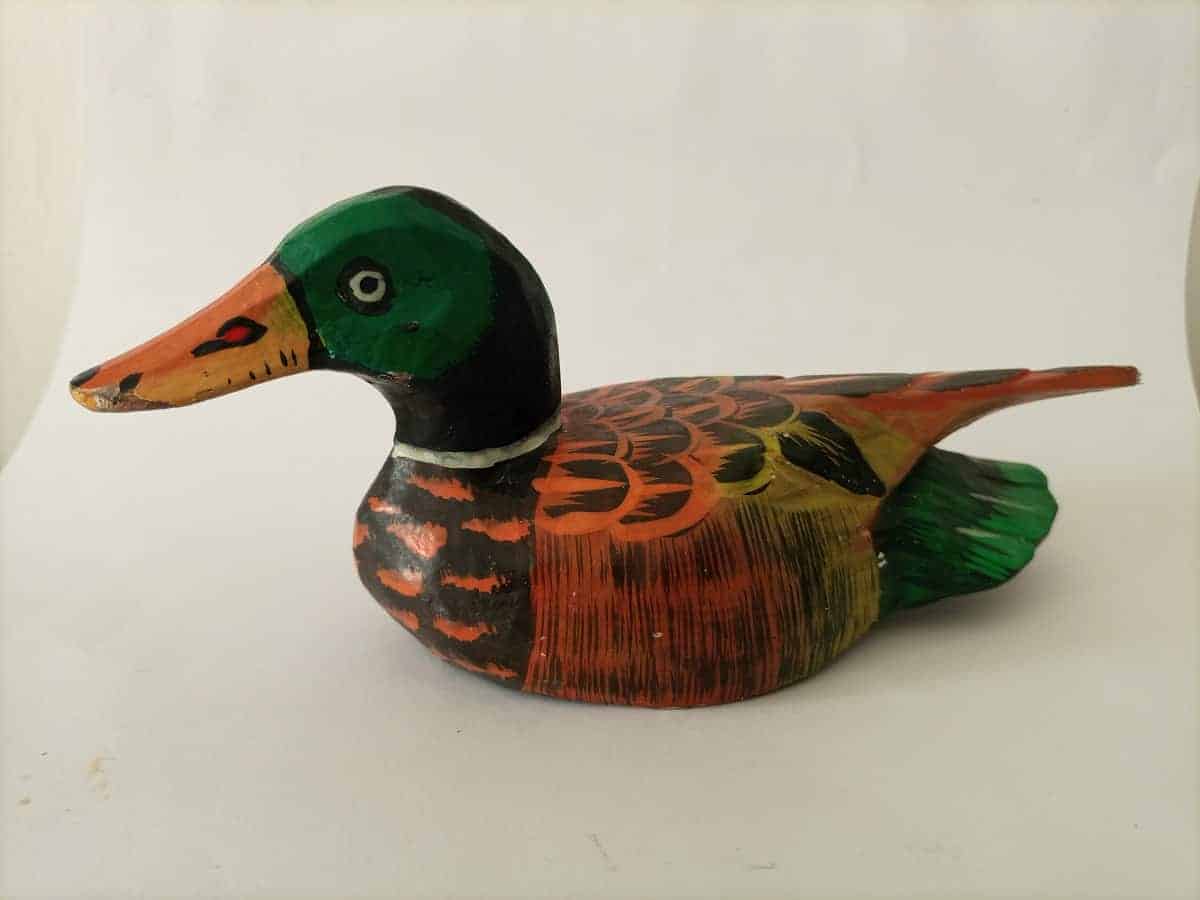
Antique Duck Decoy: A Collector‘s Guide To Identification And Evaluation
The gentle curves of hand-carved wood, weather-worn paint telling stories of countless hunts, and the unmistakable patina of age – these are the hallmarks of antique duck decoys that have captured the imagination of collectors worldwide. As both functional hunting tools and remarkable folk art pieces, these carved waterfowl represent a uniquely American art form worthy of serious collecting consideration.
The Rich Heritage of Duck Decoys
The story of duck decoys in North America begins long before European settlement. Native American hunters crafted simple yet effective decoys from bundled reeds and natural materials, demonstrating an intimate understanding of waterfowl behavior. When European settlers arrived, they quickly adopted and adapted these hunting techniques, leading to the development of wooden decoys that would define American waterfowling for centuries to come.
By the mid-1800s, market hunting drove massive demand for decoys, spawning both commercial production and individual carvers who developed distinctive regional styles. The Mason Decoy Company emerged as the first major commercial producer in 1896, setting standards for quality and design that influence collectors today. Individual carvers like Elmer Crowell and the Ward brothers created masterpieces that now command prices exceeding half a million dollars.
Understanding Value Drivers
The valuation of antique duck decoys involves multiple interconnected factors that serious collectors must understand. Original paint condition stands as perhaps the single most important value driver. A decoy retaining 80% or more of its original paint may be worth 5-10 times more than an identical piece that has been repainted, even if done skillfully.
Maker attribution plays an equally crucial role. Works by recognized masters like Charles Perdew or Nathan Cobb Jr. consistently command premium prices. However, attribution must be rock-solid – a questionable connection to a major maker can significantly impact value. Documentation of provenance, including bills of sale, collection histories, and period photographs, provides vital support for attribution claims.
Regional styles and historical significance factor heavily into valuations. Decoys from the Chesapeake Bay region, with their distinctive round bottoms and solid construction, represent an important waterfowling tradition. Similarly, Illinois River carvers developed their own sophisticated style featuring hollow bodies and detailed paint patterns. Understanding these regional characteristics helps collectors identify valuable pieces and detect potential misattributions.
Authentication Methods and Techniques
Proper authentication requires a systematic approach combining physical examination, historical research, and scientific analysis when warranted. Begin with careful study of construction methods – period-appropriate tools leave distinctive marks that modern reproductions struggle to replicate. Look for correct wood species; Eastern white cedar dominated in New England, while cork saw widespread use in the Great Lakes region.
Paint analysis provides crucial authentication evidence. Period correct pigments show distinctive aging patterns and chemical compositions. Using microscopy and UV light examination reveals paint layers and helps identify repairs or restoration. Original paint typically shows consistent age-related cracking patterns that fraudulent pieces cannot accurately reproduce.
Hardware and fittings must align with historical practices. Lead weights should show appropriate aging, while iron nails and tacks must display correct period manufacturing characteristics. Modern fasteners or inappropriate materials raise immediate red flags for experienced collectors.
Regional Styles and Makers
The geography of American waterfowling produced distinctive regional carving traditions that serious collectors must understand. New England carvers, particularly those from Massachusetts and Maine, developed sophisticated techniques producing anatomically accurate birds with refined paint patterns. The Crowell family of Cape Cod exemplified this approach, creating decoys that combined artistic merit with hunting functionality.
The Illinois River school, centered around Peoria and Henry, developed their own sophisticated style. Carvers like Charles Perdew and Robert Elliston produced hollow-bodied decoys with graceful lines and detailed paint work. These pieces often featured carefully carved head turns and raised wing patterns that set them apart from other regional styles.
Chesapeake Bay carvers responded to different hunting conditions with distinctive designs. Their solid-bodied decoys featured round bottoms that rode rough waters well. While paint schemes remained simpler than New England examples, the best Chesapeake carvers achieved remarkable artistic effects through subtle modeling and careful proportions.
Building a Serious Collection
Developing a significant decoy collection requires strategic focus and deep market knowledge. Rather than acquiring random pieces, successful collectors typically concentrate on specific makers, regions, or species. This focused approach allows development of genuine expertise while building a cohesive collection with strong investment potential.
Documentation proves essential for serious collecting. Maintain detailed records including:
- Purchase information and provenance
- Condition reports with photographs
- Conservation treatments
- Exhibition history
- Insurance appraisals
- Research findings
Proper storage and handling protect both condition and value. Temperature and humidity control prevent wood deterioration and paint damage. UV protection prevents color fading, while proper support prevents stress on fragile areas. Regular inspection allows early detection of potential problems.
Market Analysis and Investment Potential
The antique duck decoy market demonstrates remarkable stability compared to many collectible categories. Premium pieces consistently appreciate, with documented examples by major makers showing average annual returns of 8-12% over the past decade. However, condition and attribution remain crucial – compromised pieces struggle to maintain value.
Recent auction results demonstrate continuing market strength:
- Mason Premier Grade Wood Duck: $690,000 (2014)
- Lothrop Holmes Red-Breasted Merganser: $856,000 (2007)
- Elmer Crowell Canada Goose: $684,000 (2000)
Entry level collecting remains accessible, with quality working decoys by lesser-known makers available from $2,500-$10,000. This market segment offers opportunities for new collectors to develop expertise while building value-oriented collections.
Conservation and Preservation
Proper conservation requires understanding both materials and history. Original surfaces should never be cleaned aggressively or refinished. Even minor cleaning should use only appropriate materials and techniques. Professional conservation may be warranted for significant pieces showing active deterioration.
Environmental control proves crucial for preservation:
- Maintain stable temperature between 65-75°F
- Control relative humidity at 45-55%
- Minimize UV exposure
- Provide adequate air circulation
- Prevent dust accumulation
Regular inspection allows early problem detection. Check for:
- Paint lifting or flaking
- Wood splitting or checking
- Hardware corrosion
- Pest activity
- Structural weakening
Contemporary Market Dynamics
Today‘s decoy market shows increasing sophistication, with collectors demanding thorough documentation and condition reporting. International interest continues growing, particularly from European and Asian collectors discovering this uniquely American art form. Online sales platforms expand market reach while raising authentication challenges.
Investment-grade pieces increasingly move to private sales rather than public auctions. This trend reflects both privacy concerns and the ability to negotiate complex deals involving multiple pieces or collections. However, major auctions remain important for establishing public price points and documenting provenance.
Building Expertise
Developing genuine expertise requires sustained study and hands-on experience. Key resources include:
- Reference libraries with standard texts
- Auction catalogs and price guides
- Historical photographs and documents
- Relationships with experienced collectors
- Museum study opportunities
Join collector organizations and attend shows and auctions. Handle as many authentic pieces as possible, developing tactile knowledge that helps identify legitimate examples. Build relationships with reputable dealers and auction houses who share knowledge and offer guidance.
Future Market Outlook
The antique duck decoy market shows strong fundamentals for continued growth. Limited supply of premium pieces combines with increasing collector sophistication and rising international interest. However, condition and attribution remain crucial – compromised or questionable pieces face increasing market resistance.
Opportunities exist at all collecting levels, from entry-level working decoys to museum-quality masterpieces. Success requires focused collecting strategy, thorough documentation, proper conservation, and ongoing market education. With proper approach and patience, duck decoy collecting offers both personal satisfaction and solid investment potential.
Remember that building a significant collection takes time and study. Focus on quality over quantity, document everything thoroughly, and maintain high standards for condition and attribution. With proper dedication, duck decoy collecting provides both aesthetic pleasure and investment opportunity while preserving an important aspect of American folk art and hunting heritage.