Antique Rocking Chairs: A Comprehensive Guide to Identification, Valuation, and Collection
When I first encountered a late 18th-century Shaker rocking chair at a rural New England estate sale, its quiet dignity and masterful craftsmanship sparked a lifelong passion. After three decades of collecting, studying, and restoring these remarkable pieces, I‘m sharing my expertise to guide you through the fascinating world of antique rocking chairs.
The Rich History of Rocking Chairs
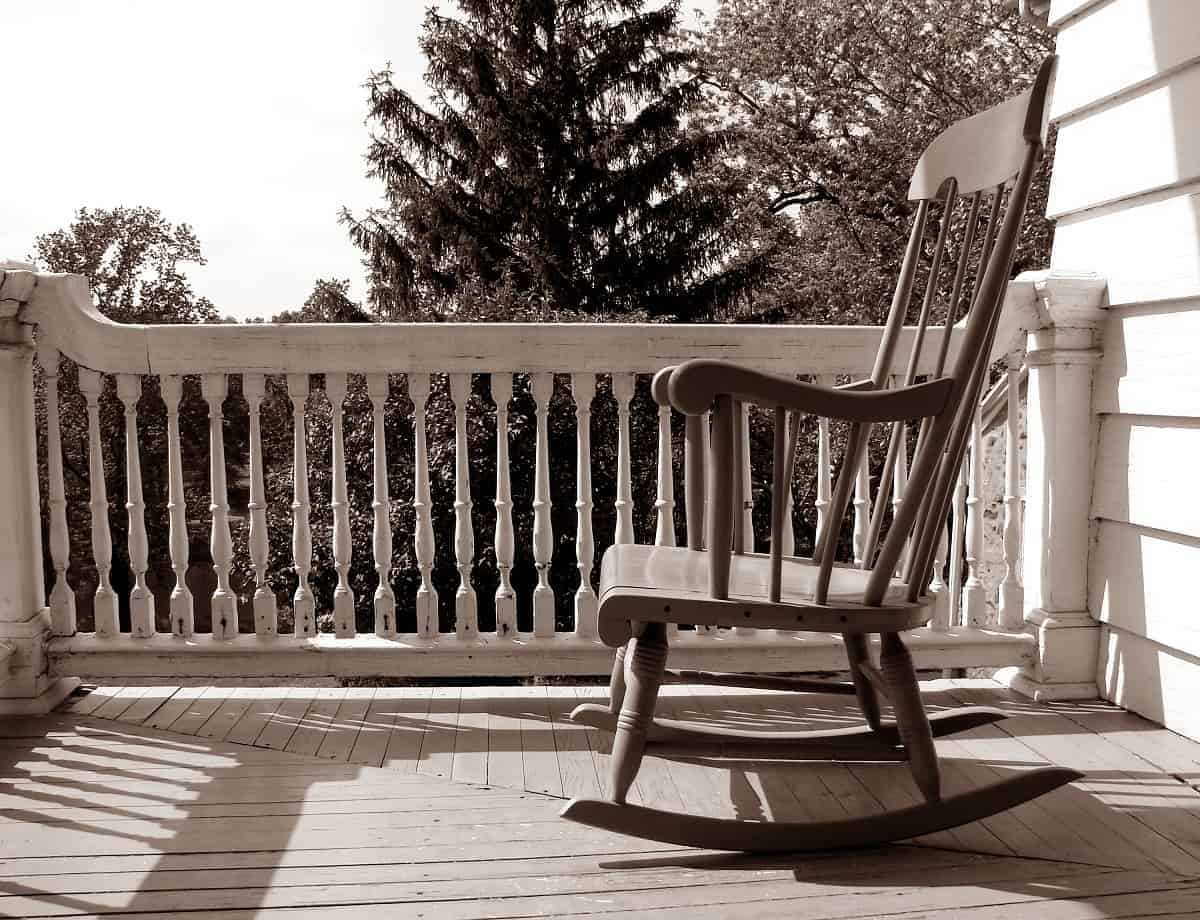
The story of rocking chairs begins in early 18th century America, with the first documented examples appearing around 1710. While Benjamin Franklin often receives credit for their invention, historical evidence points to innovative American farmers and furniture makers as the true pioneers of the rocking mechanism. These early craftsmen recognized that adding curved runners to traditional chairs created something revolutionary.
The initial purpose of rocking chairs was primarily medicinal and maternal. Hospitals utilized them for patient comfort, while new mothers found the gentle motion soothing for both themselves and their infants. The design proved so successful that by the late 1700s, rocking chairs had become essential household items across America.
The 1820s marked a pivotal moment with the introduction of the Shaker rocking chair in New York. These chairs exemplified the Shaker principles of simplicity, utility, and fine craftsmanship. Their influence spread across America and eventually to Europe, though American designs maintained distinct characteristics from their European counterparts.
Identifying Authentic Antique Rocking Chairs
Understanding the age and authenticity of a rocking chair requires careful examination of multiple elements. Let‘s explore the key indicators that help determine a piece‘s origins and age.
Construction Methods and Materials
Early American rocking chairs typically featured mortise and tenon joints, secured with wooden pegs. Hand-cut dovetails appeared in more sophisticated pieces, particularly in drawer construction for sewing rockers. Before 1880, square-headed nails were standard, while round machine-made nails indicate later production.
Wood selection often reveals both age and origin. Pre-1700s European pieces predominantly used oak, while American craftsmen favored local hardwoods like maple and birch. Walnut gained popularity from the 1600s through the 1750s, followed by mahogany‘s dominance from the 1750s through the 1850s.
Style Evolution Through the Ages
Colonial Period (1710-1776) rocking chairs display straightforward construction with practical designs. Ladder-back styles predominated, featuring horizontal slats and rush or wooden seats. These chairs often show signs of multiple repairs, as they remained in constant use through generations.
Federal Period (1780-1820) brought more refined aesthetics influenced by Sheraton designs. Shield-back patterns emerged, along with more elaborate turning in spindles and posts. Many chairs from this era feature original paint decorations, though these are often worn to fascinating patinas.
Victorian Era (1837-1901) rocking chairs reflect the period‘s love of ornate decoration. Carved details, upholstered seats and backs, and platform rocking mechanisms characterize these pieces. The Bentwood innovations of Michael Thonet introduced new possibilities in chair design.
Arts & Crafts Movement (1880-1920) returned to simpler lines while emphasizing quality construction. Quarter-sawn oak became the preferred material, with exposed joinery celebrating craftsmanship. Mission style rockers from this period remain highly sought after.
Authentication Techniques
When examining a potential antique rocking chair, start with the joints. Original joints show age-appropriate wear and old glue residue. Replacement parts typically reveal themselves through inconsistent wear patterns or newer construction methods.
Study the wood‘s surface carefully. Genuine antique chairs display consistent aging across all surfaces. Ultra-violet light examination can reveal newer woods or repairs, as different ages of wood fluoresce differently. Tool marks should match the period – look for hand plane marks on earlier pieces and circular saw marks on later examples.
Valuation in Today‘s Market
The antique rocking chair market has shown remarkable stability, with premium pieces appreciating 5-8% annually over the past decade. Current values range from [800] for basic Victorian examples to [30,000] or more for exceptional early pieces with documented provenance.
Key Value Factors
Original finish commands significant premiums, often increasing value by 25-40%. Period-correct materials and documented provenance can add 15-50% to base values. Condition grades significantly impact worth:
Mint condition pieces command full market value, while excellent condition (minor wear, original finish) brings 70-90% of optimal value. Good condition (moderate wear, minor repairs) typically achieves 40-60%, and fair condition (significant wear, major repairs) ranges from 20-30% of peak values.
Regional Market Variations
New England markets particularly value Colonial and Federal period pieces, with documented Massachusetts and Connecticut examples commanding premium prices. Southern states show strong interest in plantation rockers and Victorian examples. The Midwest maintains robust demand for Arts & Crafts pieces, particularly those from recognized manufacturers.
Building Your Collection
Successful collecting begins with focused research and patience. Start by selecting a specific period or style that resonates with you. Study auction catalogs, visit museums, and handle as many authentic pieces as possible to develop your eye.
Authentication Process
When evaluating a potential purchase, follow this systematic approach:
- Examine all construction elements, paying special attention to joints, nails, and wood selection.
- Study wear patterns – they should correspond to the chair‘s purported age and use.
- Look for maker‘s marks, though be aware many authentic pieces were never marked.
- Document any repairs or modifications.
- Research comparable pieces that have recently sold.
Conservation Considerations
Proper conservation proves essential for maintaining value. Store chairs away from direct sunlight and maintain consistent humidity levels between 45-55%. Clean only with appropriate materials and methods for the specific finish type. Document all conservation efforts and maintain detailed condition reports.
Investment Strategy
While many collectors focus on aesthetic and historical value, investment potential matters. Consider these factors:
- Rarity and historical significance
- Documentation and provenance
- Condition and originality
- Market trends and collector interest
- Storage and insurance requirements
Market Outlook and Trends
The antique rocking chair market shows promising growth potential. Increasing interest in sustainable furniture and authentic craftsmanship drives demand for quality pieces. The market for Arts & Crafts examples remains particularly strong, while documented early American pieces continue appreciating steadily.
Collectors increasingly value chairs with documented histories and original finishes. Regional styles and makers maintain strong local markets, while exceptional pieces attract international interest. The middle market ([2,000-8,000]) shows the most consistent growth and liquidity.
Essential Collecting Advice
As you begin or expand your collection, remember these fundamental principles:
Buy the highest quality examples you can afford within your chosen specialty. Document everything – photographs, repairs, provenance, and receipts. Build relationships with reputable dealers and auction houses. Join collector groups and share knowledge with fellow enthusiasts.
Most importantly, choose pieces that speak to you personally. While investment potential matters, the greatest satisfaction comes from living with and preserving these remarkable pieces of history for future generations.
Remember, each antique rocking chair tells a story through its design, construction, and the marks of time. Your role as a collector includes both preserving these stories and adding your own chapter to their ongoing history.