Comprehensive List Of Quarter Errors Worth Money: An Expert Collector‘s Guide
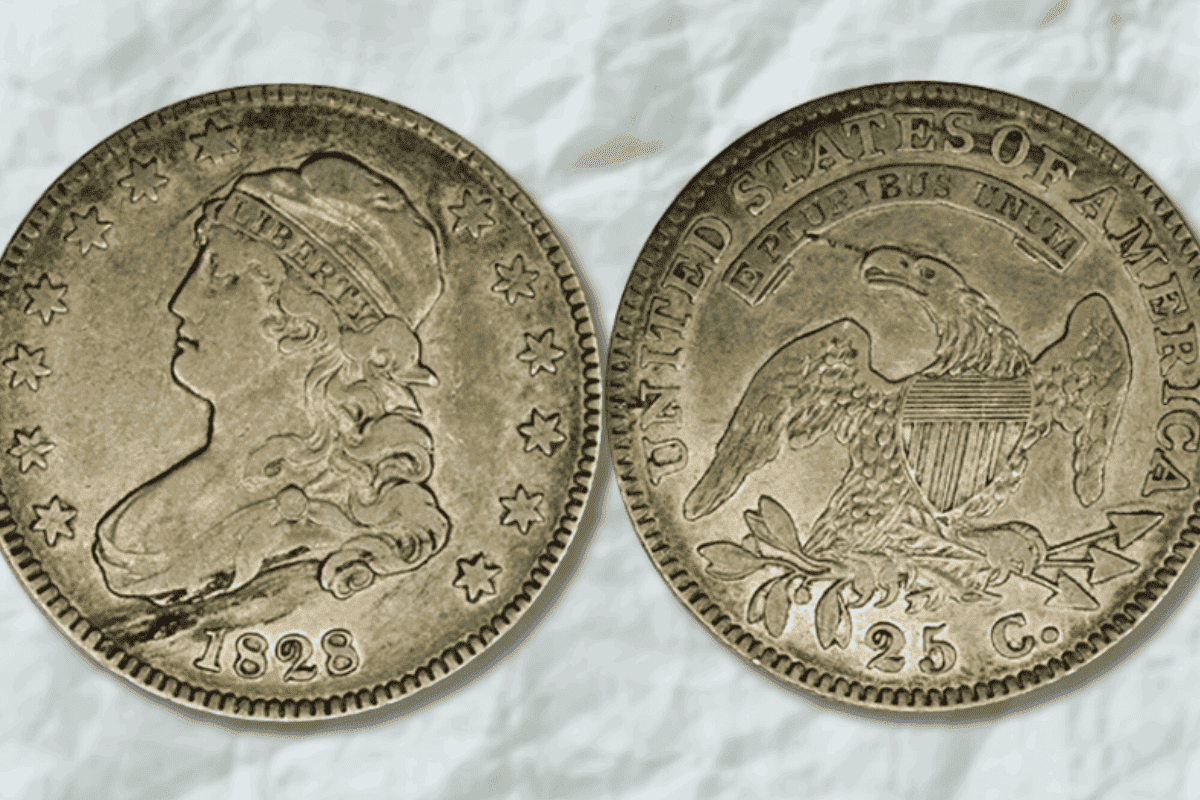
As I held the 1828 Capped Bust Quarter with its remarkable 25/5/50C error in my hands at a recent auction, I couldn‘t help but marvel at how this single coin would later sell for $352,500. After 25 years of specializing in numismatic errors, I‘ve learned that quarter errors represent some of the most fascinating – and valuable – pieces in American coinage.
The Evolution of Quarter Error Collecting
The story of quarter errors begins in the late 18th century with the first U.S. Mint operations in Philadelphia. During these early years, quality control was far from perfect, creating numerous variations that collectors prize today. The primitive manufacturing processes, combined with the pressure to produce large quantities of coins quickly, resulted in many striking errors that modern minting technology has virtually eliminated.
In the earliest days of the Philadelphia Mint, workers hand-fed planchets into the coining press one at a time. This manual process created opportunities for numerous errors that we rarely see in modern minting. From misaligned dies to multiple strikes, these early error quarters tell the story of American coinage development.
Understanding Quarter Error Categories
Quarter errors fall into several distinct categories, each with its own characteristics and value ranges. Let‘s explore these in detail:
Die Errors
Die errors occur during the manufacturing of the dies themselves or through die deterioration during the minting process. The most valuable die errors include:
Double Die Errors: These occur when the hub imprints the design onto a die multiple times at slightly different angles. The 1943 Double Die Quarter stands as one of the most sought-after examples, with premium specimens commanding over $15,000.
Die Cracks: As dies wear, they develop cracks that transfer to the struck coins. The 1873 Seated Liberty Quarter with the "Broken Wing" die crack remains particularly desirable among collectors.
Strike Errors
Strike errors happen during the actual minting process when the coin is struck. These include:
Off-Center Strikes: When the planchet isn‘t properly centered between the dies, the result is a partially blank coin. The value increases with the percentage off-center, provided the date remains visible. A 50% off-center strike can fetch $5,000 or more.
Multiple Strikes: These occur when a coin receives more than one impression from the dies. The 1916 Standing Liberty Quarter with triple strike recently sold for $23,500.
Planchet Errors
Planchet errors involve problems with the metal disk before striking:
Wrong Planchet: Sometimes quarters were struck on planchets intended for other denominations. A Washington Quarter struck on a dime planchet typically brings $2,000-$3,000.
Lamination Errors: These occur when the metal separates into layers. While common in copper coins, silver quarter laminations are rare and valuable.
Record-Breaking Quarter Errors
The following examples represent the pinnacle of quarter error collecting:
- 1828 Capped Bust Quarter 25/5/50C Error ($352,500)
- Unique triple denomination error
- Graded MS67 by PCGS
- Sold at Heritage Auctions in 2016
- Represents the highest price ever paid for a quarter error
- 2000-P Sacagawea Dollar/Quarter Mule ($144,000)
- Wrong dies combination creating a hybrid coin
- Only 15 known examples
- Represents a modern minting mistake
- Highly sought after by contemporary collectors
- 1918/7-S Standing Liberty Quarter ($48,875)
- Overdate variety showing both years
- One of the finest known examples
- Historical significance from WWI era
- Strong collector demand
Authentication and Value Factors
Proper authentication requires careful examination and consideration of multiple factors:
Physical Characteristics:
- Weight must match standard specifications
- Metal composition should be period-correct
- Strike characteristics must align with known patterns
- Surface texture should show appropriate wear
Professional Certification:
- PCGS or NGC certification recommended
- High-resolution imaging documentation
- Detailed condition reports
- Authentication guarantees
Market Considerations:
- Rarity in the series
- Historical significance
- Condition relative to known examples
- Current market demand
Regional Market Variations
Quarter error values vary significantly by region and market:
East Coast Markets:
- Higher prices for colonial-era errors
- Strong institutional buyer presence
- Competitive auction environment
West Coast Markets:
- Premium values for San Francisco Mint errors
- Strong private collector base
- Active dealer networks
International Markets:
- Growing interest from Asian collectors
- European buyers focusing on historical pieces
- Canadian cross-border collecting influence
Investment Strategies
For those considering quarter errors as investments:
Portfolio Diversity:
- Mix of time periods
- Various error types
- Different condition grades
- Range of price points
Market Timing:
- Track auction results
- Monitor dealer inventories
- Watch market cycles
- Consider economic factors
Risk Management:
- Focus on authenticated pieces
- Buy the highest grade affordable
- Maintain proper insurance
- Document all transactions
Conservation and Preservation
Proper preservation ensures long-term value:
Storage Environment:
- Temperature control (68-72°F)
- Humidity control (45-50%)
- Light protection
- Stable storage location
Handling Protocols:
- Clean cotton gloves
- Proper lighting
- Appropriate tools
- Clean work surface
Documentation:
- High-resolution photos
- Condition reports
- Transaction records
- Certification documents
Future Market Outlook
The quarter error market continues to evolve:
Growing Interest:
- New collector demographics
- International market expansion
- Digital trading platforms
- Educational resources
Price Trends:
- Steady appreciation for rare errors
- Strong demand for high-grade pieces
- Premium for historical significance
- Market stability for certified examples
Collecting Opportunities:
- Modern error discovery potential
- Estate sale finds
- Bank roll searching
- Dealer networks
Conclusion
Quarter errors represent a fascinating subset of numismatic collecting, offering both historical significance and investment potential. Whether you‘re a seasoned collector or just starting, understanding the various types of errors, their relative rarity, and proper authentication methods proves essential for success in this specialized market.
Remember that each error quarter tells a unique story about American minting history. While the hunt for valuable errors requires patience and knowledge, the rewards – both financial and historical – make this pursuit worthwhile for dedicated collectors.