Most Valuable Wittnauer Watch (Worth From $50 to $6,480) – VIP Art Fair
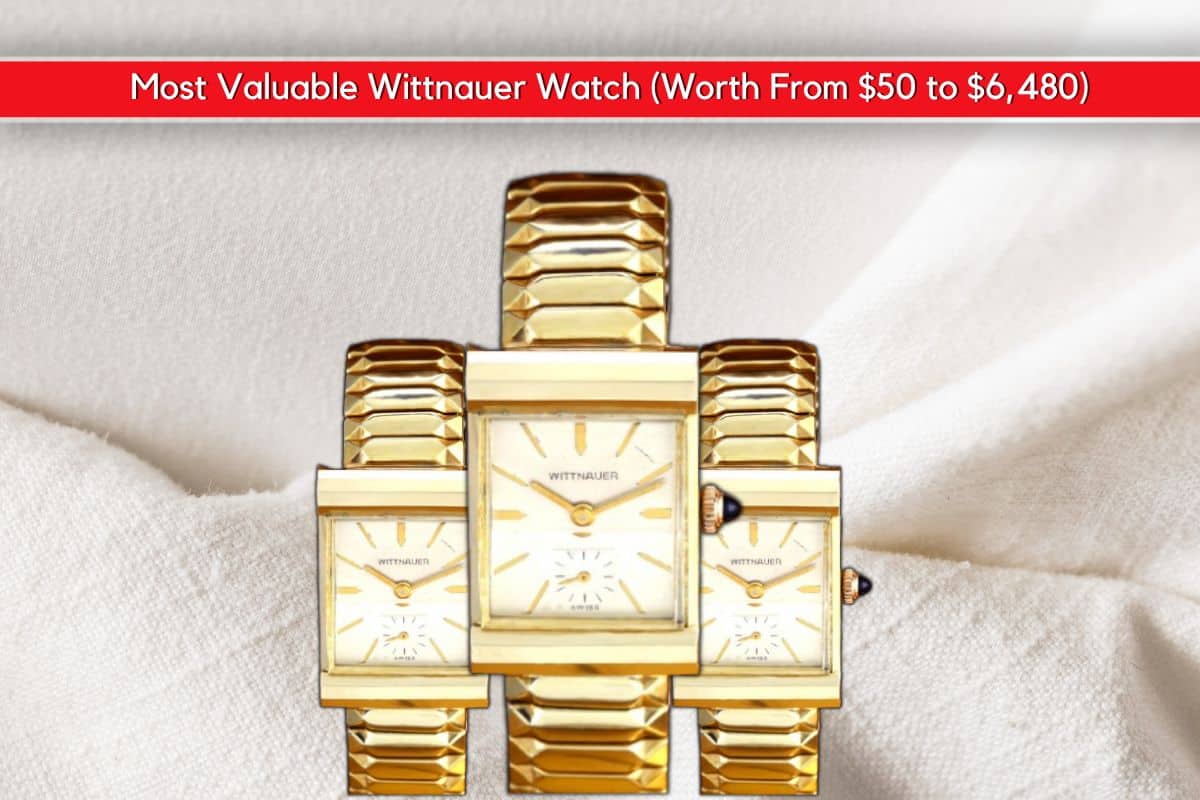
The subtle ticking of a vintage Wittnauer watch tells more than just time – it narrates a rich story of Swiss precision meeting American entrepreneurship. As an antique watch collector and expert with over two decades of experience, I‘ve witnessed these timepieces command prices from modest $50 finds at local estate sales to exceptional chronographs reaching $6,480 at prestigious auctions.
A Legacy of Innovation: The Wittnauer Story
The year was 1885 when 16-year-old Albert Wittnauer arrived in New York from Switzerland, carrying dreams and watchmaking expertise. While established Swiss brands focused on luxury segments, Wittnauer identified an untapped opportunity – delivering Swiss quality at prices accessible to America‘s growing middle class.
The company‘s early innovations proved revolutionary. In 1899, Wittnauer patented the first water-resistant wristwatch case, a development that would influence watchmaking for generations. By 1908, Wittnauer timepieces gained recognition for their exceptional accuracy and durability.
During World War I, Wittnauer supplied precision instruments to the U.S. military, including chronographs for aviation units. These military connections would later influence some of their most valuable collector pieces. The 1920s saw Wittnauer watches adorning the wrists of pioneering aviators, including Charles Lindbergh during his historic transatlantic flight.
Understanding Wittnauer Watch Values
The current market for Wittnauer watches spans an impressive range. Through my years of appraisal work, I‘ve identified several key factors that determine value:
Historical Significance
Military-issue Wittnauer watches from World War II often command premium prices, particularly those with documented service history. A rare 242T chronograph with verified military provenance recently sold for $5,800 at a specialized auction in New York.
Technical Innovation
Watches featuring groundbreaking complications or movements typically attract serious collectors. The Valjoux 72 movement, found in premium Wittnauer chronographs from the 1960s, represents the pinnacle of mechanical watchmaking excellence.
Condition and Originality
Original dials, unpolished cases, and factory-correct parts significantly impact value. A seemingly modest 1950s Wittnauer can double or triple in worth if it retains its original finish and components.
Investment-Grade Wittnauer Watches
The highest tier of Wittnauer collecting focuses on exceptional pieces that combine rarity, condition, and historical significance.
Professional Chronographs ($3,000-$6,480)
The reference 242T chronograph stands as Wittnauer‘s crown jewel. These watches feature the renowned Valjoux 72 movement, also used by Rolex in their Daytona models. A pristine example with original box and papers recently achieved $6,480 at auction – a record for the brand.
The Professional series chronographs from the 1960s remain highly sought after. Their robust construction, precise movements, and connection to the space age make them particularly appealing to serious collectors.
Rare Complications ($2,000-$3,500)
Triple date calendar models from the 1950s showcase Wittnauer‘s technical prowess. These watches feature day, date, and month displays, often combined with moonphase indicators. Well-preserved examples regularly sell in the $2,000-$3,500 range.
Military Models ($1,500-$4,000)
World War II-era Wittnauer watches with military markings attract strong interest. These timepieces typically feature luminous dials, waterproof cases, and hack seconds functionality – essential features for military use.
Mid-Range Collectible Wittnauer Watches ($500-$1,500)
This segment offers excellent value for collectors seeking quality without premium prices.
Professional Series Divers
The Professional diver watches from the 1960s and early 1970s combine robust construction with distinctive design elements. Look for original rotating bezels and proper depth ratings on the dial.
Dress Watches in Precious Metals
Gold-filled and solid gold Wittnauer dress watches from the 1950s and 1960s offer classical styling at reasonable prices. Many feature high-grade movements and elegant dial designs.
Calendar Complications
Simple calendar watches with date or day-date functions provide an accessible entry point to complicated timepieces.
Entry-Level Vintage Wittnauer ($50-$500)
The accessibility of entry-level Wittnauer watches makes them perfect for beginning collectors.
Basic Time-Only Models
Simple manual-wind watches from the 1940s through 1960s often sell for $100-$300. These pieces typically feature reliable movements and classical designs.
Project Watches
Non-running examples or watches needing restoration can be found for $50-$150. While requiring investment in repairs, these pieces offer opportunities to learn about vintage watch mechanics.
Authentication and Evaluation
Identifying genuine Wittnauer watches requires attention to multiple details:
Movement Analysis
Authentic Wittnauer movements should display appropriate caliber numbers and finishing quality. Early movements often bear Swiss patents and manufacturing marks.
Case Construction
Original cases feature proper hallmarks and serial numbers. Watch for correct case back markings and period-appropriate materials.
Dial Characteristics
Genuine dials show consistent patina and proper font styles. Luminous material should match the watch‘s age – radium for pre-1960s models, tritium for later pieces.
Market Trends and Regional Variations
The Wittnauer market shows interesting geographic patterns:
North American Market
American collectors particularly value military-issue pieces and chronographs. The brand‘s historical connection to U.S. aviation creates strong demand for pilot‘s watches.
European Market
European collectors focus more on dress watches and rare complications. Gold cases command higher premiums in this market.
Asian Market
Growing interest from Asian collectors has increased demand for larger chronographs and professional models.
Conservation and Maintenance
Proper care preserves both condition and value:
Regular Service
Professional servicing every 3-5 years maintains mechanical health. This includes movement cleaning, lubrication, and gasket replacement.
Storage Conditions
Temperature-controlled environments protect against deterioration. Avoid magnetic fields and excessive humidity.
Documentation
Maintain service records and original documentation. Photograph any restoration work for future reference.
Investment Strategy and Market Outlook
Current market trends suggest continued growth in vintage Wittnauer values:
Focus Areas
Chronographs and military models show strongest appreciation potential. Complete sets with original documentation command increasing premiums.
Risk Management
Diversify across different models and price points. Consider condition and originality carefully when making purchases.
Market Development
Growing international interest supports price stability. New collectors entering the market create demand for entry-level pieces.
Conclusion
Wittnauer watches offer compelling opportunities across all collecting levels. From affordable entry points to investment-grade chronographs, these timepieces combine historical significance with enduring value. Understanding their market dynamics, authentication requirements, and proper care ensures both collecting enjoyment and potential appreciation.
Whether starting your collection or adding to an established portfolio, Wittnauer watches merit serious consideration. Their combination of Swiss quality, American heritage, and proven value makes them increasingly attractive to collectors worldwide.