How Much is One Ounce of 999 Fine Copper Worth? – A Collector‘s Market Guide
As I run my fingers across the smooth surface of a pristine .999 fine copper round, memories of four decades spent collecting and trading precious metals flood back. The warm, reddish glow of pure copper tells a story far more complex than its modest spot price suggests. Let me share what I‘ve learned about copper‘s true worth in today‘s dynamic market.
The Legacy of Pure Copper
Pure copper has shaped human civilization since the Chalcolithic period, around 5000 BCE. Today, .999 fine copper represents the pinnacle of copper purity, containing 99.9% pure copper with minimal trace elements. This exceptional purity grade makes it particularly valuable for both industrial applications and collecting.
In my early collecting days, pure copper was often overlooked in favor of gold and silver. However, the market has evolved significantly, particularly as green technology drives unprecedented demand for this versatile metal.
Current Market Valuation
The raw spot price for one ounce of .999 fine copper typically ranges between $0.80 and $1.00. However, this base price barely scratches the surface of copper‘s actual market value. As a collector, you‘ll quickly discover that form, presentation, and market context dramatically influence price.
Raw copper bullion bars and rounds generally command $1.50 to $2.50 per ounce, reflecting manufacturing costs and dealer premiums. However, the most interesting opportunities lie in specialized copper products that can fetch significantly higher prices.
Premium Copper Products
Numismatic copper pieces represent some of the most compelling investments in today‘s market. The Walking Liberty Copper Round, for instance, currently trades between $8 and $10, despite containing just one ounce of copper. This premium reflects both artistic value and collector demand.
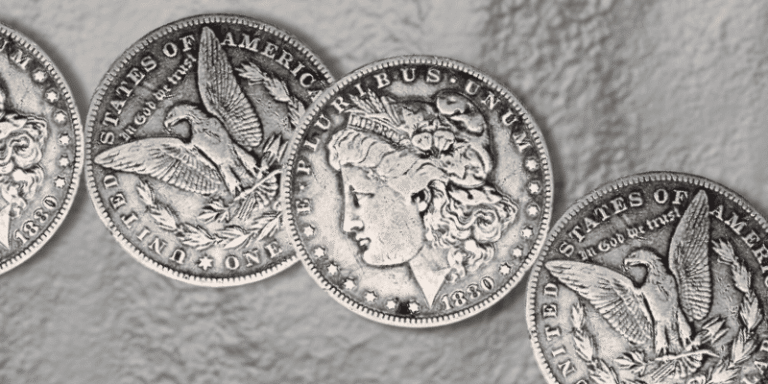
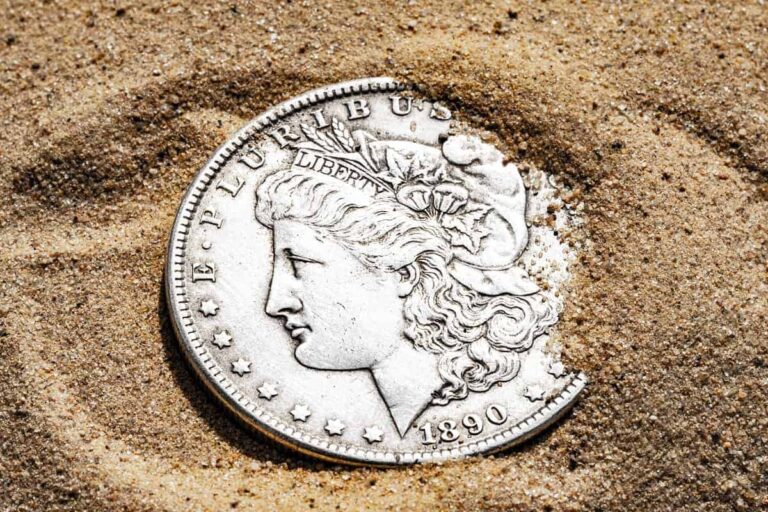
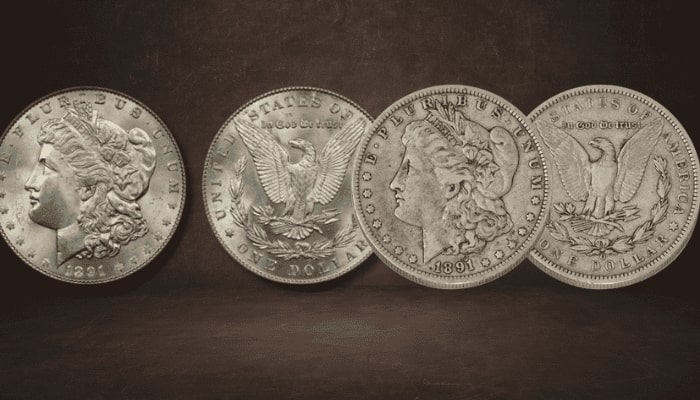
Morgan Dollar copper reproductions, particularly those struck with exceptional detail, can reach $12 to $15 per piece. I‘ve watched these prices steadily climb over the past five years as more collectors recognize their historical significance and artistic merit.
Industrial Demand and Market Forces
The industrial sector significantly influences copper prices. Electric vehicle manufacturing alone has driven a 250% increase in copper demand since 2019. Each electric vehicle requires approximately 180 pounds of copper, compared to 48 pounds in conventional vehicles.
Renewable energy infrastructure creates additional pressure on copper supplies. A single wind turbine uses about 4.7 tons of copper. Solar installations require approximately 5.5 tons per megawatt of power generation capacity.
Regional Market Variations
North American markets typically command premium prices for collector-grade copper, with strong demand centered in numismatic circles. I‘ve observed prices 15-20% higher than global averages, particularly for authenticated pieces with documented provenance.
European markets show particular interest in architectural and historical copper items, with prices often 10-15% above standard rates. Asian markets, traditionally focused on industrial applications, have recently shown increased collector interest, especially in artistic copper pieces.
Authentication and Grading
Proper authentication of .999 fine copper requires both technical knowledge and practical experience. The metal should display a bright salmon-pink color when freshly minted, gradually developing a distinctive patina over time.
Key authentication points include:
- Density testing (genuine .999 copper measures precisely 8.96 g/cm³)
- Surface pattern examination under magnification
- Conductivity testing using specialized equipment
- Patina development patterns
- Strike quality assessment
Investment Strategies
My years in the copper market have taught me several crucial investment principles. First, focus on quality over quantity. A single, exceptional piece often appreciates more rapidly than multiple average specimens.
Consider creating a diversified copper portfolio:
- 40% investment-grade bullion
- 30% numismatic pieces
- 20% artistic copper items
- 10% rare or unique specimens
Conservation and Storage
Proper storage significantly impacts long-term value. I recommend using acid-free containers and maintaining stable environmental conditions. Temperature fluctuations can accelerate toning and potentially damage surfaces.
Handling techniques also matter. Always hold copper pieces by their edges and wear cotton gloves to prevent fingerprint etching. Regular inspection helps identify potential issues before they become serious problems.
Market Outlook and Future Trends
Current market indicators suggest continued strong demand for .999 fine copper. Industrial requirements continue to grow, while collector interest shows steady expansion. Supply constraints from major producing regions add upward price pressure.
The green energy transition particularly supports long-term value appreciation. Industry analysts project a 50% increase in copper demand by 2040, primarily driven by renewable energy infrastructure and electric vehicle production.
Collecting Recommendations
For those entering the copper market today, I recommend starting with authenticated pieces from reputable dealers. Build relationships within the collecting community and take time to study market patterns before making significant investments.
Document everything. Maintain detailed records of purchases, including photographs, certificates of authenticity, and transaction details. This documentation becomes increasingly valuable as your collection grows.
Price Trends and Valuation
Recent market data shows interesting patterns in copper valuations:
Standard Bullion Products:
- 1 oz bars: $1.50-2.50
- 10 oz bars: $15-22
- 1 pound bars: $25-35
Collector Items:
- Walking Liberty Rounds: $8-10
- Morgan Copper: $12-15
- Peace Dollar Copper: $6-8
- Buffalo Rounds: $9-11
- Custom Art Pieces: $20-100+
Building Long-term Value
Success in copper collecting requires patience and knowledge. Focus on building relationships with reputable dealers and other collectors. Join collector organizations and attend trade shows to stay current with market trends.
Consider specializing in particular areas that interest you. Whether it‘s nineteenth-century copper coins, modern art pieces, or industrial-grade bullion, specialized knowledge often leads to better investment opportunities.
Final Thoughts
The value of one ounce of .999 fine copper extends far beyond its spot price. While base metal prices provide a foundation, the true worth depends on form, condition, rarity, and market demand. As both a collector and market observer, I‘ve watched copper evolve from an industrial commodity to a sophisticated collecting field with numerous opportunities for appreciation.
Remember that each piece tells a story and holds potential beyond its metal content. Whether you‘re just starting your copper collection or expanding an existing portfolio, understanding these various value components helps make informed decisions that can lead to both personal satisfaction and financial reward.