How Much is Turquoise Worth? (Rare One Worth Over $1,500 Per Carat)
The mystical blue-green stone that adorned ancient Egyptian pharaohs and Native American chiefs now commands extraordinary prices in the modern market. As an antique collector with three decades of experience specializing in precious stones, I‘ve witnessed turquoise specimens sell for more than $1,500 per carat – surpassing the value of many diamonds.
The value of turquoise spans an incredible range, from modest pieces at $3 per carat to the rarest specimens fetching thousands. This remarkable variation reflects the stone‘s complex nature and the fascinating factors that determine its worth.
The Ancient Legacy of Turquoise
The story of turquoise value begins thousands of years ago. Persian mines produced the first documented turquoise trade, though earlier use dates back to ancient Egypt. The stone‘s name originates from the French phrase "pierre turquoise," meaning "Turkish stone," as Turkish traders introduced it to Europe along the Silk Road.
In the Americas, pre-Columbian civilizations cherished turquoise as a sacred stone. The Aztecs valued it above gold, while Native American tribes in the Southwest created sophisticated inlay work that remains highly sought after by collectors today.
Understanding Turquoise Formation
The geological conditions required for turquoise formation are remarkably specific, contributing to its rarity and value. The stone forms when copper-rich groundwater interacts with aluminum and phosphorus-bearing rocks in arid regions. This process typically occurs in copper deposits where weathering and oxidation create the perfect environment for turquoise crystallization.
The finest turquoise develops over millions of years in specific conditions:
- Consistent water flow through copper-rich deposits
- Precise chemical balance of minerals
- Stable temperature and pressure conditions
- Minimal disruption during formation
Quality Factors Determining Value
The value of turquoise depends on multiple interconnected characteristics that require careful evaluation.
Color Intensity and Purity
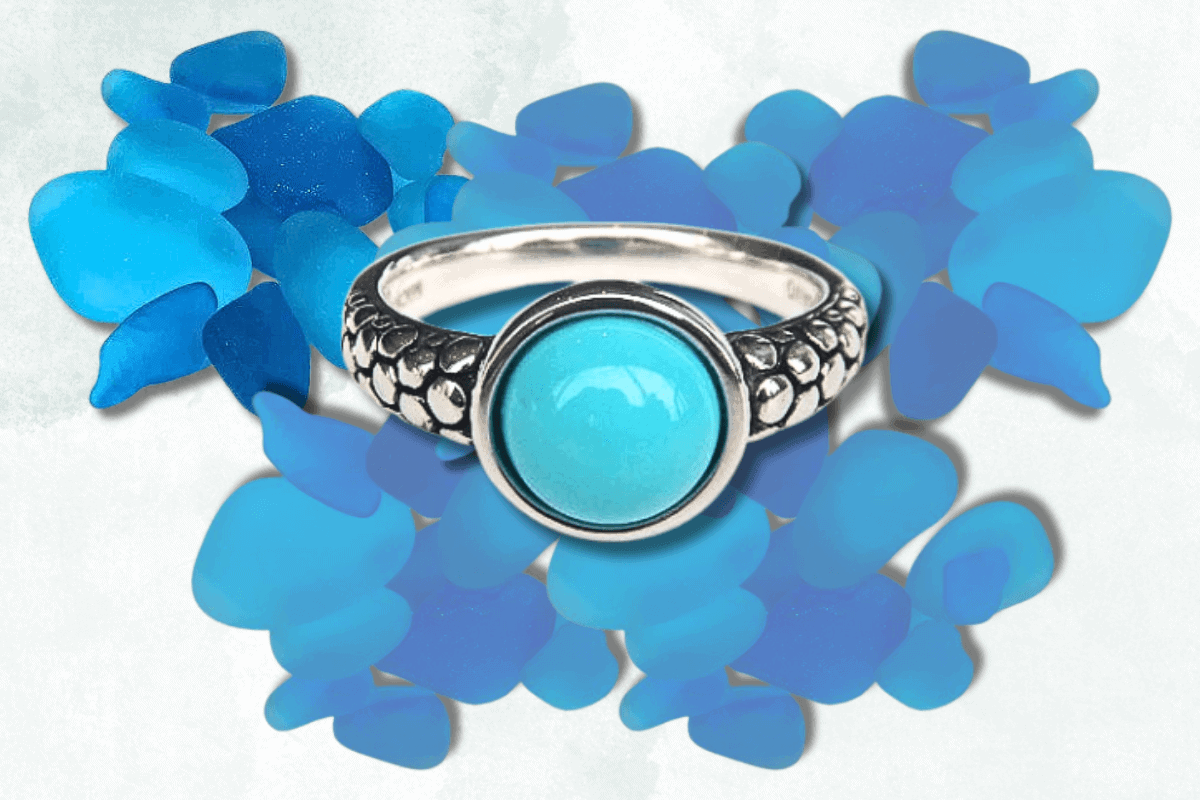
The most valuable turquoise displays a pure, intense blue color known as "Persian blue." This commanding hue results from perfect copper concentrations and minimal iron influence. Current market values for superior color specimens regularly exceed $1,000 per carat.
Medium-blue stones typically range from $200-500 per carat, while green-tinged varieties generally command $50-200 per carat. The color must remain consistent throughout the stone, without spots or variations.
Matrix Characteristics
The matrix – dark veining patterns within turquoise – significantly impacts value. While some collectors prize certain matrix patterns, particularly the "spider web" design found in southwestern American turquoise, the highest-valued stones typically show minimal to no matrix.
Hardness and Stability
Natural turquoise ranges from relatively soft (Mohs 5) to moderately hard (Mohs 6). Harder specimens maintain their polish and resist deterioration, commanding premium prices. Softer stones often require stabilization treatment, which reduces their value by 40-60%.
Geographic Origins and Market Impact
Different mining regions produce distinctive turquoise varieties, each commanding different price points in today‘s market.
Iranian (Persian) Turquoise
The historical standard for excellence comes from mines near Nishapur, Iran. These deposits produce stones with an intensely pure blue color and minimal matrix. Current market values for top-grade Persian turquoise regularly exceed $1,500 per carat.
American Southwest Production
Notable mines in Arizona, Nevada, and New Mexico produce distinctive varieties:
- Sleeping Beauty Mine (Arizona) – Known for pure blue stones without matrix
- Kingman Mine (Arizona) – Light to medium blue with occasional matrix
- Number 8 Mine (Nevada) – Spider web matrix patterns highly valued by collectors
Chinese Turquoise Market
China‘s turquoise production has increased significantly in recent years. While some high-quality specimens emerge from Chinese mines, most material shows heavy matrix and green tinting, trading at $20-200 per carat.
Authentication Methods and Fraud Prevention
The high value of premium turquoise has led to widespread imitation. Professional authentication involves multiple steps:
Scientific Testing
Genuine turquoise exhibits specific properties:
- Refractive index between 1.61-1.65
- Specific gravity of 2.6-2.8
- Characteristic reaction to hydrochloric acid
- Distinctive fluorescence patterns under UV light
Visual Examination
Experienced collectors look for:
- Natural color variations within acceptable ranges
- Authentic matrix patterns
- Surface texture characteristics
- Signs of treatment or enhancement
Investment Considerations and Market Dynamics
The turquoise market shows strong investment potential, driven by several factors:
Supply Constraints
Major mines worldwide face depletion or closure. The famous Sleeping Beauty Mine ceased operations in 2012, causing prices for its distinctive turquoise to triple. Similar supply restrictions affect other historic mining regions.
Growing Demand
International demand continues rising, particularly in Asian markets where collectors value high-grade natural specimens. Designer jewelry makers increasingly seek premium turquoise, further straining limited supplies.
Conservation and Care
Protecting valuable turquoise requires careful attention:
Environmental Controls
Store specimens away from:
- Direct sunlight which can fade color
- High humidity that may affect stability
- Extreme temperature variations
- Chemical exposure including cosmetics and perfumes
Regular Maintenance
Professional care includes:
- Annual professional cleaning
- Condition assessment
- Updated documentation and valuation
- Insurance review and adjustment
Future Market Outlook
Several trends suggest continued value appreciation:
Supply Factors
- Declining production from historic mines
- Environmental restrictions on new mining
- Limited new deposit discoveries
Market Evolution
- Growing international collector base
- Increased recognition of investment potential
- Rising prices for authenticated specimens
Practical Guidance for Collectors
Success in turquoise collecting requires:
Knowledge Development
Study historical sales records, market trends, and authentication techniques. Build relationships with reputable dealers and other collectors. Maintain detailed documentation of your collection.
Quality Focus
Prioritize specimens with:
- Natural, untreated status
- Superior color and minimal matrix
- Documented provenance
- Professional certification
Market Awareness
Monitor:
- Auction results
- Dealer inventory changes
- Mining industry developments
- International market trends
The turquoise market rewards informed collectors who understand quality factors and market dynamics. Focus on acquiring the finest specimens within your budget, always prioritizing documentation and authenticity. With proper knowledge and careful selection, turquoise offers significant potential for both collecting enjoyment and value appreciation.
Remember that each piece of fine turquoise represents a unique combination of natural beauty, geological rarity, and cultural significance. This combination drives both current values and future appreciation potential in this fascinating market segment.