Most Valuable Buffalo Nickel: A $322,000 American Numismatic Treasure
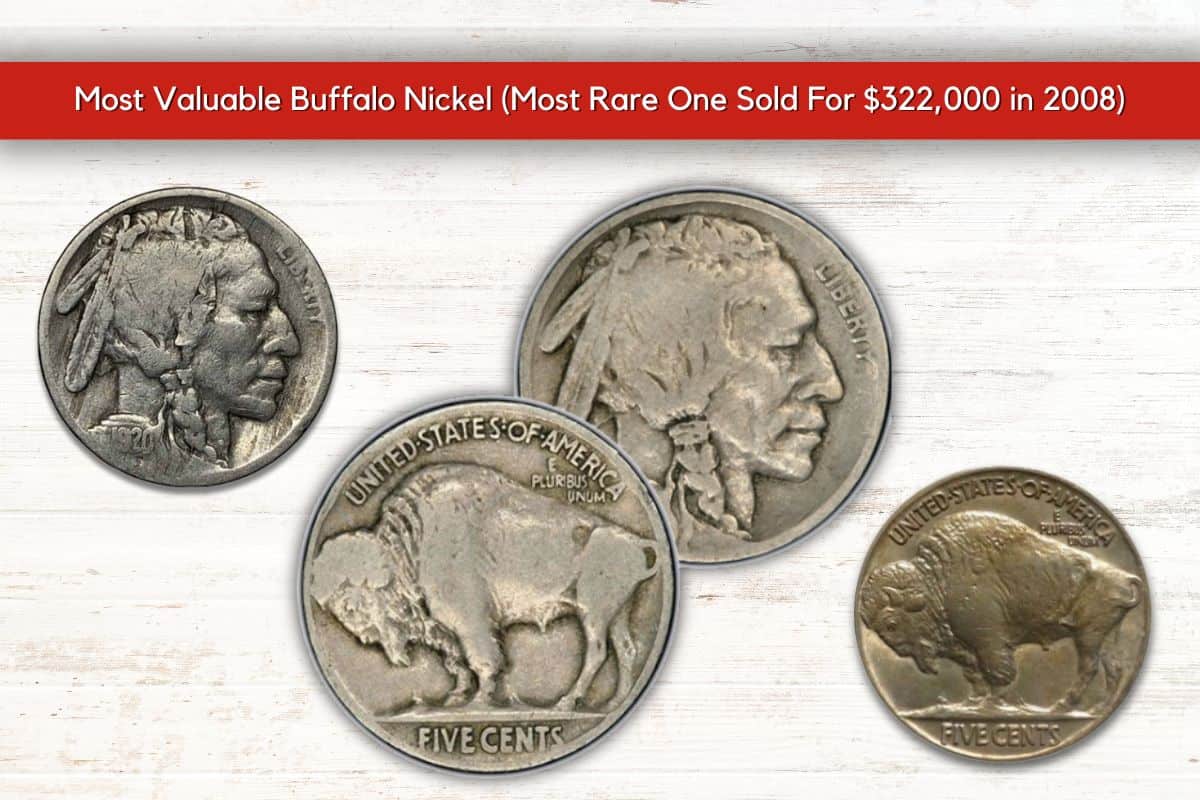
In the world of rare coins, few pieces capture the American spirit quite like the Buffalo Nickel. When a pristine 1926-S Buffalo Nickel achieved $322,000 at auction in 2008, it marked a defining moment in numismatic history. This remarkable sale highlighted the extraordinary potential these five-cent pieces hold for collectors and investors alike.
The Birth of an American Icon
The story of the Buffalo Nickel begins in 1911, during President William Howard Taft‘s administration. The U.S. Mint sought to replace the Liberty Head nickel, which had served since 1883. The timing proved significant, as America was experiencing a cultural renaissance that celebrated indigenous peoples and the vanishing frontier.
James Earle Fraser, a student of Augustus Saint-Gaudens, received the commission to design the new five-cent piece. Fraser‘s frontier childhood in Dakota Territory provided authentic inspiration for what would become one of America‘s most distinctive coins. His design merged three Native American chiefs‘ profiles – Iron Tail (Sioux), Two Moons (Cheyenne), and John Big Tree (Seneca) – into a single, powerful portrait.
The reverse featured Black Diamond, a 1,550-pound American bison residing at New York‘s Central Park Zoo. Fraser studied the massive creature extensively, capturing its raw power and dignity in his design. The resulting coin perfectly embodied the American West‘s spirit at a pivotal moment in the nation‘s history.
Production History and Mint Variations
From 1913 to 1938, three U.S. Mints produced Buffalo Nickels:
- Philadelphia Mint (no mint mark)
- Denver Mint (D)
- San Francisco Mint (S)
The Philadelphia Mint typically produced the highest quantities, while San Francisco often created lower mintages, contributing to the relative scarcity of "S" mint marks today. The Denver Mint‘s production varied significantly year by year, creating several key dates in the series.
Early production revealed design flaws, particularly in the date area and the buffalo‘s horn, leading to modifications in 1913. This created two distinct varieties for that year – Type 1 and Type 2 – with Type 1 showing the buffalo standing on a raised mound and Type 2 featuring a recessed area beneath the animal.
Understanding Value and Rarity
The value of Buffalo Nickels ranges dramatically based on several crucial factors. Date and mint mark combinations create the foundation for value, but condition proves paramount. The finest known specimens command prices hundreds or thousands of times higher than worn examples.
Key dates include:
1916/16 Doubled Die Obverse
1918/7-D Overdate
1921-S
1924-S
1926-S
1927-S
The condition scale for Buffalo Nickels requires special attention to specific areas:
The obverse (front):
- Cheek detail on the Native American portrait
- Feather definition
- Hair braid clarity
The reverse (back):
- Horn detail on the buffalo
- Shoulder fur definition
- Leg musculature
Record-Breaking Sales and Notable Specimens
The 2008 sale of the 1926-S MS-66 for $322,000 represents just one pinnacle in Buffalo Nickel collecting. Other remarkable specimens include:
The finest known 1918/7-D Overdate, graded MS-65, which sold for $350,750 in 2006. This rare variety occurred when a die dated 1917 was corrected to 1918, creating a visible overdate.
A 1937-D Three-Legged Buffalo, graded MS-67, achieved $99,875 at auction. This famous error occurred when a mint employee overzealously polished a die, removing one of the buffalo‘s legs.
Authentication Techniques
Identifying genuine Buffalo Nickels requires attention to multiple details:
Metal Flow Patterns: Authentic coins display natural metal flow lines radiating from the center. These patterns result from the tremendous pressure applied during striking and cannot be accurately replicated.
Design Elements: Each feature should show proper depth and relief. The Native American‘s facial features, particularly around the nose and cheekbone, must display correct modeling. The buffalo‘s fur texture requires specific patterns varying by date and mint.
Edge Properties: Original coins possess uniform reeding patterns consistent with their mint and era of production. The edge should show natural wear patterns rather than artificial manipulation.
Regional Market Variations
Buffalo Nickel values fluctuate by region, reflecting local collecting traditions and market dynamics. Western states often show stronger demand for high-grade specimens, particularly those from the Denver and San Francisco mints. Eastern markets traditionally focus more on Philadelphia mint products and overall type collecting.
Investment Strategies
For investors considering Buffalo Nickels, several approaches merit consideration:
Quality-First Strategy: Focus on the highest available grades within budget constraints. Premium quality coins consistently outperform lower-grade examples long-term.
Key Date Concentration: Target scarce dates in middle to high grades, which offer strong appreciation potential with somewhat lower initial investment than finest known specimens.
Type Collecting: Acquire exceptional examples of major varieties and types, creating a diverse portfolio within the series.
Conservation and Preservation
Proper storage proves essential for maintaining Buffalo Nickel value. Temperature stability between 65-72°F with relative humidity between 35-45% provides optimal preservation conditions. Avoid PVC-containing holders, which can damage coins over time.
Handling protocols require:
- Clean, dry hands or cotton gloves
- Working over padded surfaces
- Holding coins by edges only
- Using proper lighting for examination
Market Analysis and Future Outlook
The Buffalo Nickel market demonstrates consistent strength, particularly for premium quality specimens. Recent trends show increasing demand from both traditional collectors and investment-oriented buyers. The series benefits from broad appeal spanning multiple collecting categories:
- Native American history enthusiasts
- Western Americana collectors
- Traditional date and mint mark specialists
- Type set builders
- Investment portfolios
Looking forward, several factors suggest continued market strength:
Growing appreciation for classic American coin designs
Increasing scarcity of high-grade specimens
Strong international collector interest
Rising precious metal values supporting overall numismatic markets
Building a Collection
For collectors entering the Buffalo Nickel market, consider these guidelines:
Start with authenticated examples from reputable dealers. Third-party grading provides important protection in this series, where wear patterns and surface quality significantly impact value.
Study authentic examples extensively before making major purchases. Understanding genuine surface characteristics helps avoid altered or problematic coins.
Document purchases carefully, maintaining records of:
- Purchase date and price
- Seller information
- Certification numbers
- Notable characteristics
- Photographs
Conclusion
The Buffalo Nickel series offers rich opportunities for collectors and investors alike. From the record-setting $322,000 1926-S to more modest yet rewarding examples, these coins connect us to a pivotal era in American history. Their artistic merit, historical significance, and proven track record of appreciation make them cornerstones of serious numismatic portfolios.
Whether pursuing investment-grade rarities or building a meaningful collection within more modest means, Buffalo Nickels reward careful study and patient acquisition. Their enduring appeal, combined with steadily increasing scarcity in premium grades, suggests a bright future for this beloved American classic.