Most Valuable Old Brown Glass Clorox Bottles: A Collector‘s Guide
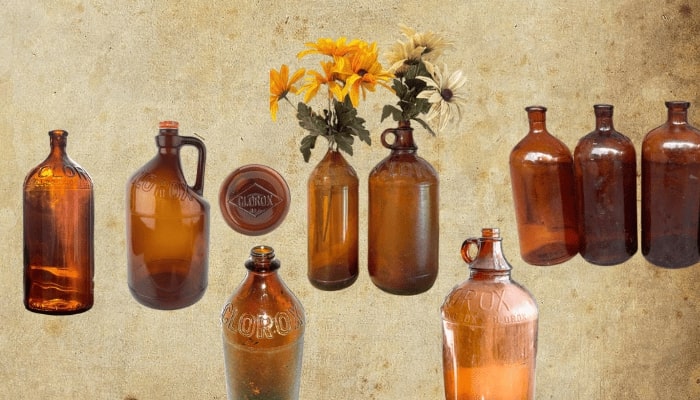
As a collector and appraiser specializing in vintage glass bottles for over two decades, I‘ve witnessed the fascinating evolution of the Clorox bottle market. These amber-hued vessels represent more than just containers – they‘re tangible pieces of American industrial history that tell the story of domestic life throughout the 20th century.
The Most Valuable Specimens
Let me share insights about the most prized bottles in today‘s market, based on recent sales and auction data.
Diamond Label Variant (1913-1916)
The holy grail for serious collectors, these earliest Clorox bottles feature a distinctive diamond-shaped paper label and can command prices up to $500 when found in pristine condition. The glass displays a rich amber tone with subtle variations due to hand-blown manufacturing. Only a handful of authenticated specimens exist, making this variant particularly precious.
Oakland Mold Series (1916-1920)
These early machine-made bottles, produced in Oakland, California, typically sell between $200-300. Their value stems from distinctive base markings that include the "OAK" identifier. The glass often shows characteristic bubbles and striations from early automated production methods.
Ribbed Shoulder Design (1928-1932)
A transitional design featuring innovative ribbed shoulders, these bottles regularly fetch $150-200 at auction. The distinctive texture served both practical and aesthetic purposes, providing grip while creating visual interest. Specimens with intact original rubber stoppers command premium prices.
Art Deco Influence (1934-1938)
The streamlined design of these bottles reflects the Art Deco movement‘s impact on industrial design. Well-preserved examples with clear embossing sell for $100-150. The glass quality improved during this period, resulting in more uniform coloration.
Wartime Production (1941-1945)
Despite material restrictions during World War II, Clorox maintained production with slightly modified designs. These historical pieces, particularly those with documented wartime provenance, can sell for $75-125.
Authentication Essentials
When examining a potential acquisition, I always start with the base. Authentic pre-1930 bottles display distinctive pontil marks and crude seams. The glass should feel slightly uneven under your fingertips – too smooth suggests a modern reproduction.
The amber coloration tells its own story. Early bottles show natural variations and occasional streaking, while later specimens display more uniform hues. Hold the bottle to strong light – authentic pieces reveal tiny bubbles suspended in the glass matrix.
Embossing depth provides crucial clues. Pre-1940 bottles typically feature deeper, more pronounced lettering compared to later examples. Run your fingers across the embossing – sharp edges often indicate reproduction, while genuine pieces show subtle wear from decades of handling.
Regional Variations
My research has uncovered fascinating regional differences in Clorox bottle production. East Coast bottles from the 1920s often display slightly darker amber tones due to local sand composition. West Coast specimens from the same period typically show more olive undertones.
Northern California bottles, particularly those from the Oakland plant, feature distinctive base marks that command premium prices among regional collectors. Southern California variants from the 1930s sometimes display subtle mold variations that make them particularly desirable to specialists.
Condition Assessment
When evaluating condition, I examine several key areas:
The rim must be carefully inspected for chips or flaking. Even minor damage significantly impacts value. The neck area often shows stress cracks in poorly preserved specimens – hold the bottle at an angle to strong light to reveal hairline fractures.
Base wear provides important authenticity indicators. Genuine pieces show consistent wear patterns from decades of use. The embossing should show proportional wear – inconsistent wear patterns may indicate tampering or reproduction.
Interior residue requires careful evaluation. Original contents sometimes left distinctive staining patterns that actually enhance value for certain collectors. However, inappropriate cleaning methods can damage the glass surface, diminishing both historical integrity and market value.
Investment Considerations
The market for vintage Clorox bottles has shown steady appreciation over the past decade. Early specimens, particularly those with documented provenance, have appreciated 10-15% annually. However, condition remains paramount – even rare variants in poor condition struggle to find buyers at premium prices.
Investment-grade specimens should display:
- Clear, legible embossing
- Original closure components when applicable
- Documented provenance
- Period-appropriate wear patterns
- No significant damage or repairs
Conservation Methods
Proper conservation begins with stable environmental conditions. I maintain my collection at constant temperature (68-72°F) and humidity (45-55%). UV protection is essential – even indirect sunlight can affect glass chemistry over time.
Cleaning requires particular care. I use only distilled water and soft microfiber cloths. Avoid commercial glass cleaners, which can interact with historical residues and damage surface patina. Never attempt to polish out scratches or wear marks – these are part of the bottle‘s history and authenticate its age.
Building Your Collection
Start with mid-range specimens from the 1930s and 1940s, which offer good value and help develop authentication skills. Focus on one production period or regional variant initially. This specialization builds expertise and helps identify exceptional pieces when they appear in the market.
Network with established collectors and reputable dealers. Join bottle collecting associations, which often provide authentication services and valuable market intelligence. Attend specialized glass bottle shows, where you can handle numerous examples and compare characteristics directly.
Market Outlook
The vintage Clorox bottle market shows promising growth potential. Rising interest in American industrial history and sustainable collecting drives steady demand. Limited supply of early specimens, particularly those with original closures and labels, suggests continued value appreciation.
However, market risks exist. Sophisticated reproductions occasionally appear, requiring careful authentication. Economic uncertainties can impact discretionary collecting budgets. Nevertheless, top-quality specimens consistently find buyers at premium prices.
Advanced Collecting Strategies
Successful collecting requires systematic documentation. Maintain detailed records including:
- Purchase information and provenance
- Condition photographs and reports
- Authentication documentation
- Conservation treatments
- Insurance valuations
Develop relationships with specialized glass conservators and experienced appraisers. Their expertise proves invaluable when evaluating significant acquisitions or handling conservation challenges.
Consider focusing on specific themes within your collection – production periods, regional variants, or closure types. This specialization often reveals subtle variations that casual collectors might miss, leading to valuable discoveries.
Future Trends
Several factors suggest continued market strength for vintage Clorox bottles:
- Growing appreciation for industrial design history
- Limited supply of authenticated early specimens
- Increasing interest from international collectors
- Rising values for documented provenance
However, success requires careful attention to authenticity and condition. Focus on acquiring the best examples available within your budget. Remember that preservation of historical integrity often matters more than cosmetic appearance.
Conclusion
Collecting vintage Clorox bottles offers rich rewards beyond potential financial returns. These artifacts connect us directly to American industrial and domestic history. Their evolution reflects changing technology, design aesthetics, and consumer culture throughout the 20th century.
Whether you‘re a seasoned collector or just beginning your journey, focus on education and authentication skills. Build relationships within the collecting community. Most importantly, preserve these historical artifacts for future generations to study and appreciate.
Remember that each bottle tells a unique story – of manufacturing innovation, domestic life, and cultural change. By collecting and preserving these pieces, we maintain vital connections to our shared industrial heritage.