Most Valuable Proof Coin Sets Worth Money (Rarest Sold For $851,875)
When I first held a pristine proof coin set in my hands decades ago, the mirror-like surfaces and razor-sharp details immediately captured my attention. As an antique collector specializing in rare coins for over 30 years, I‘ve witnessed these masterpieces of minting technology become increasingly sought-after investments. Let me share what makes these sets particularly valuable, with some examples reaching astronomical prices at auction.
The Rich History of Proof Coinage
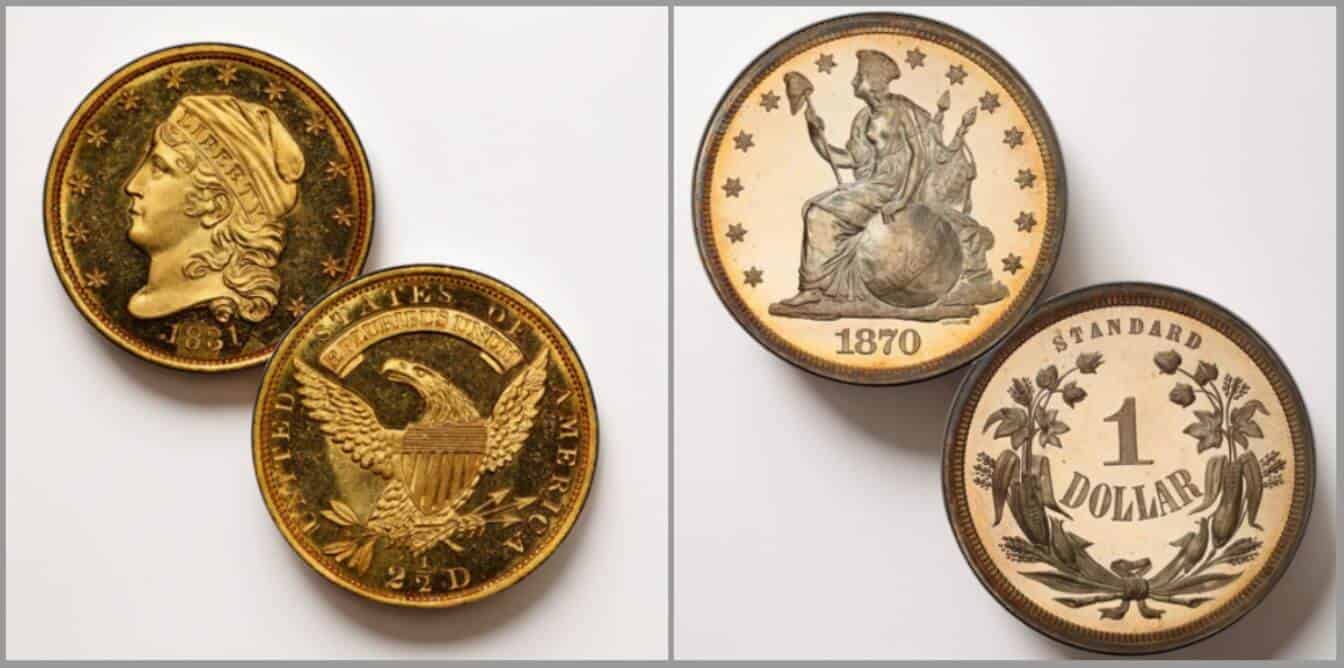
The story of proof coins begins in the early 1800s when the United States Mint produced these special pieces primarily as archival records and presentation pieces for government officials. These early proofs weren‘t intended for collectors – they served as quality control specimens to verify die accuracy and striking quality. The historical significance of these early proof sets cannot be overstated – they represent the finest examples of American coinage from each era.
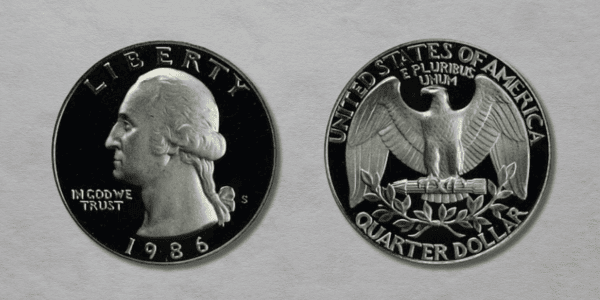
In 1936, the U.S. Mint began regular production of proof sets for collectors, marking a significant shift in numismatic history. Each coin received special treatment, struck multiple times on polished blanks to achieve an exceptional finish. The earliest sets from this modern era were packaged in cardboard holders with tissue paper – a far cry from today‘s protective cases.
The Artistry of Proof Manufacturing
The creation of a proof coin involves far more sophistication than many realize. While standard circulation coins receive a single strike at high speed, proof coins undergo a remarkably different process:
First, blank planchets undergo careful inspection and polishing before striking. Each blank receives manual treatment to remove any imperfections that might mar the final product. The polishing creates a mirror-like surface that becomes the coin‘s distinctive field.
The striking process itself requires extraordinary precision. The blanks receive multiple strikes under carefully controlled pressure – typically between two and six impacts. Between strikes, the dies undergo cleaning and inspection. This methodical approach produces the sharp detail and brilliant surfaces that characterize proof coins.
Modern proof production occurs in specially-controlled environments. The striking chamber maintains specific temperature and humidity levels to prevent contamination. Workers wear gloves to avoid leaving fingerprints that could cause toning or spots.
Market Analysis: Understanding Value Drivers
The proof coin market operates on several key factors that influence value. Rarity stands as perhaps the most significant driver – particularly for early proof sets where mintages were extremely limited. For example, the 1859 Six-Piece Gold Proof Set that sold for $851,875 represents one of very few complete sets known to exist.
Condition plays an equally crucial role. The grading scale for proof coins runs from PR60 to PR70, with PR70 representing absolute perfection. Even minor imperfections can significantly impact value. A single hairline on an otherwise pristine coin might reduce its grade – and value – substantially.
Historical significance adds another layer of value. Sets produced during transitional years, when coin designs or compositions changed, often command premium prices. The 1936 proof set marks the beginning of modern proof production, while the 1964 set represents the last year of 90% silver coinage in regular proof sets.
Most Valuable Sets: Case Studies
Let‘s examine some remarkable proof sets that have achieved extraordinary prices:
The 1856 Nine-Piece Proof Set, which sold for $199,750, represents a complete denomination range from that year. Each coin grades between PR64 and PR67, showing exceptional preservation. The set includes the rare Flying Eagle cent, adding particular significance.
The 1914 Nine-Piece Proof Set realized $149,500 at auction. This set‘s value stems partly from including gold denominations – from Quarter Eagle through Double Eagle. The exceptional strike quality and matching deep cameo contrast across all pieces make it particularly desirable.
The 1848 Seven-Piece Proof Set, achieving $105,000, demonstrates the premium value of pre-Civil War proof coinage. The set‘s survival in such high grades provides crucial documentation of early American minting capabilities.
Authentication and Preservation
Authenticating valuable proof sets requires considerable expertise. Modern counterfeiting techniques have become increasingly sophisticated, making professional certification essential. Reputable grading services like PCGS and NGC employ multiple authentication steps:
- Microscopic analysis of surface characteristics
- Metal composition testing
- Die variety verification
- Strike quality assessment
- Comparative analysis against known genuine specimens
Proper preservation remains crucial for maintaining value. Temperature and humidity control help prevent environmental damage. Avoid handling coins directly – even clean fingers leave oils that can cause toning. Store sets in appropriate holders that prevent contact between coins and protect against environmental factors.
Investment Strategies for Collectors
For those considering proof sets as investments, several strategies merit consideration:
Focus on quality over quantity. A single high-grade set often proves more valuable than multiple lower-grade examples. When selecting modern proof sets, look for perfect PR70 grades with deep cameo contrast.
Research historical performance. Track auction results and market trends through reliable sources. Understanding price movements helps identify potential opportunities and avoid overvalued items.
Consider specialization within the field. Some collectors focus on specific decades or denominations. Others pursue complete date runs of particular series. Specialized knowledge often leads to better acquisition decisions.
Regional Market Variations
The market for proof sets shows interesting geographic patterns. East Coast collectors often focus on early American proofs, while West Coast buyers frequently pursue modern issues. International collectors increasingly influence the market, particularly for gold proof sets.
Major auction centers like New York, Chicago, and Los Angeles typically see the highest prices for exceptional pieces. However, regional shows and dealers sometimes offer opportunities to acquire desirable sets at more reasonable prices.
Conservation and Maintenance
Professional conservation of proof sets requires specialized knowledge and techniques. Never attempt to clean proof coins – improper cleaning can destroy value instantly. If conservation becomes necessary, work only with recognized experts who understand proper methods.
Regular inspection helps identify potential problems early. Watch for signs of environmental damage or improper storage. Document condition changes and maintain detailed records of any conservation work performed.
Looking Forward: Market Trends
The proof coin market continues to evolve. Modern technology enables unprecedented strike quality, while limited editions create new collecting opportunities. Digital trading platforms have expanded market access, though personal inspection remains crucial for significant purchases.
Investment potential remains strong for carefully selected proof sets. Historical pieces maintain their appeal to serious collectors, while modern issues offer opportunities for newer market participants.
Remember that proof sets represent more than mere investments – they document our numismatic heritage through the finest examples of minting technology. Whether pursuing them as investments or collectibles, understanding their history, production, and market dynamics proves essential for success in this fascinating field.