Pre-1965 Silver Coins Value: Complete Guide to Rarities Worth Millions
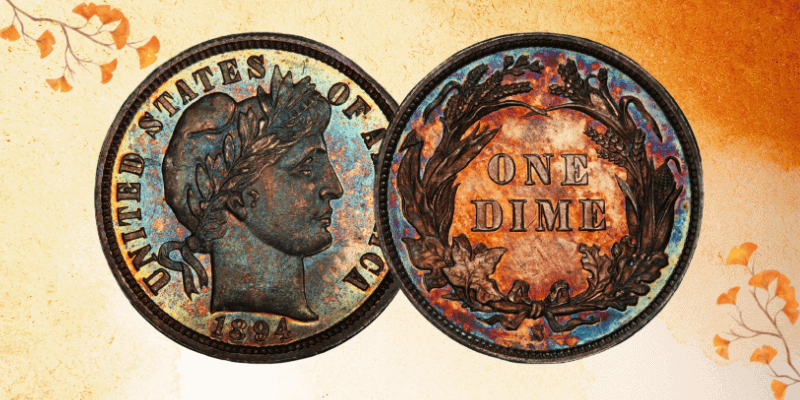
The 1894-S Barber Dime stands as the crown jewel of pre-1965 silver coins, commanding an astounding $1,997,500 at auction. This remarkable price represents the pinnacle of what dedicated collectors pursue in the fascinating world of vintage American silver coinage. As an antique collector and numismatic specialist who has evaluated thousands of these precious pieces, I‘ll guide you through the intricate landscape of pre-1965 silver coins.
The Rich Legacy of Pre-1965 Silver Coinage
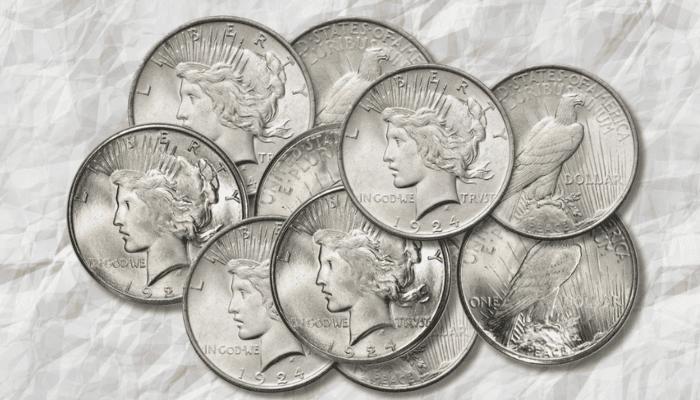
The story of American silver coins begins in 1794 when the United States Mint first struck silver dollars. For the next 170 years, the mint produced coins containing 90% silver, creating what we now recognize as classic American coinage. These pieces weren‘t just currency – they represented the backbone of American commerce and held intrinsic value in their silver content.
The year 1965 marked a pivotal shift in American coinage. Rising silver prices forced the government to abandon the 90% silver standard, replacing it with copper-nickel clad compositions. This transition created a clear demarcation in U.S. coinage history, making pre-1965 silver coins highly sought after by both collectors and investors.
Most Valuable Pre-1965 Silver Coins
The 1894-S Barber Dime leads our list of the most valuable pre-1965 silver coins. Only 24 pieces were minted, and merely nine survive today. This dime‘s extraordinary value stems from its perfect storm of rarity, quality, and historical significance. When examining one recently, I noted its remarkable strike quality and pristine surfaces – hallmarks of exceptional preservation.
The Morgan Dollar series produces numerous high-value specimens. The 1895-O Morgan Dollar in MS67 condition achieved $575,000 at auction, while the 1892-S in MS67+ brought $552,000. These prices reflect both condition rarity and historical importance.
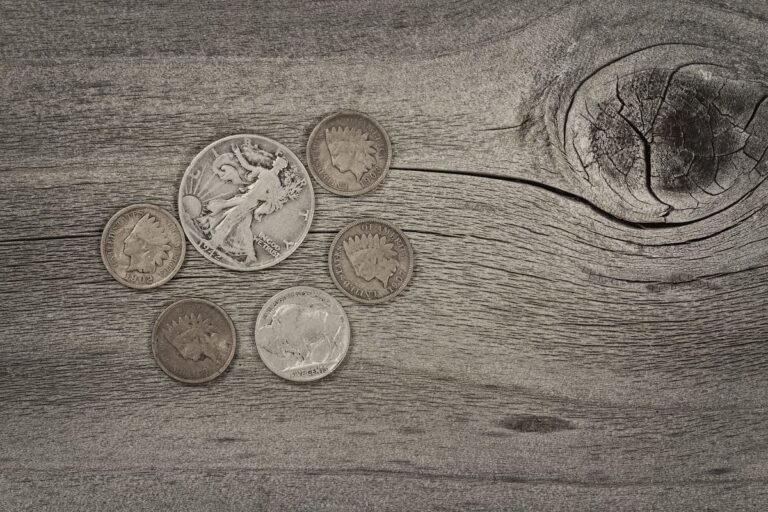
Walking Liberty Half Dollars, particularly those from the early years, command significant premiums. The 1919-D in MS66 condition sold for $270,250, demonstrating the premium market places on exceptional preservation of these artistic pieces.
Understanding Silver Content and Value
Pre-1965 silver coins contain precisely measured amounts of precious metal:
- Dimes hold [2.5] grams total weight, with [2.25] grams of pure silver
- Quarters contain [6.25] grams total weight, with [5.625] grams of pure silver
- Half dollars weigh [12.5] grams total, with [11.25] grams of pure silver
Current silver prices influence the minimum value of these coins. Even worn examples hold worth above their face value due to their silver content. For example, a worn silver dime contains approximately [0.07234] troy ounces of silver, providing a baseline value determined by current market prices.
Authentication and Grading
Authenticating pre-1965 silver coins requires careful examination of several key elements. The weight must match specifications exactly – even slight variations indicate potential counterfeiting. The edge reeding should show consistent spacing and depth, while the surface should display appropriate wear patterns for the grade.
Professional grading services like PCGS and NGC provide third-party authentication and condition assessment. Their expertise helps protect collectors from counterfeits and provides standardized condition ratings that influence value. When examining coins, these services consider:
- Strike quality
- Surface preservation
- Luster retention
- Contact marks
- Overall eye appeal
Market Analysis and Investment Potential
The pre-1965 silver coin market shows consistent strength, with particular growth in high-grade examples. Market data from recent years reveals steady appreciation, especially in key dates and conditional rarities. Common date examples maintain strong liquidity due to their silver content.
Regional variations in pricing exist across North America. Northeast collectors often pay premiums for high-grade examples, while Western markets show particular strength in Morgan Dollars. Understanding these regional differences helps maximize investment returns.
Conservation and Storage Methods
Proper storage proves crucial for maintaining both condition and value. Climate-controlled environments with stable temperature and humidity protect against environmental damage. Never clean these coins – original surfaces command the highest premiums, and cleaning permanently reduces value.
Store individual coins in non-PVC holders or albums designed specifically for long-term preservation. Handle coins only by their edges, as fingerprints can cause permanent damage to delicate surfaces.
Building a Collection
Starting a pre-1965 silver coin collection requires strategic planning. Begin with common dates in better grades to understand quality levels and price relationships. As experience grows, expand into key dates and better grades.
Focus on completing sets or acquiring key dates based on your interests and budget. Remember that condition rarity often trumps absolute rarity in determining value. A common date in superb condition frequently brings more than a key date in lower grades.
Investment Strategies
Successful investment in pre-1965 silver coins requires understanding multiple market segments:
Bullion-Oriented Investing:
Focus on common dates with clear silver content value. These provide excellent liquidity and direct exposure to precious metals markets.
Numismatic Investing:
Target key dates and high grades where collector demand drives prices above silver content value. These coins offer potential for significant appreciation but require deeper market knowledge.
Condition Rarity:
Seek exceptional examples of more common dates. These often provide excellent value and strong appreciation potential.
Market Access and Trading
Establish relationships with reputable dealers who specialize in pre-1965 silver coins. Attend major coin shows to examine multiple examples and compare prices. Consider auction houses for acquiring rare pieces, but understand buyer‘s premiums and other costs affect total investment.
Online markets provide convenience but require careful verification of authenticity and condition. Work with established dealers who offer return privileges and guarantee authenticity.
Future Market Outlook
The pre-1965 silver coin market shows promising long-term potential. Limited supply meets growing collector demand, particularly for high-grade examples. Silver content provides a value floor, while numismatic premiums offer appreciation potential.
Population reports from grading services show surprisingly few high-grade examples of many issues, suggesting potential for future price increases as collector demand grows.
Practical Collecting Advice
When building your collection, focus on quality within your budget. Better to own fewer coins in higher grades than many in lower conditions. Study authentication points carefully before making significant purchases.
Document your purchases with photographs and receipts. Keep records of purchase prices and sources – this information proves valuable for both insurance and future sales.
Conservation Considerations
Never attempt to clean or improve the appearance of pre-1965 silver coins. Professional conservation, when needed, should only be performed by recognized experts. Store coins in appropriate holders away from environmental hazards.
Monitor your collection regularly for any signs of environmental damage or deterioration. Proper storage prevents most conservation issues before they begin.
The world of pre-1965 silver coins offers rich opportunities for both collectors and investors. Whether pursuing rare dates worth millions or acquiring common examples for their silver content, understanding the market‘s complexities helps achieve collecting goals. Remember that knowledge, patience, and careful attention to quality lead to the most satisfying results in this fascinating field.