What is a Mint Mark on a Coin? How Mint Marks Indicate Where Coins Are Struck
When examining an old coin under proper lighting, you might notice a tiny letter tucked beneath the date or discretely placed on the reverse side. This small but significant mark holds the key to understanding your coin‘s origin, authenticity, and value. As an antique collector with three decades of experience handling rare coins, I find these mint marks tell fascinating stories about monetary history and coin production.
The Origins and Evolution of Mint Marks
The practice of marking coins dates back to ancient Greece, where skilled artisans first implemented a system to track coin production. In Athens, master die engravers would add subtle marks to identify their work, creating accountability in the monetary system. The Romans expanded this practice across their vast empire, using an intricate system of mint marks to manage coin production from Britain to Egypt.
During medieval times, European mints developed increasingly sophisticated marking systems. The Tower Mint in London marked its coins with distinct symbols, while German states used elaborate mint mark combinations to prevent counterfeiting. These historical practices laid the foundation for modern mint marking systems.
Understanding Modern Mint Marks
In the United States, the story of mint marks begins with the Coinage Act of 1792. The Philadelphia Mint, established as the nation‘s first coining facility, initially produced unmarked coins. This practice reflected Philadelphia‘s status as the primary mint, though it would later adopt the "P" mint mark in 1979.
Today‘s U.S. mint marks tell a complex story of American coinage:
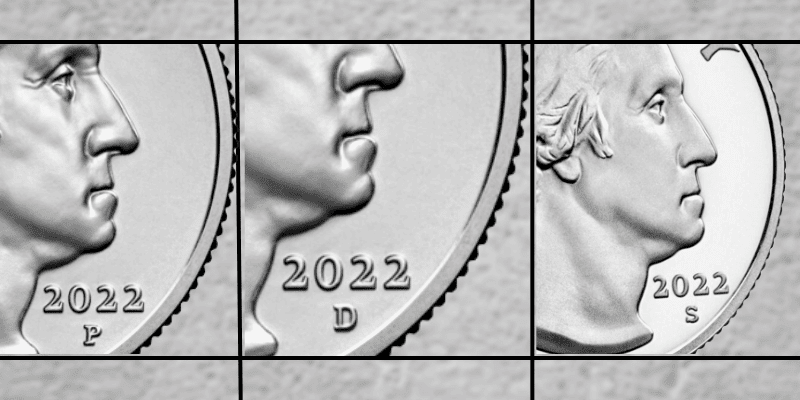
The Philadelphia Mint (P) represents tradition and innovation, producing coins since the nation‘s founding. Walking through its halls, you can still feel the weight of history in the air. The Denver Mint (D) began operations in 1906, bringing coin production to the American West. Its coins often show distinctive striking characteristics that experienced collectors can identify by touch.
San Francisco (S) gained prominence during the Gold Rush era, producing some of the most sought-after coins in American numismatics. The newer West Point facility (W) focuses on commemorative and bullion coins, though it occasionally produces circulation strikes that command premium prices.
The Technical Side of Mint Marks
Examining mint marks requires attention to precise details. Modern mint marks are struck into the die, creating raised letters on finished coins. Historical mint marks show fascinating variations – some were punched by hand, creating subtle differences that help authenticate rare pieces.
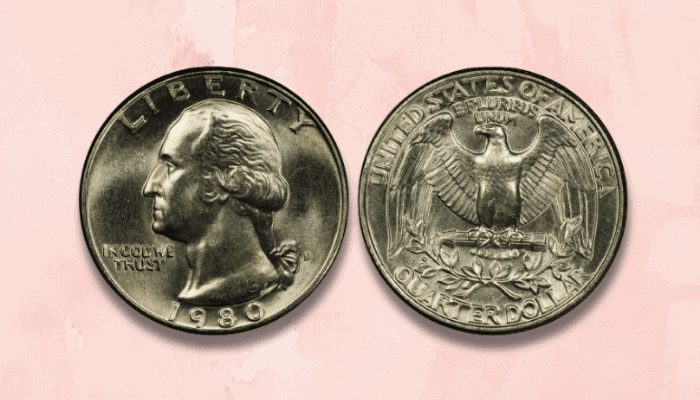
The placement of mint marks evolved significantly. Before 1968, most appeared on the reverse of U.S. coins. The shift to the obverse side marked a significant change in production methods and anti-counterfeiting measures. Today‘s mint marks undergo strict quality control, with precise positioning requirements measured in millimeters.
Authentication and Value Assessment
Authenticating mint marks involves multiple technical considerations. Under magnification, genuine mint marks show specific characteristics:
- Consistent depth and relief
- Proper metal flow patterns
- Integration with surrounding design elements
Modern counterfeits often fail to replicate these subtle features. Using a quality loupe, examine the edges of the mint mark for signs of tooling or manipulation. Authentic marks flow naturally into the coin‘s surface, while added or altered marks often show disruption of the surrounding field.
Market Dynamics and Collection Strategy
The market for mint-marked coins operates on multiple levels. Common date coins with standard mint marks trade primarily on condition and metal content. Rare combinations, like the 1909-S VDB Lincoln Cent, command significant premiums based on historical significance and limited production numbers.
Regional variations affect market values significantly. Western collectors often pay premiums for Carson City (CC) mint marks, while Southern collectors seek New Orleans (O) pieces. Understanding these regional preferences helps build valuable collections.
Investment Considerations
Investing in mint-marked coins requires careful analysis of multiple factors:
Historical Significance: Coins from closed mints often appreciate faster than those from operating facilities. The Carson City mint, which operated from 1870 to 1893, produced coins that consistently outperform the market.
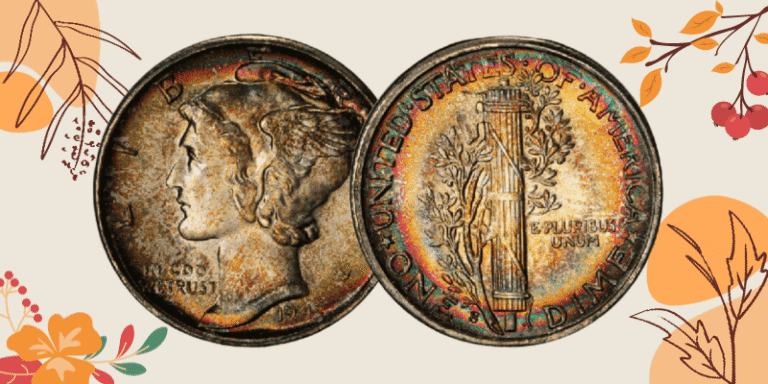
Production Numbers: Low mintage years combined with specific mint marks create valuable combinations. The 1916-D Mercury Dime exemplifies this principle, with only 264,000 pieces struck.
Condition Rarity: Some mint marks are common in circulated grades but rare in mint state. The 1909-S Indian Head Cent presents this pattern, with uncirculated examples commanding substantial premiums.
Conservation and Preservation
Proper conservation of mint-marked coins requires careful attention to environmental factors. Store coins in temperature-controlled environments, maintaining consistent humidity levels between 35-45%. Use high-quality holders that prevent chemical reactions with the coin‘s surface.
Never clean mint-marked coins – original surfaces preserve value and authenticity. Even light cleaning can damage the delicate area around mint marks, reducing both collector appeal and market value.
Building a Specialized Collection
Creating a focused collection of mint-marked coins offers numerous approaches. Some collectors pursue complete mint mark sets for specific years, while others focus on individual mints across multiple denominations.
Consider starting with a specific series and mint mark combination. Morgan Dollars from the Carson City mint provide an excellent entry point, offering historical significance and strong market demand.
Market Analysis and Future Trends
Current market trends show increasing sophistication among collectors regarding mint marks. Premium prices for condition rarity continue rising, while common date material remains relatively stable. The market particularly values original, unmolested coins with clear, distinct mint marks.
Digital trading platforms have expanded market access, but also increased competition for rare pieces. Authentication services play an increasingly important role, with certified coins commanding significant premiums over raw examples.
Practical Collecting Advice
Success in collecting mint-marked coins requires patience and education. Build relationships with reputable dealers who specialize in your areas of interest. Study authentic examples whenever possible, developing the eye and touch to recognize genuine pieces.
Document your purchases carefully, maintaining records of acquisition dates, sources, and prices paid. These records prove invaluable for insurance purposes and future sales.
Looking Forward
The field of mint mark collecting continues evolving with new technology and market dynamics. Digital authentication methods supplement traditional techniques, while global markets create new opportunities and challenges.
Understanding mint marks opens windows into monetary history while providing crucial tools for building valuable collections. Whether pursuing historical significance or investment potential, knowledge of mint marks remains fundamental to informed collecting decisions.
Remember, each mint mark tells a story – of production methods, economic conditions, and human ingenuity. As you build your collection, you become part of this continuing narrative, preserving historical knowledge for future generations.