iPhone vs. Android: Which is Better in 2025?
These days, smartphones are literally everywhere, and it seems that you cannot move more than three feet in a public space without seeing one. However, despite their ubiquitous nature, there are mostly two types of phones: Android and iPhone. These two have the vast, vast majority of the worldwide market share and are used by most people in the western world. Indeed, among each group, there is a constant debate: Which is better? Which has better features, a more affordable cost, a better performance, or a camera that works?
While many of these questions are matters of personal preference, some conclusions absolutely can be drawn.
Apple iPhone 15 / 128GB / Black – MTLV3LL/A (SIM Free)
- Dynamic Island display
- Extremely durable
- All-new 48MP main camera
- Great color
iPhone vs. Android: Side-by-Side Comparison
| Feature | iPhone | Android |
|---|---|---|
| Latest Models | iPhone 15 line | Samsung Galaxy S24, OnePlus, Xiaomi, and more |
| Operating System | iOS | Various versions of Android |
| Design | Notable design choices made by Apple | Wide range of design options from various manufacturers |
| Price Range | Generally higher average selling price | Wide range of price points, including more budget-friendly options |
| Ecosystem | Tight integration with Apple’s ecosystem, including seamless connectivity with other Apple devices | Greater flexibility and compatibility with a wide range of devices and platforms |
| App Store | App Store offers curated apps with a focus on quality and security | Google Play Store provides a vast selection of apps, including more customization options |
| Customization | Limited customization options compared to Android | High level of customization, including widgets, launchers, and other personalization options |
| Updates | Timely software updates for a significant number of devices | Varied update availability, influenced by manufacturer and carrier policies |
| Camera Quality | Consistently high-quality cameras with advanced features | Diverse |
iPhone vs. Android: Key Differences

iPhones are actual phones, whereas Android is simply the software used for the operating system on other types of phones.
There isn’t exactly a one-and-only Android phone the same as there is an iPhone. Android is technically an operating system. It can be installed on virtually any smart device that can load it, including various phones, tablets, computers, and more.
iOS, the operating system powering iPhones and iPads, is the closest equivalent to the Android system found on any Samsung, Google, or other smartphone. We’ll break down the key differences between both of these operating systems as well as the differences specific to the phones themselves.
Customization
Android offers a wide range of customization options, allowing you to personalize your devices according to your exact tastes. With Android, you can change your device’s theme, customize the home screen layout, add widgets, and choose from a variety of launchers and icon packs to change the overall look and feel of your device.
In many Android devices, you also have the freedom to install apps from sources other than the Google Play Store. Though, in some devices, you might have to change your security or developer settings to make any real tweaks.
On the other hand, iOS provides limited customization options by default. You can change your wallpaper, rearrange app icons on the home screen, and create folders to organize your apps. However, the level of customization is relatively restricted compared to Android.
Default Browser
Android devices typically come with Google Chrome as the default web browser. Google Chrome is a popular browser known for its fast performance, synchronization capabilities across devices, and extensive range of features.
In contrast, Safari is the default web browser on iPhones. We know Safari for its smooth performance, privacy features, and seamless integration with other Apple devices. However, both systems let you use something else as your default browser, such as Firefox, Opera, Brave, or others.
- Super fast and secure
- 6.7-inch Super Actua display
- Battery can last over 24 hours
- Very advanced security and safety features
Virtual Assistant
Virtual assistants have become a prominent feature in smartphones, and Android utilizes Google Assistant as its default virtual assistant. Google Assistant is an AI-powered assistant that offers a wide range of functionalities and capabilities.
You can interact with Google Assistant through voice commands to set reminders, send messages, make calls, search the web, and control smart home devices. With its deep integration with Google’s services and extensive knowledge base, Google Assistant makes for a dependable virtual assistant experience.
On the other hand, iPhone users have Siri as their virtual assistant. Siri is Apple’s AI-powered assistant that helps users perform various tasks using voice commands. Like Google Assistant, Siri can set reminders, send messages, make calls, search the web, and provide information on various topics.
Accessories and device ecosystem
Both iOS and Android devices come with a countless array of accessories and add-ons. These accessories vary widely. You have things like headphones — Airpods for iPhone, Pixel Buds for Google — plus countless other accessories from third-party developers.
If you want the best integration with the Apple ecosystem, your best experience will be if you’re using an iPhone or iOS device. But that doesn’t mean that you can’t also connect your Apple accessories to your Android phone. You can typically connect your AirPods to your Samsung or Google phone — just as easily as you can connect Pixel Buds or Beats to your iPhone.
Availability

Android is available on a wide range of mobile devices, including smartphones and tablets. Numerous manufacturers produce Android devices, with Samsung, Vivo, OnePlus, and Google’s Pixel devices among the top players in the market.
Android’s open-source nature allows manufacturers to customize and adapt the operating system according to their hardware specifications and user preferences.
This leads to a diverse ecosystem of Android smartphones with different price points, features, and design choices. You have much greater freedom when selecting what you want your device to look like, perform like, and cost.
In contrast, iOS is exclusively available on Apple devices, including the iPod Touch, iPhone, iPad, and Apple TV. Apple follows a closed ecosystem approach, designing both the hardware and software for the best possible integration between the two.
This tight control over the ecosystem allows Apple to optimize the user experience and ensure consistency across its devices. However, the limited availability of iOS restricts users to Apple’s product lineup when choosing a device running iOS.
iPhone vs. Android: Which Is Better?
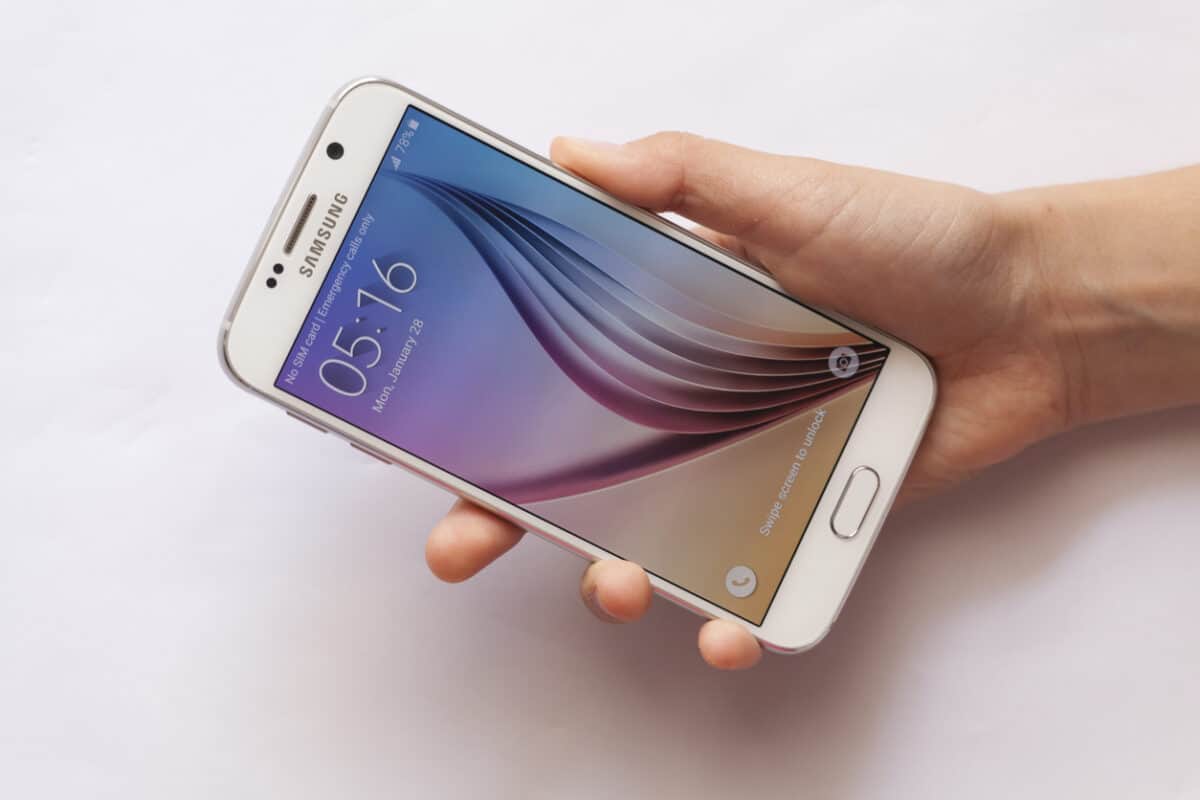
There is not necessarily a “better” here. Both phones come with their positives and their negatives, and absolutely die-hard supporters who stand behind their choice no matter what.
iPhone, as a comprehensive phone, offers an array of features that are top-of-the-line. They also offer nearly constant upgrades and integration with other Apple products. However, users on the other side of the coin absolutely hate Apple and prefer the Google integration of Android devices.
Furthermore, since Android is an operating system rather than a phone, it allows you to pick from any number of different brands and models that run that system. Do you want a basic $100 phone? There is an Android for you. Do you want a phone that flips or folds? There is also an Android for you.
Plus, the numbers don’t lie when it comes to overall popularity. As we explored in a recent article, Android is the most popular OS, with a market share of over 70%. Slowly but surely, iOS is catching up, with over 200 million iPhones sold in 2023, up to over 2.2 billion since the first iPhone launch in 2007.
- 200MP camera
- Video stabilization
- Built-in S Pen can convert handwriting to text
- 5G cellular technology
Frequently Asked Questions
Which is better, Android or iPhone?
There is no set answer here. It comes down to personal preferences and which features of which devices a user likes better.
What can Android do that iPhone can't?
There are some features that an Android has that an iPhone doesn’t. This includes guest account, password sharing for WiFi, being able to be sold on different phone brands, physical storage upgrades, and more.
What are the benefits of the iPhone over Android?
iPhone devices have the best camera on the market today. Other features include use of the iOS, stronger security protections, easily upgradable security, and more