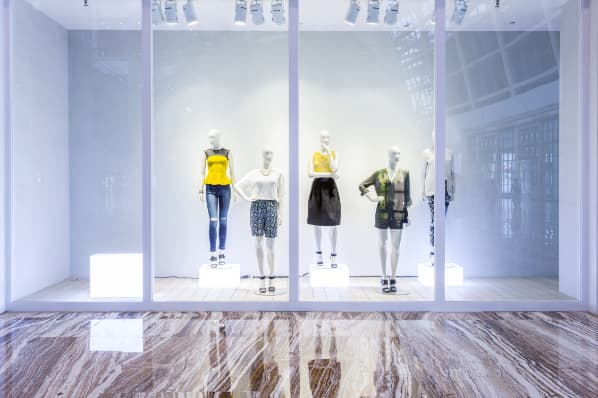
5 Pro Tips for Creating Window Displays That Sell [+ Examples]
When it comes to brick-and-mortar retail, your store window is prime marketing real estate. It‘s the first point of contact with potential customers and has the power to either draw them in or turn them away. In fact, over 30% of consumers say they‘ve been drawn into stores simply because of eye-catching window displays.
But in a world where consumers are bombarded with visual stimuli from all angles, creating a window display that actually converts can be a challenge. It‘s not enough to just showcase your products – you need to tell a compelling story, evoke emotion, and give customers a taste of the lifestyle your brand promises.
Having worked with dozens of retail clients on their visual merchandising strategies, I‘ve seen firsthand what separates window displays that fizzle from those that sizzle. Here are my top 5 tips for creating windows that wow customers and drive sales:
1. Know Your Customer Inside and Out
Before you start brainstorming ideas for your next window display, hit the pause button and ask yourself: how well do I really know my target customer? What are their desires, pain points, values and aspirations? What kind of lifestyle are they seeking?
Conducting a deep dive into your customer avatar is crucial for crafting displays that resonate on an emotional level. Every element – from the color palette to the props to the messaging – should be carefully chosen to appeal to your ideal customer‘s sensibilities and psychology.
For example, when luxury fashion brand Burberry redesigned their flagship store in London, they put their target customer (the modern, jet-setting millennial) at the heart of their window concept. Displays featured young, diverse models in exotic locations wearing Burberry signature pieces, painting an aspirational picture of a well-traveled, cosmopolitan lifestyle.
By tapping into their customers‘ wanderlust and positioning their clothing as essential gear for a globetrotting life, Burberry was able to create an emotional pull that went far beyond just showing off products.
Actionable Tip: Create a detailed customer persona document that outlines your target customer‘s demographics, psychographics, goals, challenges and influences. Refer back to this document when planning your window displays to ensure every decision ladders up to your customer profile.
2. Tell a Story That Transports
The most memorable window displays do more than just showcase products – they tell a cohesive story that transports the viewer to another world. They create a mini-narrative or moment in time that customers can imagine themselves stepping into.
Anthropologie is a master of this storytelling approach. Their lavish, theatrical windows often resemble elaborately-styled living spaces, complete with furniture, decor and whimsical details that bring the scene to life. The clothing and accessories are artfully layered in as a natural part of the environment.
These displays work because they sell more than just products – they sell an entire aesthetic and lifestyle. Customers can envision that beautifully curated living room in their own home, and see Anthropologie‘s offerings as a means to achieve that look.
Other powerful story archetypes to explore in your windows include:
- Seasonal stories: tap into the sights, sounds and rituals of a given season to create timely emotional resonance (e.g. a cozy fireplace scene for winter, a beach picnic tableau for summer)
- Location-based stories: transport viewers to an aspirational setting, like Paris or Tuscany, and show how your products fit into that world
- Fairy tale or fantasy-based stories: use playful imagery and motifs to create an enchanting, otherworldly feel that sparks imagination
Actionable Tip: Develop a cohesive "story statement" for your window display before you start sourcing items or building it out. Every element should tie back to this central narrative.
3. Create Contrast and Surprise
Our brains are wired to notice contrast and novelty – it‘s an evolutionary trait that helped our ancestors spot potential threats or mates in their environment. As a visual merchandiser, you can leverage this human instinct by introducing unexpected and eye-catching elements into your window displays.
Contrast can be achieved through:
- Color: juxtapose lights and darks, complementary hues, or muted and saturated tones for visual pop
- Texture: mix shiny and matte, smooth and rough, hard and soft materials
- Scale: play with proportions by featuring oversized props or miniatures
- Style: blend contrasting aesthetics, like vintage and modern or industrial and glam
For example, for the holidays, NYC department store Bergdorf Goodman created dazzling jewel-toned window displays inspired by the American Museum of Natural History‘s gem collection. Gigantic renderings of emeralds, rubies and topaz in mirror and metal finishes were combined with crimson and purple-hued fashion looks. The end result was a fresh, modern and arresting take on traditional holiday colors.
Another way to grab attention through surprise is by telling an unexpected brand story in your windows. For example, adventure gear retailer REI made waves with their "OptOutside" campaign, where they shuttered stores and blacked out windows on Black Friday (the biggest retail day of the year), encouraging customers to enjoy the outdoors instead of shopping.
While this move was bold and unconventional, it perfectly aligned with REI‘s brand values and struck an emotional chord with their nature-loving customer base. Sometimes the most impactful story you can tell is one that challenges the status quo.
Actionable Tip: Audit your current window displays and look for opportunities to create more visual contrast or intrigue. Don‘t be afraid to experiment with unexpected colors, textures or themes – the key is to be disruptive in a way that‘s still authentic to your brand.
4. Guide the Eye with Visual Hierarchy
Just like any good design, effective window displays lead the viewer‘s eye on an intentional journey. You want to create a clear visual hierarchy, drawing attention first to a focal point, then guiding customers through the rest of the scene in order of importance.
The focal point is typically your key product or visual anchor – something big, bright and intriguing enough to serve as the "hero" of your display. It‘s the first thing you want people to notice from across the street or down the sidewalk.
Place this focal point at eye-level (typically around 5 feet high) and build your display around it in a triangular, pyramid or asymmetrical composition. These layouts create a sense of dynamism and flow compared to a flat, linear arrangement.
Use lighting to further accentuate your focal point and create depth. Spotlights, backlighting and even neon accents can add dimension and make key elements pop.
To test the effectiveness of your product hierarchy, assess your display from the sidewalk and see what grabs your attention first, second and third. Adjust your composition until the eye flow feels natural and intuitive.
Actionable Tip: Use the squint test to quickly gauge your window‘s hierarchy. Stand back and squint your eyes until the display is slightly blurred – whatever jumps out first is your focal point. If it‘s not what you want customers to focus on, rearrange accordingly.
5. Measure, Analyze and Optimize
Finally, to continually craft window displays that drive maximum foot traffic and sales, you need a way to measure their impact. While it can be tricky to isolate the effect of window displays on overall store performance, there are a few key metrics worth tracking:
- Foot traffic: use automated foot traffic counters or manual clicker counts to track how many people pass by your windows in a given period
- Admission rate: calculate the percentage of passersby who enter your store (total visitors ÷ total passersby)
- Engagement: note how many people stop and engage with your windows each day (taking photos, pointing, discussing with companions)
- Sales: measure any increase in sales of featured products or overall store sales during the window‘s lifespan
By tracking these metrics over time and A/B testing different display concepts, you can start to understand what resonates most with your customers and double down on those themes or tactics.
For example, J.C. Penney used video analytics to determine that displaying multiple color options of key items in their windows increased engagement and sales over showing a single color. They‘ve since made this a staple part of their window merchandising strategy.
Measuring window performance becomes even easier with the latest IoT and AI technologies. Solutions like Dor use thermal sensors to provide real-time data on foot traffic, storefront conversion and even customer demographics. Armed with these granular insights, retailers can optimize their displays like never before.
Actionable Tip: Start tracking your window display metrics and set benchmarks for success. Measure each new display against these benchmarks and look for positive or negative trends. Don‘t be afraid to test out totally new concepts and see how they perform – even displays that flop can generate valuable learnings.
The Art and Science of Window Displays
Crafting high-converting window displays is both an art and a science – a delicate blend of creativity, psychology and data. By deeply understanding your customers, telling transportive stories, embracing contrast, guiding the eye, and measuring impact, you can turn your windows into your most powerful marketing channel.
Remember, your goal isn‘t just to showcase products, but to spark imaginations. To give customers a tantalizing glimpse into the lifestyle and self-image they can achieve by stepping inside your store.
With these tips in your toolkit, you‘re well on your way to creating retail windows that are as strategic as they are show-stopping. So go forth and let your creativity shine – your customers (and your bottom line) will thank you.
![5 Best Answers to "Why Do You Want to Work Here?" [+ Why They Work]](https://greenlitcontent.com/wp-content/uploads/2026/04/20260423060022-69e9b5769bc3c.jpg)