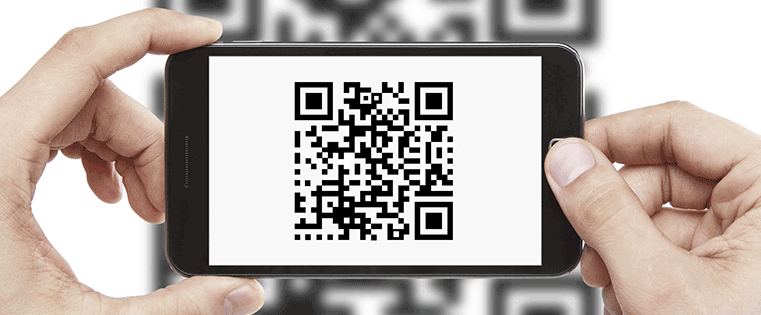
Are QR Codes Dead? What Marketers Need to Know in 2024
Remember when QR codes were everywhere? Just a decade ago, those distinct black-and-white squares were being slapped on everything from billboards to ketchup bottles.
Originally developed in 1994 by Denso Wave, a Japanese auto parts supplier, to track vehicles during manufacturing, QR codes gained a new life in the late 2000s. As smartphones went mainstream, marketers seized on QR codes as a novel way to connect physical items to digital content. Brands like Nike, Walmart, and Starbucks plastered them on ads, posters, mailers, and product packaging.
By 2011, QR codes were being heralded as a game-changing technology that would bridge the offline and online worlds. Magazine ads with QR codes increased by 5% year-over-year. Even airlines and Angry Birds got in on the trend.
But a decade later, the days of QR codes seeming to be everywhere are long gone. When was the last time you actually scanned one? If you‘re like most people, your answer is probably "never" or "I can‘t even remember."
So what happened to the humble QR code, and why did it fail to live up to its hype as a marketing game-changer? Were those declaring them as "the future" just fooling themselves? Let‘s crack the code on whether QR codes are officially dead or still hanging on.
The Rapid Rise and Slow Death of QR Codes
QR codes were intended to solve a core challenge for marketers – how to seamlessly connect real-world ads, signage, and product packaging to mobile-friendly digital content. In theory, QR codes would turn the whole world into a clickable link that could drive traffic, brand engagement, app downloads, and more.
The problem? Consumers never quite caught QR fever in the way many marketers anticipated. Adoption and regular usage remained stubbornly low:
| Year | Percent of Mobile Users Scanning QR Codes |
|---|---|
| 2011 | 6.2% |
| 2012 | 9.4% |
| 2013 | 8.1% |
| 2014 | 6.4% |
(Sources: comScore, Statista)
Even at their peak around 2012, over 90% of mobile users still weren‘t scanning QR codes regularly. And as smartphone penetration grew from 35% in 2011 to 81% in 2016, QR code adoption didn‘t grow with it, instead declining back to around 6%.
This data suggests QR codes never expanded beyond a niche behavior among a small slice of tech-savvy early adopters. The vast majority of consumers simply ignored them. As Ilya Vedrashko, then a director at ad agency Hill Holliday, warned back in 2011:
"The ugly truth about QR codes is that for most real-world applications, they are unnecessary. There are simply better and more user-friendly ways of accessing content."
So where did QR codes go wrong? After all, on paper, they seemed to check all the boxes of an ideal marketing tool: measurable, cost-effective, versatile, and perfect for the mobile age. But theory crashed into reality:
-
Inconvenient user experience – For users, QR codes were simply a hassle. Scanning one required downloading a special app, opening it, holding your camera steady, and waiting for the page to load. Why bother when you could just type in a URL? Sessions from QR codes had a 3.41% bounce rate.
-
Lack of a value proposition – Most QR codes just dumped users onto a generic website or landing page that wasn‘t optimized for mobile. There was no real incentive or payoff for scanning. Only 1/5 of users said QR codes improved their shopping experience.
-
Poor implementation – Marketers made critical mistakes with how they deployed QR codes. They put them on subway posters with no WiFi, on TV commercials that disappeared after a few seconds, and on highway billboards that were impossible to scan at 65 mph. Up to 90% of QR code placements were actually considered unscananable.
-
Branding and trust issues – Generic black-and-white QR codes didn‘t match most brands‘ aesthetics and seemed suspicious. A Harris poll found 2/3 of people were wary of scanning QR codes because they didn‘t know where the code would take them.
-
Better alternatives – It turns out placing short, memorable URLs in ads accomplished the same thing as QR codes, but without the scanning friction. Average URL visit durations are 3x that of QR code visits.
The Current State of QR Codes
So have QR codes been officially declared dead? The answer is somewhat mixed.
On one hand, QR code scanning has definitely fallen off a cliff since its heyday in the early 2010s. According to the UK‘s Internet Advertising Bureau, marketers‘ adoption of QR codes in ads declined from 63% in 2012 to just 8% by 2017. Even major QR advocates like Macy‘s and Target stopped using them in marketing.
And culturally, QR codes have become something of a joke – a punchline about misguided 2010s marketing fads. For example, when Coinbase‘s 2022 Super Bowl ad featured a mysterious bouncing QR code, it sparked a wave of memes and mockery.
However, QR codes aren‘t completely extinct. They‘re still sometimes used effectively for certain functions:
-
Payments and transactions – QR codes are popular for mobile payments, especially in Asia. In China, over 80% of people use QR codes for payments.
-
Tickets and boarding passes – Many airlines and events have replaced printed tickets with QR codes to enable contactless entry.
-
Product packaging – Some brands use QR codes on product labels to deliver information, coupons, or entertainment to customers post-purchase.
-
COVID-related uses – QR codes got a mini-resurrection during the pandemic for things like restaurant menus and contact tracing to enable touchless interactions.
In these cases, scanning a QR code performs a clear, valuable function and provides more convenience than the alternatives. There‘s an obvious benefit to the end user beyond just opening a website.
For broad marketing purposes though, QR codes seem to be a dying breed. Most have been replaced by other mobile technologies like NFC tags, Bluetooth beacons, geofencing, social media integrations, and good old-fashioned URLs.
The Future of QR Codes & What‘s Next
So if QR codes are fading away as a marketing tactic, what‘s next? Marketers still need ways to connect physical items and locations to digital experiences. These are some of the leading alternatives:
-
Near Field Communication (NFC) – Small NFC tags can transmit data to and from smartphones held within a few centimeters. Tapping an NFC chip is faster and easier than scanning a QR code.
-
Bluetooth Beacons – Beacons are small devices that transmit Bluetooth signals to nearby smartphones. They can detect nearby devices and send push notifications or trigger location-specific content.
-
Geofencing – GPS-based geofencing can display specific mobile content when users enter a defined geographic area, down to a single storefront. 92% of smartphones are compatible with geofencing.
-
Social Media Codes – Snapchat and Facebook offer their own versions of scannable codes that link to profiles and digital content within each app. 71% of consumers say they would scan a Snapcode.
-
Branded Short Links – Rather than a random QR code, many brands now use branded shortlinks or "app clips" that are easy to remember and type in. Short branded links boost click-through rates by up to 39%.
What these alternatives have in common is that they create a more seamless, integrated experience and better fit how people actually use their smartphones. Opening a camera app to scan a blocky barcode is clunky compared to the instant gratification of an NFC tap or location-targeted notification.
Tips for Using QR Codes in 2023
Now, this doesn‘t necessarily mean marketers should completely abandon QR codes. When implemented thoughtfully, they can still drive results in the right contexts. If you do plan to use QR codes in your 2023 marketing, here are some tips:
-
Provide a clear value proposition – Give people a compelling reason to scan your QR code, like unlocking an exclusive video or claiming a limited-time discount. The code itself isn‘t enough of a hook on its own.
-
Optimize for mobile – QR codes should direct users to mobile-first content like apps, SMS, or mobile-optimized sites. Avoid non-optimized desktop sites at all costs.
-
Make scanning easy – Place QR codes in convenient, intuitive spots like product packaging or store signage. Include brief instructions for scanning and a short URL as an alternative.
-
Use custom branded codes – Generic QR codes are ugly and suspicious. Use a branded link shortener or stylized QR generator to create codes that match your visual identity.
-
Offer incentives – Reward people for scanning with a coupon code, free sample, or contest entry. Make the process feel fun and worthwhile.
-
Track and measure – Use unique codes for each placement so you can A/B test designs and track which ones generate the most scans and engagement. Leverage QR code data for retargeting and personalization.
When done right, QR codes can still serve a purpose. But in most cases, marketers are better off exploring newer mobile technologies that create more user-friendly, streamlined experiences.
QR Codes: 2010s Fad or 2020s Comeback?
While QR codes aren‘t completely dead, they‘re certainly not the marketing darlings they were a decade ago. Most consumers view them more as a dated gimmick than a go-to way to engage with brands digitally.
Ultimately, QR codes are a cautionary tale about shiny object syndrome in marketing. Just because a technology seems nifty and futuristic doesn‘t mean consumers will automatically adopt it en masse.
For QR codes, the friction and annoyance of scanning never matched the payoff for most users. The rare exceptions were when QR codes performed a specific, valuable utility like enabling a payment or delivering a ticket.
As we move further into the 2020s, marketers are unlikely to make QR codes a core part of their digital strategy again. The focus has shifted to the next generation of mobile tech like NFC, Bluetooth beacons, and geofenced apps that invisibly bridge digital and physical experiences.
QR codes were a bold attempt to turn the real world into a clickable interface. But it turns out people don‘t want to treat the world like a giant barcode. Sometimes tech-driven tactics that seem revolutionary on paper just don‘t match human behavior in practice.
So while the ghost of QR codes may still appear on the occasional movie poster or menu, their mainstream moment as a marketing sensation is likely long gone. It‘s time to finally declare "case closed" on the QR code mystery and look ahead to mobile innovations that people will actually use.