Why the Creator Economy is a Massive Opportunity for Marketers
The way people consume content is changing fast. With so much noise online, audiences are increasingly seeking out authentic voices who speak directly to their specific interests. They crave real personalities and niche expertise over polished brand messaging.
This shift has fueled the explosive rise of the creator economy. Once dismissed as a fringe movement, the creator economy has grown into a $100B+ industry that is rapidly reshaping the media and marketing landscape.
As a marketer, if you‘re not actively partnering with creators to engage your audience, you‘re missing out on one of the biggest growth opportunities of the next decade. In this post, I‘ll dive into why the creator economy presents such a breakthrough for brands, and how you can start tapping into it.
The Creator Economy is Booming and Changing Everything
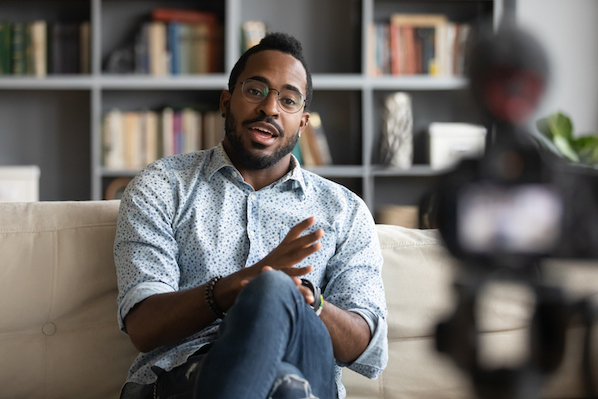
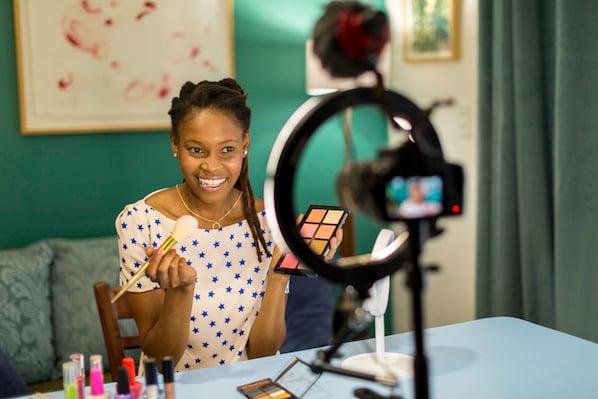
First off, let‘s define our terms. The "creator economy" refers to the millions of independent content creators, curators, and community builders who leverage online platforms to engage niche audiences and monetize their skills. This encompasses bloggers, podcasters, videographers, social media influencers, newsletter writers, course instructors, and more.
The creator economy was already a fast-growing movement before 2020. But pandemic lockdowns poured rocket fuel on the trend. With people craving connection and entertainment, engagement with digital creator content exploded.
The numbers speak for themselves:
- There are now over 50 million content creators globally (SignalFire)
- 2 million+ creators earning a full-time living from their content (SignalFire)
- The creator economy‘s total market size has surpassed $100 billion (CB Insights)
- $800 million in venture capital was invested into 50+ creator-focused startups in 2021 (The Information)
- $1.3 billion earned by YouTube‘s top 10 creators in 2021 (Forbes)
- Top OnlyFans creators earn over $1M per month (Influencer Marketing Hub)
What‘s driving this exponential growth? Several converging trends:
- Democratized creativity tools and platforms that allow anyone to create/distribute content
- Decentralized social media reducing reliance on traditional gatekeepers
- On-demand digital entertainment shifting consumer behavior and expectations
- Niche communities and fandoms seeking more personalized content experiences
- Distrust in institutions causing people to seek out authentic, independent voices
- Flexible remote work enabling more people to become professional creators
- Expanded monetization options like patronage, affiliates, sponsorships, and courses
- Educational resources making it easier than ever to learn and grow as a creator
In short, all barriers to becoming a creator have crumbled. At the same time, all enablers of creator success have aligned. It‘s a perfect storm accelerating the shift to a creator-driven future.
Who Are These Creators and What Makes Them Tick?
So who exactly are these new stars of the digital economy? While their domains and styles vary widely, most professional content creators share some common traits:
- Entrepreneurial self-starters – 74% are drawn to being their own boss (SignalFire)
- Niche-focused – 66% serve a specific vertical, industry or demographic (The Tilt)
- Multi-platform – Most publish to 3+ platforms simultaneously (ConvertKit)
- Consistent – 70% publish new content daily or weekly to build audiences (The Tilt)
- Driven by passion – 80% say intrinsic enjoyment is their top motivation (SignalFire)
- Eager to monetize – 70% are actively trying to grow revenue (The Tilt)
Of course, being a professional creator is not all fun and freedom. It‘s a challenging, often solitary, path that requires grit and persistence. Only the most consistent creators break through the noise to build real influence.
On average, it takes 17 months of regular publishing before a creator‘s income matches their expenses (signalFire). To reach that milestone, creators must first develop standout content that resonates with an underserved niche.
Then, the real work begins. To turn their content into a business, creators must master a wide range of skills beyond their core craft:
- Content strategy and production
- Distribution and promotion
- Audience growth and engagement
- Business operations and finance
- Sales and sponsorships
- Cross-platform adaptation
Top creators juggle all this while also connecting with their community and managing their well-being. It‘s a high-pressure tightrope walk.
Despite these challenges, more people are jumping onto the creator path than ever before. According to ConvertKit, 37% of professional creators started within the last 2 years.
Why? Because the rewards can be immense – both intrinsic and financial. Creators get to wake up every day and work on something meaningful that lights them up. No cubicles, no commutes, no bosses.
And with growing consumer demand for authentic content, the earning potential for elite creators is skyrocketing. Just look at breakouts like:
- MrBeast (Jimmy Donaldson) – $54M in est. 2021 YouTube earnings (Forbes)
- Charli D‘Amelio – $17.5M in est. 2021 earnings, 133M TikTok followers (Forbes)
- Ayo Aina – $500K/year in revenue from YouTube, courses and brand deals (Business Insider)
- Deepica Mutyala – $10M raised for Live Tinted beauty brand built on her following (WWD)
Clearly, content superstars are now on par with traditional celebrities in terms of influence and income. But you don‘t need millions of followers to make a great living as a creator serving a specific niche.
The key is developing multiple revenue streams. Most start by offering services like consulting, coaching or freelancing to their audience. As they grow, creators layer in more scalable income sources like advertisements, affiliate commissions, sponsorships, subscriptions, and digital products. The holy grail is developing their own physical products, software, or original IP.
This entrepreneurial drive is why I like to call creators "content entrepreneurs". The content is a means to an end. Serving and monetizing their audience is the real goal.
Why Marketers Can‘t Afford to Ignore This Trend
OK, so the creator economy is booming and creating new wealth. But what does it mean for marketers?
In a word: everything.
Creators are the most efficient and authentic way for brands to reach niche audiences today. Consider these eye-popping stats:
- 65% of consumers trust creators more than brands (Edelman)
- Influencer campaigns yield $5.78 ROI per $1 spent on average (Influencer Marketing Hub)
- 61% of consumers trust recommendations from influencers (Edelman)
- Accounts mentioned by influencers gain 16.7X more followers (HypeAuditor)
- 80% of marketers say influencer marketing is effective (Influencer Marketing Hub)
- Influencer marketing industry will be worth $16.4B in 2022 (Influencer Marketing Hub)
Creators have cracked the code for engaging today‘s jaded, fragmented digital audiences. By publishing authentic content that resonates with specific niches, creators are able to foster highly engaged communities bound by shared passions.
That deep relationship is marketing gold. When a creator genuinely endorses a product, their loyal fans listen. The message carries far more weight than a branded ad ever could.
Working with creators is also much more efficient than building an audience from scratch. Most brands simply don‘t have the time, skills or credibility to become a trusted media outlet.
By partnering with aligned creators who have already done the hard work of attracting an audience, brands can borrow that influence to achieve their marketing goals faster and cheaper. We‘re talking supercharged:
- Awareness – Expand reach within a target audience
- Engagement – Boost interaction and deepen relationships
- Credibility – Enhance brand image through endorsement
- Sales – Drive conversions with compelling offers
- Insights – Learn about audience needs and preferences
- Content – Source relevant content efficiently at scale
- Innovation – Get ideas for new products and experiences
When done right, creator partnerships create a virtuous cycle. The more value a brand provides the creator‘s audience, the more their affinity and trust grows in both parties.
Smart brands are structuring deals that align incentives and create win-win-win outcomes for the brand, creator and audience. Examples include revenue sharing, performance bonuses, product collaborations, licensed content, and joint ventures.
The beauty is, the possibilities are endless. Unlike a fixed-scope campaign, creator partnerships can grow and evolve over time into new formats and offerings.
Imagine a popular podcaster creating a limited edition product with a brand, then launching an online community to engage passionate users. Or a YouTuber hosting an in-person brand experience, then turning the highlights into a content series. Or a brand underwriting a creator‘s new educational course or channel.
The key is finding win-win-win alignment between the goals of the brand, creator and audience. Co-creation and long-term collaboration will increasingly replace transactional one-off #sponsored posts.
As the creator landscape matures, the bar for authenticity and added value will only rise. Creators will be more selective about protecting their hard-earned audience trust. The brands who find ways to enhance creators‘ work will pull ahead.
How to Find the Right Creator Partners
As a marketer, your first step is understanding what your target audience is consuming and which voices they trust. Look at your buyer personas and dive deep on their digital behaviors, influences, and preferences.
Ask your customers directly which industry experts and personalities they follow and admire. Survey your audience about where they seek out news and recommendations related to your niche.
Use social listening tools to analyze who drives conversation in your industry. Identify the content creators who show up consistently and generate high engagement.
Once you have a short list of candidates, vet them carefully. Evaluate their content to ensure tonal and topical alignment with your brand. Check their audience demographics for fit. Look for any red flags or off-brand associations.
When you‘re confident there‘s mutual alignment, reach out to the creators for an exploratory conversation. Share your goals and learn about their ideas and offerings. See if there‘s chemistry and collaborative potential.
Assuming there‘s a fit, start small with a pilot test. Perhaps have the creator host a Livestream Q&A with your audience or mention your brand in an upcoming podcast. Track the results in terms of reach, engagement, and sentiment to gauge impact.
If you like what you see, co-create a partnership plan anchored around providing value to their audience. Decide how you‘ll promote the partnership and measure success. Establish clear terms and expectations in writing. Start executing and optimize as you go.
The Future of Brand-Creator Collaboration
Looking ahead, I believe brands and creators will only become more intertwined and interdependent. Creators are the future of media and consumer influence. Marketers will dedicate more resources to identifying and empowering capable creators who align with their mission.
In turn, creators will become more sophisticated and discriminating about the brands they work with. The bar for creating real value for audiences will rise.
I predict we‘ll see an explosion of new tools and platforms designed to facilitate brand-creator matchmaking and collaboration. We‘ll see more brands launching creator partnership programs and even incubating new creator ventures.
We‘ll see creators banding together in networks and collectives to increase their negotiating power and expand their capabilities. We‘ll see more creators pursuing brand-related roles like creative director and inventor-in-residence.
As younger generations who grew up admiring creators come of age, they‘ll expect to see their favorite personalities integrated into every aspect of the brand experience. Creators will help design products, shape retail environments, drive innovation, and become the face of the brand.
The membrane separating creators and brands will dissolve. The most successful brands will be those who learn to attract, empower and co-create with top creator talent.
How will your brand show up in the creator economy? Those who move fast and prioritize providing audience value will be rewarded. So start exploring creator partnerships now before you get left behind.
Your audience is waiting.
![The Video Marketing Tactics Brands are Investing In for 2024 [New Data + Analysis]](https://greenlitcontent.com/wp-content/uploads/2026/04/20260423043601-69e9a1b12f360.jpg)