5 Powerful Excel Dashboards: Transforming Data into Strategic Insights
The Journey of Data Visualization: A Personal Perspective
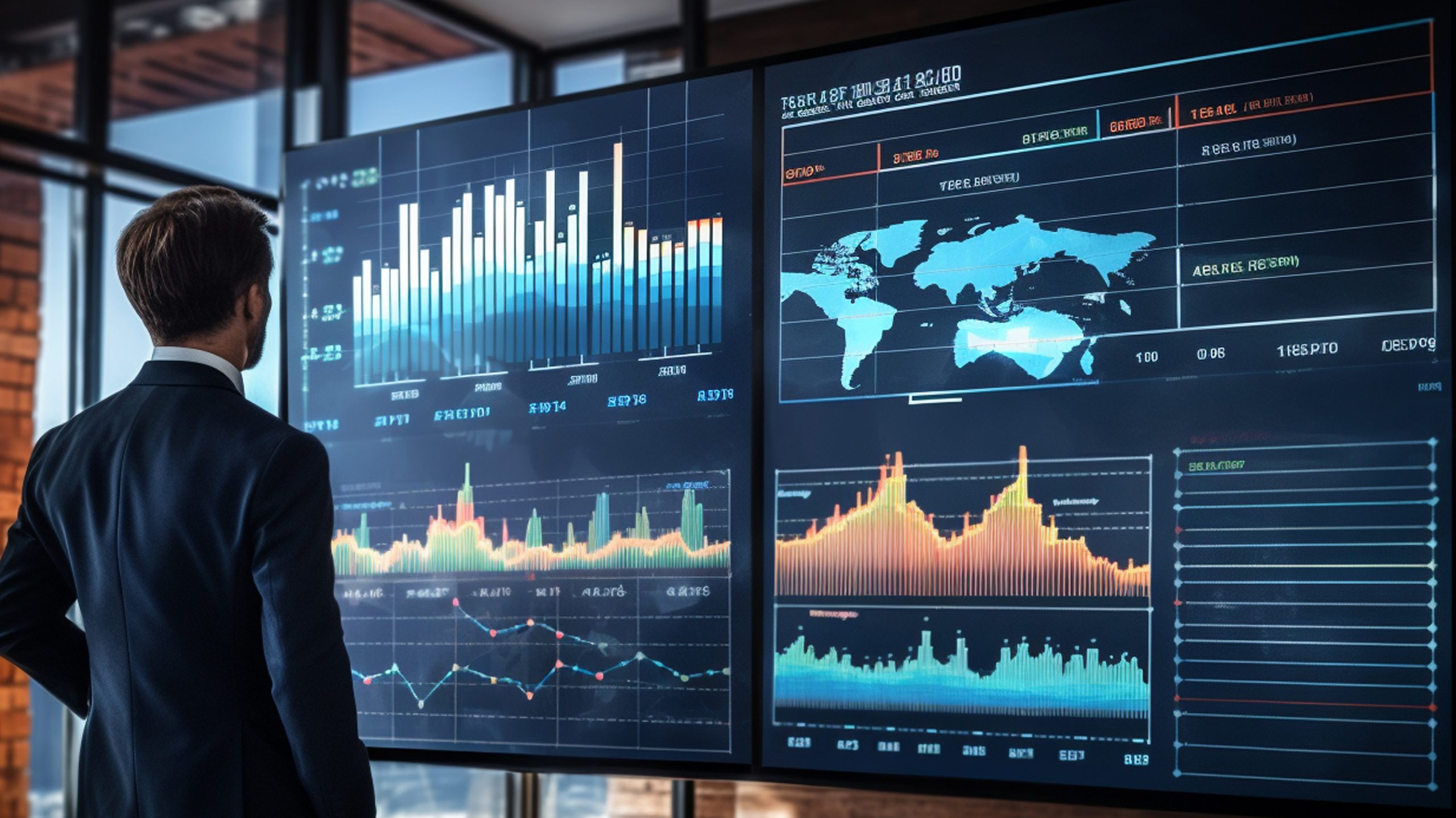
Imagine standing in a bustling corporate office, surrounded by screens displaying complex data streams. As an analytics professional, you‘re not just looking at numbers—you‘re deciphering stories, uncovering hidden patterns, and translating raw information into strategic decisions.
My journey through the world of data visualization began years ago, witnessing how a simple Excel dashboard could transform organizational understanding. Today, I‘ll share insights that go beyond traditional dashboard creation, blending artificial intelligence, machine learning, and human-centric design principles.
The Evolution of Dashboard Design
Data visualization isn‘t just about presenting information; it‘s about creating meaningful connections between complex datasets and human comprehension. Excel has been a remarkable tool in this transformation, evolving from basic spreadsheet software to a sophisticated analytics platform.
Understanding Modern Dashboard Architecture
When we talk about powerful dashboards, we‘re discussing more than just charts and graphs. We‘re exploring intelligent systems that adapt, learn, and communicate insights dynamically. Machine learning algorithms have revolutionized how we perceive and interact with data.
The Cognitive Science of Visual Data
Research in cognitive psychology reveals that humans process visual information 60,000 times faster than text. This neurological advantage makes dashboards not just a reporting tool, but a critical communication mechanism bridging complex data and human understanding.
Dashboard #1: Sales Performance Ecosystem
Imagine a dashboard that doesn‘t just show sales figures but predicts future performance with remarkable accuracy. Modern sales dashboards leverage predictive analytics to provide unprecedented insights.
Predictive Sales Modeling
By integrating machine learning algorithms, we can now create dashboards that:
- Forecast revenue trajectories
- Identify potential sales bottlenecks
- Recommend strategic interventions
The magic happens when historical data meets intelligent prediction. Your dashboard becomes a strategic advisor, offering insights that traditional reporting methods could never achieve.
Dashboard #2: Marketing Intelligence Platform
Marketing has transformed from intuition-based decisions to data-driven strategies. Our dashboard becomes a comprehensive intelligence platform, integrating multiple data sources and providing real-time insights.
Advanced Analytical Techniques
Modern marketing dashboards utilize:
- Sentiment analysis algorithms
- Cross-channel performance tracking
- Predictive customer behavior modeling
By leveraging artificial intelligence, we can now understand not just what happened, but why it happened and what might happen next.
Dashboard #3: Project Management Revolution
Project management dashboards have evolved from static timelines to dynamic, intelligent systems that predict risks, optimize resources, and provide holistic project health assessments.
Intelligent Resource Allocation
Machine learning algorithms can now:
- Predict potential project delays
- Optimize team performance
- Recommend resource reallocation strategies
Dashboard #4: Financial Performance Visualization
Financial dashboards are no longer retrospective reporting tools. They‘ve become forward-looking strategic platforms that provide real-time insights and predictive modeling.
Risk Assessment and Prediction
By integrating advanced statistical models and machine learning techniques, financial dashboards can now:
- Assess potential investment risks
- Predict market trends
- Provide scenario-based financial projections
Dashboard #5: Human Resources Analytics
Human resources has transformed from administrative function to strategic partnership, powered by intelligent data visualization.
Workforce Intelligence Platform
Modern HR dashboards leverage:
- Predictive hiring algorithms
- Employee performance trajectory modeling
- Cultural fit and retention prediction
The Future of Dashboard Design
As artificial intelligence continues to advance, expect dashboards to become:
- More intuitive
- Self-learning
- Contextually adaptive
- Emotionally intelligent
Emerging Technologies
Quantum computing and advanced machine learning will further revolutionize how we interact with data, making dashboards not just reporting tools, but intelligent strategic partners.
Practical Implementation Strategies
Creating powerful dashboards requires more than technical skills. It demands:
- Empathy with data
- Understanding organizational context
- Continuous learning
- Technological adaptability
Conclusion: Your Dashboard, Your Story
Dashboards are more than technical artifacts. They‘re narratives waiting to be told, insights waiting to be discovered. As an analytics professional, you‘re not just creating visualizations—you‘re crafting strategic narratives that drive organizational success.
Your Next Steps
- Embrace continuous learning
- Experiment with advanced techniques
- Think beyond traditional reporting
- Develop a holistic understanding of data
The world of data visualization is constantly evolving. Your journey is just beginning.