Artificial Intelligence Infrastructure for Viral Vaccine Manufacturing: A Revolutionary Journey
The Dawn of Intelligent Vaccine Research
Imagine standing at the intersection of human ingenuity and technological marvel—where artificial intelligence transforms our understanding of viral vaccine manufacturing. As an AI research expert who has witnessed remarkable technological breakthroughs, I‘m excited to share an extraordinary narrative about how machine intelligence is reshaping global health.
A Personal Reflection on Technological Transformation
When I first entered the world of computational biology, vaccine development seemed like an impenetrable fortress of complexity. Traditional research methods were painstakingly slow, requiring years of meticulous laboratory work. Scientists would spend decades tracking viral mutations, designing potential vaccine candidates, and conducting exhaustive clinical trials.
Today, everything has changed. Machine learning algorithms can now analyze complex genomic sequences in mere hours, predict viral mutations with unprecedented accuracy, and simulate vaccine effectiveness across diverse population groups. This isn‘t science fiction—it‘s our current reality.
The Technological Symphony of AI in Vaccine Manufacturing
Modern vaccine research represents a sophisticated dance between human expertise and computational power. Advanced machine learning models act like hyper-intelligent research assistants, processing massive datasets and generating insights that would take human researchers generations to uncover.
Computational Complexity: Beyond Traditional Boundaries
Consider the incredible challenge of understanding viral genomics. A single viral genome contains thousands of nucleotide sequences, each potentially holding critical information about mutation patterns, structural vulnerabilities, and potential treatment strategies. Traditional research methods might take years to decode these intricate molecular landscapes.
Machine learning algorithms, however, can simultaneously analyze multiple genomic variations, identifying subtle patterns invisible to human researchers. These computational models don‘t just process data—they learn, adapt, and generate predictive insights with remarkable precision.
Technological Foundations of AI-Driven Vaccine Infrastructure
Neural Network Architectures: The Brain Behind the Innovation
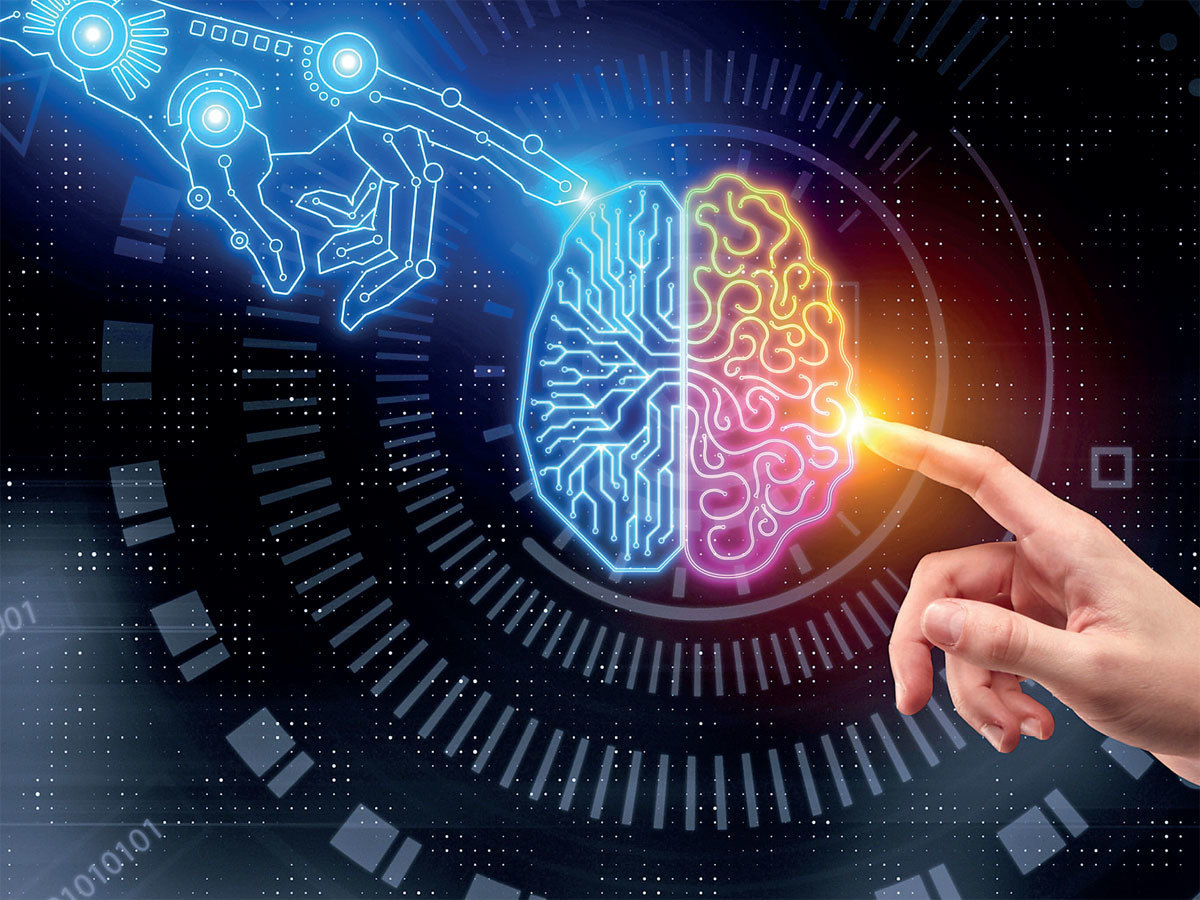
Deep learning neural networks represent the cornerstone of modern vaccine research infrastructure. These sophisticated computational models mimic human neural connections, allowing them to recognize complex patterns and make intelligent predictions.
Imagine a neural network as an incredibly sophisticated detective, meticulously examining genetic clues and constructing comprehensive viral profiles. Each computational layer adds depth and nuance to our understanding, transforming raw genetic data into actionable scientific insights.
Quantum Computing: The Next Frontier
While current machine learning technologies are impressive, quantum computing promises to revolutionize vaccine research even further. Quantum systems can simultaneously process multiple computational scenarios, exponentially accelerating research timelines.
A quantum computer doesn‘t just calculate—it explores entire universes of potential molecular interactions simultaneously. This means researchers can simulate vaccine candidates across thousands of genetic variations in moments, dramatically reducing development cycles.
Real-World Implementation: From Theory to Practice
COVID-19: A Watershed Moment for AI in Vaccine Development
The global pandemic served as a powerful demonstration of AI‘s potential in vaccine research. When traditional research methods would have required years, machine learning algorithms helped scientists rapidly sequence the SARS-CoV-2 genome, understand its mutation dynamics, and develop effective vaccines in unprecedented timeframes.
Researchers leveraged advanced predictive models to:
- Analyze viral genetic structures
- Predict potential mutation pathways
- Design targeted vaccine strategies
- Simulate immunological responses
What once seemed impossible became a remarkable scientific achievement, showcasing the transformative power of intelligent computational systems.
Ethical Considerations and Future Challenges
While technological capabilities are exciting, responsible implementation remains paramount. As an AI expert, I‘m acutely aware that our computational tools must be deployed thoughtfully and ethically.
Navigating Complex Ethical Landscapes
Machine learning algorithms are powerful, but they‘re not infallible. Researchers must continuously validate AI-generated insights, ensuring algorithmic fairness and preventing potential biases. The goal isn‘t just technological innovation—it‘s responsible scientific progress that prioritizes human well-being.
Looking Toward the Horizon: The Next Decade of Vaccine Research
The future of viral vaccine manufacturing isn‘t just about faster research—it‘s about creating more intelligent, responsive, and personalized healthcare solutions. We‘re moving toward an era of precision medicine where vaccine development becomes increasingly tailored to individual genetic profiles.
Emerging Technological Convergence
Artificial intelligence won‘t replace human researchers—it will empower them. By handling complex computational tasks, AI frees scientific minds to focus on creative problem-solving and strategic thinking.
Conclusion: A New Chapter in Human Health
As we stand on the cusp of this technological revolution, one thing becomes abundantly clear: artificial intelligence isn‘t just changing vaccine manufacturing—it‘s redefining our relationship with medical science.
Our computational tools are becoming more than just machines. They‘re intelligent partners in our ongoing quest to understand, predict, and ultimately protect human health.
The journey of AI in vaccine research has only just begun, and the possibilities are truly extraordinary.