Crafting Your Machine Learning Powerhouse: A $5000 Workstation Journey
The Genesis of a Machine Learning Workstation
When I first stepped into the world of artificial intelligence, I never imagined how transformative a carefully constructed workstation could be. My journey began in a cramped university research lab, surrounded by humming servers and flickering monitors, where every computational breakthrough felt like solving an intricate puzzle.
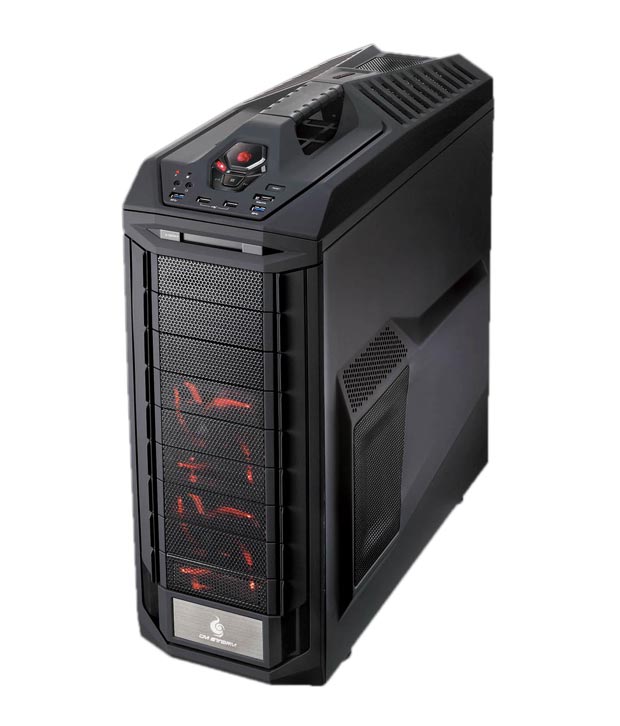
Today, I‘m going to walk you through something more than just hardware assembly. This is a roadmap to creating your personal machine learning sanctuary – a workstation that doesn‘t just process data, but breathes life into complex algorithms.
The Evolving Landscape of Computational Power
Machine learning has dramatically transformed from academic curiosity to industrial revolution. Just two decades ago, training a neural network meant waiting days, sometimes weeks. Now, we‘re looking at minutes, sometimes mere seconds of computational magic.
Your workstation isn‘t just a machine; it‘s a time machine that compresses years of computational complexity into moments of insight.
Understanding the Machine Learning Hardware Ecosystem
Modern machine learning demands aren‘t just about raw processing power – they‘re about creating an ecosystem where data flows seamlessly, where computational components communicate like a well-choreographed dance.
The CPU: Your Computational Brain
Processors have become the unsung heroes of machine learning. When selecting a CPU, you‘re not just choosing transistors and clock speeds – you‘re selecting the fundamental architecture of intelligence.
The Intel Xeon and AMD Threadripper series represent more than silicon and engineering. They represent computational philosophy. These processors understand that machine learning isn‘t linear – it‘s a complex, multidimensional journey of parallel processing.
Performance Considerations
- Multi-core architecture
- Base and turbo clock speeds
- Cache memory configurations
- Power efficiency metrics
Graphics Processing Units (GPUs): Parallel Processing Powerhouses
GPUs have revolutionized machine learning more dramatically than any single technological advancement in recent decades. NVIDIA‘s RTX and A-series GPUs aren‘t just graphics cards – they‘re mathematical accelerators that transform complex tensor operations into lightning-fast computations.
When you select a GPU, you‘re essentially choosing your workstation‘s neural processing capability. The NVIDIA RTX 3090 or A5000 aren‘t merely hardware – they‘re computational dream weavers.
Economic Considerations: Building vs. Cloud Solutions
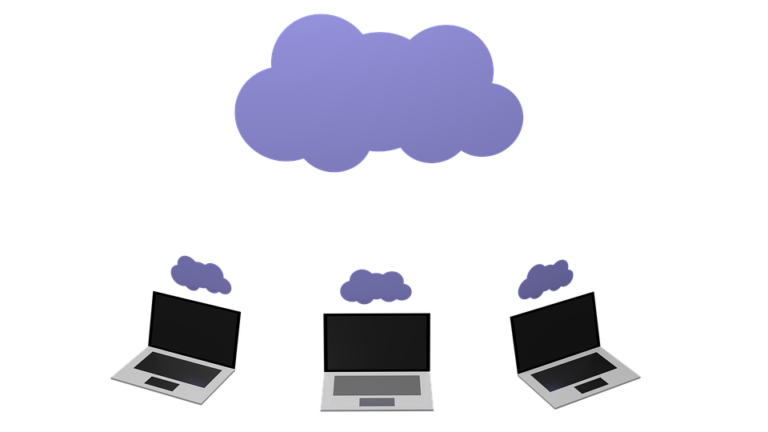
Many researchers and engineers debate whether to build a custom workstation or rely on cloud computing. Let me share a perspective grounded in years of practical experience.
Cloud solutions offer flexibility, but custom workstations provide:
- Complete hardware control
- Long-term cost-effectiveness
- Immediate computational access
- Privacy and data security
- Customization potential
A \$5000 investment today could save you thousands in monthly cloud computing expenses while providing unparalleled performance consistency.
Detailed Cost Breakdown
-
Processor Investment
Estimated Cost: $1,500- Represents 30% of total budget
- Critical for long-term computational flexibility
-
GPU Selection
Estimated Cost: $2,000- Represents 40% of total budget
- Direct impact on machine learning performance
-
Memory Configuration
Estimated Cost: $700- Ensures smooth, multi-task computational environment
-
Storage Solutions
Estimated Cost: $600- Provides robust data management infrastructure
-
Peripheral Components
Estimated Cost: $200- Cooling, power supply, miscellaneous accessories
Practical Implementation Strategies
Selecting Compatible Components
Compatibility isn‘t just about technical specifications – it‘s about creating a harmonious computational ecosystem. Your motherboard, processor, and GPU must communicate seamlessly, like musicians in a sophisticated orchestra.
Cooling and Thermal Management
Machine learning workstations generate substantial heat. Your cooling strategy isn‘t a peripheral consideration – it‘s fundamental to sustained performance. Consider:
- High-performance air cooling
- Liquid cooling systems
- Strategic airflow management
- Thermal paste quality
Software Ecosystem Preparation
Your hardware is only as powerful as the software environment you create. Ubuntu, CentOS, and specialized machine learning distributions offer unique advantages.
Recommended software stack:
- Python 3.8+
- CUDA toolkit
- PyTorch
- TensorFlow
- Jupyter Lab
- Anaconda distribution
Future-Proofing Your Investment
Technology evolves rapidly. Your \$5000 workstation should be designed with modularity and upgradability in mind. Choose components that allow:
- Easy GPU replacement
- Additional RAM slots
- Expandable storage options
Emotional and Psychological Dimensions
Building a machine learning workstation transcends technical assembly. You‘re constructing a portal to innovation, a personal laboratory where mathematical dreams transform into computational reality.
Conclusion: More Than Just Hardware
Your workstation represents potential – the potential to solve complex problems, explore uncharted computational territories, and push the boundaries of artificial intelligence.
Remember, this isn‘t just about assembling components. It‘s about creating a personalized computational companion that will be your partner in scientific exploration.
Happy building, fellow explorer.