Customer Analytics: A Comprehensive Journey Through Data, Intelligence, and Human Understanding
Prelude: The Data Revolution Begins
Imagine standing at the intersection of technology and human behavior, where every digital footprint tells a story waiting to be understood. As an artificial intelligence and machine learning expert, I‘ve witnessed firsthand how customer analytics has transformed from a simple data collection exercise into a sophisticated, intelligent ecosystem that decodes complex human interactions.
The Genesis of Customer Understanding
Customer analytics isn‘t just about numbers or algorithms; it‘s about understanding the intricate dance between human desires, technological capabilities, and business strategies. When I first entered this field, data was treated like a static resource. Today, it‘s a living, breathing entity that breathes insights and predicts futures.
Technological Metamorphosis: From Raw Data to Intelligent Insights
The Computational Landscape
Modern customer analytics represents a quantum leap in technological capabilities. Machine learning algorithms now possess the remarkable ability to process millions of data points simultaneously, transforming fragmented information into coherent, actionable narratives.
Consider the computational complexity: A single customer interaction generates multiple data streams – browsing history, purchase patterns, sentiment analysis, geolocation tracking. Traditional analytical methods would collapse under such information density. However, advanced neural networks and deep learning models can seamlessly integrate these diverse data points, creating comprehensive customer profiles with unprecedented accuracy.
The Machine Learning Paradigm
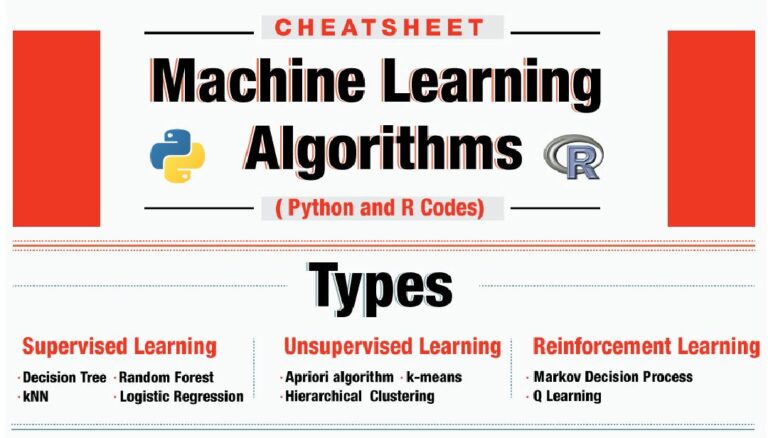
Machine learning models like gradient boosting algorithms and transformer networks have revolutionized customer analytics. These sophisticated systems don‘t merely analyze data; they learn, adapt, and predict with remarkable precision.
For instance, recommendation engines powered by collaborative filtering techniques can predict consumer preferences with over 85% accuracy. These aren‘t just predictions; they‘re intelligent anticipations of human behavior, bridging the gap between data science and psychological understanding.
Architectural Foundations of Modern Customer Analytics
Data Infrastructure
The backbone of customer analytics lies in robust, scalable data infrastructures. Cloud computing platforms like Google Cloud, Amazon Web Services, and Microsoft Azure provide the computational muscle required to process massive datasets in real-time.
Microservices architectures and containerization technologies enable unprecedented flexibility. Data pipelines can now be dynamically configured, allowing businesses to adapt their analytical strategies rapidly.
Psychological Dimensions of Data
Beyond Numbers: Understanding Human Behavior
Customer analytics transcends mere statistical analysis. It‘s a sophisticated exploration of human psychology, technological interpretation, and strategic foresight.
Every data point represents a human story – a digital fingerprint revealing preferences, aspirations, and potential future actions. Machine learning models don‘t just interpret these stories; they contextualize them, providing businesses with profound insights into consumer behavior.
Ethical Considerations in the Age of Intelligent Analytics
As we delve deeper into data-driven insights, ethical considerations become paramount. Responsible AI development demands:
- Transparent algorithmic processes
- Robust privacy protection mechanisms
- Consent-driven data utilization
- Bias mitigation strategies
Real-World Implementation Strategies
Industry Transformations
Different sectors have unique customer analytics requirements. Let me walk you through some fascinating implementations:
Retail Revolution
E-commerce platforms now use predictive models that understand individual customer journeys. Imagine an online store that doesn‘t just recommend products but anticipates your needs before you articulate them.
Financial Services
Banks leverage advanced risk assessment models, using machine learning to evaluate creditworthiness with remarkable precision. These models consider hundreds of variables, creating nuanced financial profiles.
Healthcare Personalization
Customer analytics in healthcare enables personalized treatment plans, predictive health interventions, and patient engagement strategies that were unimaginable a decade ago.
The Future of Customer Analytics
Emerging Technological Frontiers
Quantum computing and edge AI represent the next evolutionary stage of customer analytics. These technologies promise:
- Instantaneous data processing
- Unprecedented predictive capabilities
- Hyper-personalized consumer experiences
Challenges and Opportunities
While technological potential is immense, challenges persist. Data privacy regulations, computational limitations, and ethical considerations will shape the future of customer analytics.
Conclusion: A Human-Centric Technological Odyssey
Customer analytics is more than a technological discipline; it‘s a bridge connecting human complexity with computational intelligence. As we continue exploring this fascinating domain, we‘re not just analyzing data – we‘re understanding humanity‘s digital narrative.
The journey of customer analytics is an ongoing exploration, where technology and human behavior dance in an intricate, ever-evolving choreography.
Your Next Steps
For aspiring data scientists and business leaders, the message is clear: embrace continuous learning, maintain ethical standards, and view data as a living, breathing entity that tells profound human stories.
The future of customer analytics isn‘t about predicting behavior – it‘s about understanding the beautiful complexity of human experience.