Decoding the Mysteries of Pattern Recognition: A Journey Through Neural Networks
The Unexpected Symphony of Machine Intelligence
Imagine standing before an intricate tapestry of data, where seemingly random threads suddenly reveal profound connections. This is the magical realm of pattern recognition – a technological marvel that transforms chaotic information into meaningful insights.
As an artificial intelligence researcher who has spent decades exploring the intricate landscapes of neural networks, I‘ve witnessed something extraordinary: machines are learning to see the world not just as a collection of pixels and numbers, but as a complex, interconnected system of relationships.
The Human-Machine Learning Dance
Pattern recognition isn‘t just about computational power; it‘s about understanding. Just as a seasoned detective connects seemingly unrelated clues, neural networks weave together fragments of information to create comprehensive narratives.
The Evolutionary Roots of Intelligent Recognition
Our journey begins with a fundamental question: How do intelligent systems learn to recognize patterns?
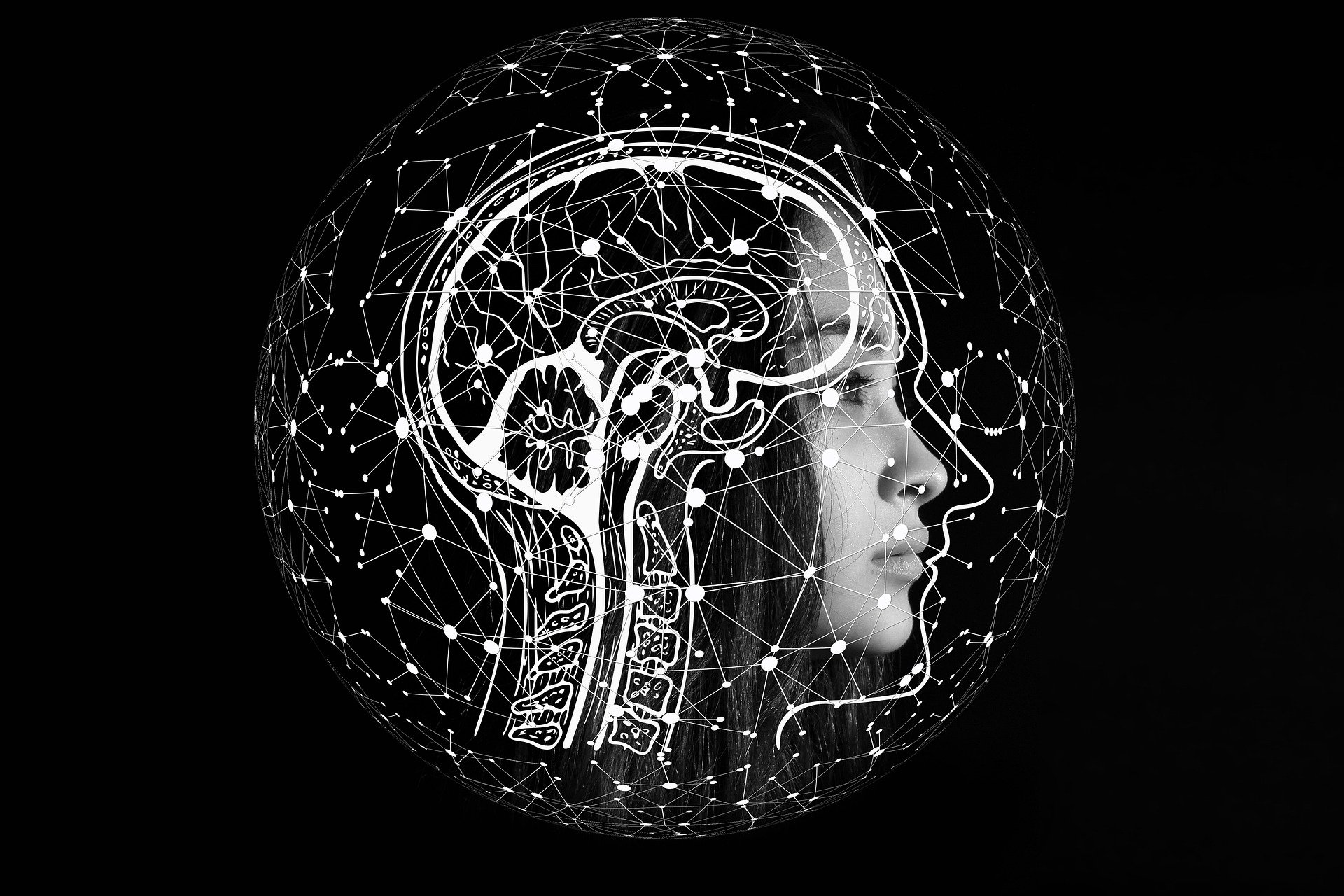
The answer lies in the remarkable similarity between biological neural networks and artificial computational models. Our brains have been performing pattern recognition for millions of years, and now we‘re teaching machines to do the same.
Neurological Inspiration
Consider how a child learns to recognize a dog. They don‘t memorize every possible dog variation but understand core characteristics – four legs, fur, a specific body structure. Neural networks operate on a similar principle, extracting essential features and creating generalized representations.
Mathematical Foundations of Pattern Recognition
[P(pattern) = \frac{∑(features * weights)}{total_complexity}]This deceptively simple formula encapsulates the essence of pattern recognition. By assigning weights to different features and understanding their relative importance, neural networks can make increasingly sophisticated predictions.
The Learning Mechanism
Neural networks don‘t just process information; they transform it. Each computational layer adds depth and nuance, gradually refining raw data into meaningful insights.
Real-World Transformation: Beyond Academic Theory
Pattern recognition isn‘t confined to research laboratories. It‘s reshaping industries, solving complex challenges, and opening unprecedented technological frontiers.
Medical Diagnostics: A Life-Saving Revolution
In medical imaging, neural networks can detect microscopic cancer indicators that human radiologists might miss. By analyzing thousands of medical images, these systems develop an almost intuitive understanding of cellular anomalies.
Climate Change Prediction
Researchers are now using advanced pattern recognition to model complex climate systems, tracking intricate interactions between atmospheric, oceanic, and terrestrial dynamics.
The Computational Complexity Frontier
As neural networks become more sophisticated, we‘re encountering fascinating challenges. How do we create systems that can learn efficiently, adapt quickly, and maintain computational integrity?
Overcoming Computational Limitations
Traditional computing models struggle with the immense complexity of pattern recognition. This is where breakthrough architectures like transformer models and quantum-inspired neural networks are pushing technological boundaries.
Ethical Considerations in Intelligent Systems
With great technological power comes significant responsibility. As we develop more advanced pattern recognition systems, we must carefully consider their societal implications.
Bias and Fairness
Neural networks learn from existing data, which means they can inadvertently perpetuate historical biases. Developing fair, transparent algorithms requires continuous vigilance and interdisciplinary collaboration.
The Future: Convergence of Human and Machine Intelligence
We stand at a remarkable technological crossroads. Pattern recognition is not about replacing human intelligence but augmenting and extending our cognitive capabilities.
Emerging Technological Horizons
- Neuromorphic computing
- Quantum-enhanced neural networks
- Emotional intelligence algorithms
- Adaptive learning systems
Practical Implementation: Bridging Theory and Practice
For aspiring AI researchers and engineers, the path to mastering pattern recognition involves:
- Developing strong mathematical foundations
- Understanding computational complexity
- Practicing interdisciplinary thinking
- Maintaining ethical awareness
Recommended Learning Pathway
- Master linear algebra and calculus
- Learn programming languages like Python
- Study machine learning frameworks
- Engage with research communities
- Build practical projects
Personal Reflection: The Wonder of Discovery
After decades of research, what continues to amaze me is not just the technological achievement but the profound philosophical implications. Pattern recognition represents humanity‘s extraordinary ability to understand complexity, to find meaning in apparent randomness.
Each neural network is a testament to human creativity – a digital mirror reflecting our most fundamental cognitive processes.
Closing Thoughts
As we continue pushing technological boundaries, remember that behind every complex algorithm, every sophisticated neural network, lies a fundamental human drive: the desire to understand, to connect, to make sense of our world.
Pattern recognition is more than a technological tool. It‘s a bridge between human intuition and computational power, a lens through which we can glimpse the intricate patterns governing our universe.
Stay curious. Keep learning. The most exciting discoveries are always just around the corner.