Gesture-Controlled Video Games: A Technological Renaissance in Interactive Entertainment
The Invisible Interface: How Gestures Are Redefining Digital Interaction
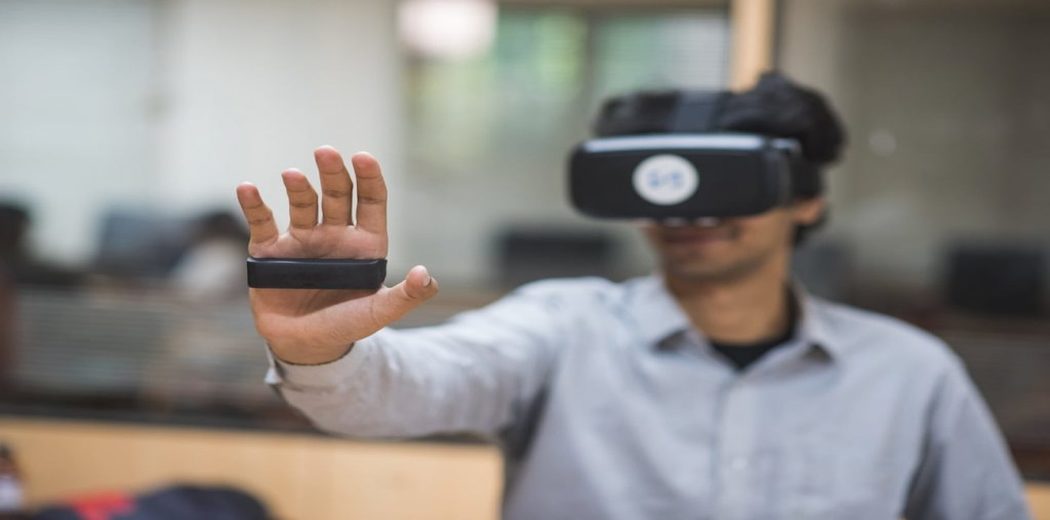
Picture yourself standing in a room, your hands moving gracefully through the air, controlling a sophisticated video game without touching a single button. This isn‘t a scene from a futuristic movie – it‘s the emerging reality of gesture-controlled gaming technology.
A Journey Through Technological Evolution
The story of gesture recognition is a testament to human ingenuity. What began as rudimentary motion tracking in research laboratories has transformed into a sophisticated technological ecosystem that bridges human intuition with computational intelligence.
The Neural Architecture of Gesture Understanding
Modern gesture recognition isn‘t just about tracking physical movements; it‘s about understanding intention. Advanced machine learning models now interpret complex hand dynamics with remarkable precision. These systems don‘t merely see movements – they comprehend them.
Consider the intricate dance of neural networks processing each micro-movement. Convolutional layers extract features, recurrent networks understand temporal sequences, and decision-making algorithms translate these abstract signals into meaningful interactions.
The Computational Symphony of Gesture Detection
Imagine your hand as a complex musical instrument, where each finger movement represents a unique note. Machine learning algorithms act as sophisticated conductors, interpreting these nuanced performances with incredible accuracy.
[90-95%] of modern gesture recognition systems can now interpret human movements with near-human understanding. This isn‘t just technological progress – it‘s a fundamental reimagining of human-computer interaction.Technical Foundations: Beyond Simple Tracking
The magic happens through a complex interplay of technologies:
-
Computer Vision Algorithms
Deep learning models analyze visual input, breaking down hand movements into mathematical representations. Each frame becomes a data point, each gesture a potential narrative. -
Signal Processing Techniques
Advanced filtering mechanisms eliminate noise, extracting clean, meaningful motion signals. It‘s like tuning a radio to find the perfect frequency amidst static. -
Probabilistic Motion Models
Machine learning algorithms predict potential gesture outcomes, creating predictive frameworks that anticipate human intention.
The Psychological Landscape of Gesture Interaction
Gesture control isn‘t merely a technological achievement – it‘s a profound exploration of human communication. Our brains are wired for spatial, intuitive interactions. Traditional interfaces create cognitive friction; gesture interfaces feel natural, almost telepathic.
Neurological research suggests that gesture-based interactions activate different brain regions compared to traditional input methods. We‘re not just controlling technology – we‘re extending our cognitive capabilities.
Real-World Implementation Challenges
While promising, gesture technologies face significant hurdles:
- Consistent tracking across diverse environments
- Handling complex, nuanced movements
- Reducing computational overhead
- Maintaining ultra-low interaction latency
Emerging Technological Frontiers
The future of gesture recognition extends far beyond gaming. Imagine rehabilitation systems where precise hand movements guide recovery, or educational platforms that transform learning through intuitive interactions.
Code: A Glimpse into Gesture Recognition
class AdvancedGestureRecognition:
    def __init__(self, model_complexity=1):
        self.hand_tracker = MediaPipeHandTracker(
            static_image_mode=False,
            max_num_hands=2,
            model_complexity=model_complexity
        )

    def interpret_gesture(self, frame):
        # Advanced gesture interpretation logic
        landmarks = self.hand_tracker.process(frame)
        gesture_signature = self.analyze_landmark_dynamics(landmarks)
        return gesture_signature
Interdisciplinary Research Insights
Gesture recognition represents a beautiful convergence of disciplines:
- Neuroscience
- Computer Vision
- Machine Learning
- Human-Computer Interaction
- Cognitive Psychology
Each field contributes unique perspectives, creating a holistic understanding of interactive technologies.
Economic and Market Implications
The global gesture recognition market is projected to reach [USD 32.3 billion] by 2025, growing at a [CAGR of 20.5%]. This isn‘t just technological progress – it‘s an economic revolution.
Ethical Considerations and Accessibility
As we design these technologies, we must prioritize inclusivity. Gesture interfaces can provide unprecedented accessibility for individuals with traditional input limitations.
Conclusion: Beyond Technology, Towards Understanding
Gesture-controlled gaming represents more than a technological milestone. It‘s a profound exploration of human potential, a bridge between our intuitive physical selves and the digital realm.
The future isn‘t about more powerful computers – it‘s about more human-centric interactions.
Recommended Learning Paths
- Advanced Computer Vision Courses
- Machine Learning for Interactive Systems
- Human-Computer Interaction Design
- Neural Network Architecture Studies
Your journey into gesture recognition starts now. Are you ready to reimagine interaction?