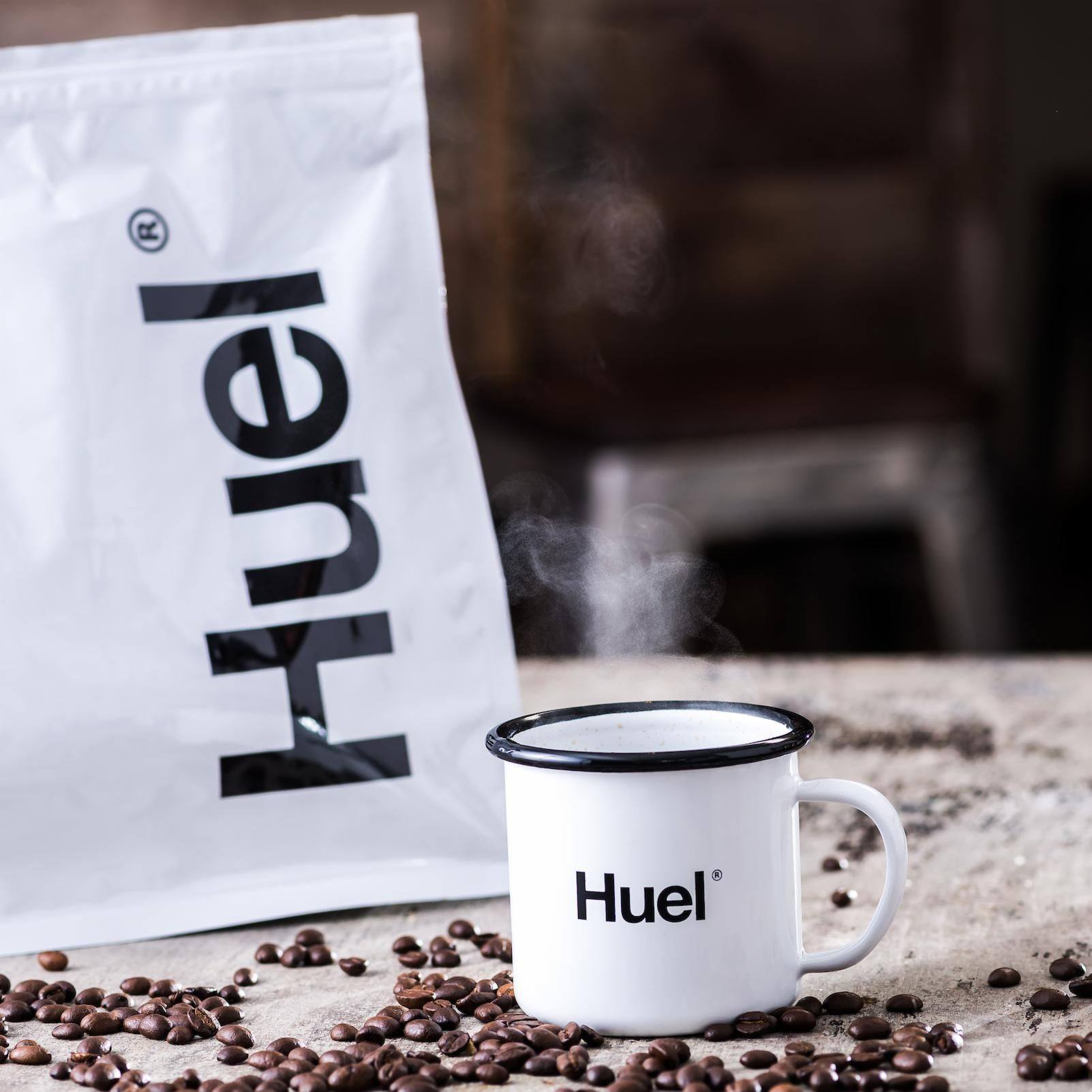
Huel Review: The Future of Food or Overhyped Health Fad?
In our fast-paced, constantly connected modern world, many of us are looking for ways to optimize our lives and be as efficient as possible. Eating healthy, nutritionally complete meals often falls to the wayside in favor of quick, convenient options. But what if there was a way to get all the nutrients your body needs in a fraction of the time it takes to cook a meal? Enter Huel—a line of completely vegan, plant-based powders, drinks, and bars designed to be a healthy, affordable, and eco-friendly alternative to traditional meals.
As an avid Huel user for the past 6 months, I wanted to share my honest experience and opinions on this "future food" brand that has been rapidly gaining popularity, especially among busy professionals, fitness enthusiasts, and those wanting to reduce their environmental impact. In this comprehensive Huel review, I‘ll cover everything you need to know about the brand and its products so you can decide if Huel deserves a spot in your pantry.
What is Huel?
Huel was founded in 2015 in the UK by Julian Hearn and James Collier, who set out to create a more efficient and eco-friendly way to feed the planet‘s growing population. The name Huel is a portmanteau of "human fuel", reflecting the brand‘s mission to provide nutritionally complete food that is easy to prepare and consume on the go.
All of Huel‘s products are made from plant-based ingredients like pea protein, oats, flaxseed, coconut, and a blend of vitamins and minerals. They are vegan, lactose-free, soy-free, GMO-free, and contain no artificial sweeteners or flavors. Huel offers a range of products including:
-
Huel Powder: A nutritionally complete powdered meal that you mix with water or plant milk. Available in sweet and savory flavors.
-
Huel Black Edition: A lower-carb, higher-protein version of the original powder for those with more intensive training regimens or weight loss goals.
-
Huel Ready-to-Drink: Pre-mixed drinks in 500-calorie bottles for ultimate on-the-go convenience.
-
Huel Bars: Nutritionally complete snack bars in flavors like chocolate, coffee, and salted caramel.
-
Huel Hot & Savory: Instant savory meals like Thai green curry, chili, and tomato & herb that you mix with hot water.
-
Huel Complete Protein: A protein powder blend to supplement your regular diet or add to smoothies.
The premise of Huel is that by replacing some or all of your meals with their nutrient-dense products, you can save time and money, reduce decision fatigue around food, and meet all of your body‘s nutritional requirements. But do the products live up to the hype? Keep reading to find out.
My Experience with Huel
I first learned about Huel in early 2022 from a friend who had been using their powders and bars to supplement his busy work and workout schedule. As someone who has tried various protein powders and meal replacements in the past with mixed results, I was intrigued by Huel‘s whole-food, plant-based ingredients and complete nutritional profile.
I started by ordering a bag of the vanilla Huel Powder and a box of the chocolate Huel Bars. The powder arrived in a slim, recyclable bag with a resealable zip top, which I appreciated for its minimal packaging. It had a mild, oaty smell and a very fine texture.
Following the instructions, I mixed 2 scoops of powder with cold water in a shaker bottle. The powder dissolved easily with no clumping and created a smooth, creamy drink. The vanilla flavor was pleasant, not too sweet or artificial tasting. It reminded me of vanilla oatmeal or cake batter.
The consistency was quite thick and filling, more like a smoothie than juice or flavored water. I drank my first Huel for breakfast in place of my usual yogurt and granola. To my surprise, the 400 calorie serving kept me full and energized for a good 4 hours until lunchtime.
Over the next few weeks, I continued having Huel for breakfast most days and really enjoyed the simplicity and time savings in the morning. I experimented with adding frozen berries, nut butter, and spices like cinnamon and cardamom to change up the flavors. A Huel breakfast took me less than a minute to prepare, compared to 10-15 minutes for cooking oatmeal or eggs and toast.
I also tried the Huel Bars as a midday snack or post-workout fuel. The dense, chewy texture and rich flavor satisfies cravings for something sweet, without the sugar crash or bloating I sometimes experience with other protein bars. At under 250 calories, they are the perfect portion size to tide you over between meals.
After consuming Huel regularly for a month, I noticed some positive changes in my health and wellbeing:
- More consistent energy levels throughout the day
- Improved digestion and regularity from the high fiber content
- Clearer skin
- Savings of $50-100 per month on groceries
- More free time in the morning for exercise or self care
Of course, as with any dietary change, there was an initial adjustment period with Huel. In the first week, I experienced some bloating and gas as my body adapted to the high fiber content. I found that slowly increasing my intake and drinking more water helped alleviate these symptoms.
I also had occasional cravings for solid, chewable food, since drinking all of your calories doesn‘t always feel as satisfying. To combat this, I made sure to still eat at least one "real food" meal per day, usually dinner.
Overall, I found Huel to be a very convenient and well-balanced option for those looking to eat healthier with minimal effort. It drastically simplified my food prep and shopping routine, while providing me with all the nutrients I need to feel my best. I would highly recommend it to anyone with a busy lifestyle or those wanting to transition to a more plant-based diet.
That said, Huel is not a magic bullet or one-size-fits-all solution. It may not be suitable for those with certain allergies or sensitivities, picky eaters who need more flavor variety, or those who strongly prefer solid meals. As with any diet, it‘s best to consult with a doctor or nutritionist to ensure Huel aligns with your individual health needs and goals.
Nutritional Review: Huel vs. Other Meal Replacements
One of the biggest selling points of Huel is its nutritional completeness. While many meal replacement products are high in protein and low in carbs, they often lack essential micronutrients found in whole plant foods.
Huel Powder provides at least 100% of the recommended daily values for all 27 essential vitamins and minerals, plus a healthy mix of macronutrients:
- 37g carbohydrates from oats and flaxseed
- 30g protein from pea and rice
- 13g fat from flaxseed and sunflower oil
- 7g fiber from oats and flaxseed
This balanced macro split keeps you feeling full and energized by providing a steady release of carbohydrates, rather than spiking your blood sugar like a sugary protein shake would. The protein content supports muscle growth and repair, while the high fiber improves digestion and heart health.
In comparison, other leading meal replacement brands have some nutritional gaps or questionable ingredients:
-
Soylent Powder uses soy protein isolate, which is heavily processed and may cause digestive issues for some. It‘s also very low in fat at only 1.5g per serving.
-
Ensure and Boost shakes are formulated more for the elderly or medical recovery than for daily wellness. They contain milk and soy ingredients, added sugars, and artificial flavors and sweeteners.
-
SlimFast shakes are high in protein but low in fiber and healthy fats. They use skim milk powder and additives like cellulose gum and carrageenan.
-
Protein powders from brands like Vega and Garden of Life are great for post-workout recovery but aren‘t designed to replace full meals. They focus mainly on protein and may not have a full vitamin and mineral profile.
Of course, whole food sources like fruits, vegetables, legumes, nuts, and seeds are still the most nutrient-dense options. But for those who struggle to meet their needs through diet alone, Huel provides a more complete and balanced supplement than most other beverages or bars on the market.
Huel‘s Mission and Values
Beyond the nutritional benefits, what sets Huel apart as a brand is its strong commitment to sustainability and social responsibility. Julian and James started Huel as a way to create a food system that is better for people and planet.
Some key facts about Huel‘s eco-friendly practices:
- Uses minimal, 100% recyclable packaging for all products
- Reduces food waste by offering shelf-stable options with a 1 year unopened shelf life
- Supports sustainable agriculture by using plant-based ingredients like pea protein and oats
- Offsets carbon emissions from their supply chain, production and delivery to be climate neutral
- Certified B-Corp, meeting rigorous standards for social and environmental impact
Huel also aims to make optimal nutrition more affordable and accessible to underserved communities:
- Donates hundreds of thousands of meals per year to food banks and disaster relief efforts
- Offers a discount program for students, healthcare workers, first responders & military
- Provides nutrition education through their blog, recipes, and podcast
While there are valid debates around the long-term sustainability and safety of ultra-processed foods like powders and bars, I believe Huel is a step in the right direction. By shifting our diets towards more plant-based, nutrient-dense options, we can reduce our carbon footprint, minimize animal cruelty, and create a more resilient food system.
Of course, Huel alone won‘t solve our global nutrition and hunger crises. Systemic change is needed to address poverty, inequality, and lack of access to whole foods in many parts of the world. But by providing a convenient and affordable way for people to meet their basic nutritional needs, Huel can be part of the solution, not the problem.
The Final Verdict
So, is Huel truly the future of food or an overhyped health trend? After trying the products for myself and digging into the brand‘s mission and values, my verdict is that Huel is a legitimate and beneficial option for many people.
No, Huel is not as satisfying or nutritious as a plate full of whole plant foods. And there are some potential drawbacks like digestive discomfort, limited flavor variety, and the environmental impact of a powder-based diet.
But for those who struggle with eating healthy due to time, cost, or knowledge constraints, Huel is a big upgrade over skipping meals, relying on junk food, or using other meal replacements with suboptimal ingredients.
When used as a complement to a whole foods diet, I believe Huel can be a valuable tool for improving health outcomes and reducing our ecological footprint. It‘s a convenient and affordable way to ensure your body is getting all the essential fuel it needs to thrive.
If you‘re curious about trying Huel, I recommend starting with a small order of a few products that appeal to your taste preferences and lifestyle. Be patient with any initial digestive discomfort and don‘t be afraid to experiment with flavors and mix-ins to keep things interesting. Join the Huel community on Reddit or social media for support, recipe ideas, and motivation.
Huel may not be perfect, but I believe it is a net positive for human and planetary health. As someone who has personally experienced the benefits of Huel, I am excited to see how this innovative brand continues to grow and evolve. The future of food is plant-based, and Huel is leading the way.