Vintage Elgin Pocket Watch Values: Why Elgin Pocket Watches Are the Perfect Piece for Any Vintage Enthusiast
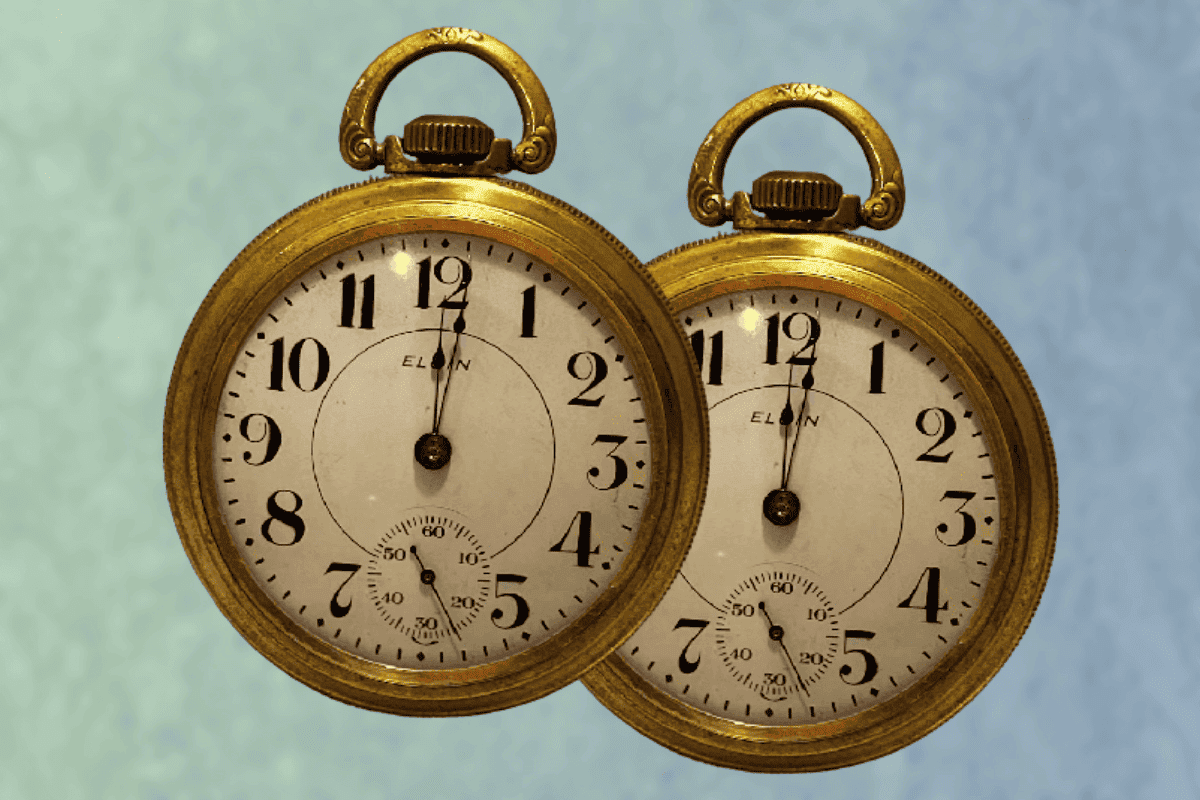
When you hold an Elgin pocket watch, you‘re cradling a piece of American industrial brilliance in your palm. The smooth gold case, the crisp tick of the movement, and the graceful sweep of the hands all speak to an era when precision manufacturing reached its zenith in the United States.
As a vintage watch collector and appraiser for over two decades, I‘ve seen countless Elgin timepieces pass through my hands. Each one tells its own story, from railroad chronometers that kept trains running safely to ornate presentation pieces that marked life‘s milestone moments.
The Rich Heritage of Elgin Watch Manufacturing
The story begins in 1864, when the National Watch Company established its factory in Elgin, Illinois. What started as a modest operation with just seven employees would grow into America‘s largest watch manufacturer. The first Elgin watch took six months to complete – a far cry from the efficient production that would later define the company.
By 1870, Elgin had perfected a system of interchangeable parts that revolutionized watchmaking. Workers could now assemble movements with components made by different craftsmen, maintaining precise tolerances while increasing production. This innovation made quality timepieces accessible to average Americans for the first time.
The company‘s golden age spanned from 1890 to 1920, when railroad expansion drove demand for accurate watches. Engineers and conductors required timepieces certified for "railroad grade" accuracy – losing or gaining no more than 30 seconds per week. Elgin rose to this challenge, producing some of their finest movements during this period.
Understanding Value: What Makes an Elgin Valuable Today
The market for vintage Elgin watches spans from modest three-figure sums to impressive five-figure prices. As an appraiser, I evaluate several key factors that determine value:
Movement Grade: Elgin produced over 60 different grades of movements, each with specific quality levels. Railroad grades command the highest prices, often starting at $1,000 for basic examples and reaching $10,000 or more for rare variants in pristine condition.
Case Material and Design: Gold cases naturally bring premium prices, but the artistry matters as much as the metal. A finely engraved 14k gold hunting case might fetch $3,000-5,000 before even considering the movement inside. Multi-color gold cases with relief work or inlay can double these figures.
Dial Condition: Original enamel dials without hairline cracks or repairs are increasingly rare. A perfect railroad dial can add $500-1,000 to a watch‘s value. Fancy dials with unusual designs or special markings might command even more.
Historical Significance: Watches with documented provenance to significant events or persons carry substantial premiums. I recently appraised an Elgin presented to a railroad executive in 1892 that sold for $12,500 – triple the value of an identical watch without the historical connection.
Authentication: Separating Genuine from Reproduction
The rising values of vintage Elgins have attracted counterfeiters. Here‘s what I check when authenticating a piece:
Serial Numbers: Every Elgin movement bears a unique serial number that corresponds to factory records. These numbers appear on the movement plate in specific locations with consistent font styles. Modern fakes often use incorrect number formats or positions.
Case Marks: Genuine gold cases carry proper hallmarks for their period. American cases from the 1880s-1920s use distinct marking systems that counterfeiters rarely reproduce accurately. Under magnification, authentic marks show crisp edges and proper depth.
Movement Finishing: Elgin movements exhibit specific finishing patterns on their plates and bridges. The damaskeening (decorative patterns) varies by grade and period. Even high-quality modern replicas rarely match these precise patterns.
Regional Market Dynamics
The market for Elgin watches shows interesting geographic variations. In the Northeast United States, railroad-grade watches command the highest premiums, reflecting the region‘s railroad heritage. West Coast collectors often prefer presentation-grade pieces with elaborate cases.
European collectors increasingly recognize Elgin quality, particularly in the UK and Germany. Prices at British auctions have risen steadily over the past five years. Asian markets focus primarily on solid gold cases, with less emphasis on movement grades.
Investment Potential and Market Trends
As an investment vehicle, vintage Elgins offer several advantages. Unlike many collectibles, these watches maintain practical utility while appreciating in value. Quality examples have shown steady price increases averaging 8-12% annually over the past decade.
The most promising investment categories include:
Railroad Chronometers: High-grade movements in original cases with documentation continue appreciating fastest. Recent sales show strong demand in the $5,000-15,000 range.
Presentation Watches: Pieces with original boxes, papers, and provenance attract serious collectors. Several recent examples have exceeded $25,000 at auction.
Rare Variants: Unusual dial designs, experimental movements, or special editions can command exceptional prices. A recently discovered prototype chronograph brought $45,000 at auction.
Conservation and Maintenance
Proper care preserves both value and functionality. I recommend these essential practices:
Professional Service: Have movements cleaned and oiled every 3-5 years by a qualified watchmaker. This prevents wear and maintains accuracy. Expect to pay $200-400 for basic service.
Storage: Keep watches in a climate-controlled environment away from moisture. Individual soft pouches prevent case scratching. Original boxes add value and provide proper storage.
Handling: Wind watches fully but gently every 24-36 hours if running. Avoid quick setting of hands between 9 PM and 3 AM when date mechanisms engage.
Building Your Collection
For new collectors, I suggest starting with a quality 16-size movement in a filled case. These offer excellent value around $500-800 and teach important evaluation skills. Look for:
Clean movements without rust or repair marks
Original dials with minimal damage
Cases showing honest wear rather than abuse
Complete and functional winding/setting mechanisms
As your knowledge grows, consider specializing in specific periods or grades. Railroad watches offer deep collecting potential with their various marks and requirements. Presentation pieces combine horological interest with decorative arts appeal.
Notable Recent Sales
The market‘s strength shows in recent transactions:
A rare 23-jewel railroad chronometer in its original box with timing certificates sold for $17,500 in October 2023.
An elaborately engraved multi-color gold hunting case presentation watch achieved $32,000 in December 2023.
A collection of twelve railroad-grade watches brought $235,000 at auction in November 2023.
Authentication Resources
Serious collectors should acquire these essential references:
Complete Guide to Elgin Watches by Roy Ehrhardt
Elgin Watch Factory Records (available online)
Railroad Watch Requirements by Larry Treiman
NAWCC Bulletin archives for research articles
Join the National Association of Watch and Clock Collectors (NAWCC) for access to their knowledge base and member expertise.
Looking Forward
The vintage Elgin market continues evolving. Supply naturally diminishes as pieces enter permanent collections. Meanwhile, new collectors discover these watches‘ appeal, driving demand. Quality pieces, especially those with documentation, should maintain steady appreciation.
For the passionate collector, Elgin pocket watches offer an engaging pursuit combining history, craftsmanship, and investment potential. Each piece tells multiple stories – of American industrial achievement, railroad development, and personal moments marked by the gift of a fine timepiece.
Whether starting your collection or adding key pieces, focus on quality, condition, and documentation. Research thoroughly, buy the best you can afford, and preserve these mechanical masterpieces for future generations.
Remember that beyond monetary value lies the satisfaction of preserving important artifacts of American technological achievement. Every tick of an Elgin movement echoes the pride of craftsmen who created these remarkable timepieces over a century ago.