Learn to Predict Using Linear Regression in R: A Comprehensive Mastery Guide
The Journey into Predictive Modeling: Understanding Linear Regression
Imagine standing at the intersection of mathematics, statistics, and technology – this is where linear regression transforms raw data into meaningful insights. As a seasoned data science practitioner, I‘ve witnessed the profound impact of this powerful statistical technique across diverse domains.
Linear regression isn‘t just a mathematical formula; it‘s a storytelling tool that reveals hidden relationships within complex datasets. When you master linear regression in R, you‘re essentially learning a language that translates numerical patterns into actionable predictions.
The Mathematical Symphony of Linear Relationships
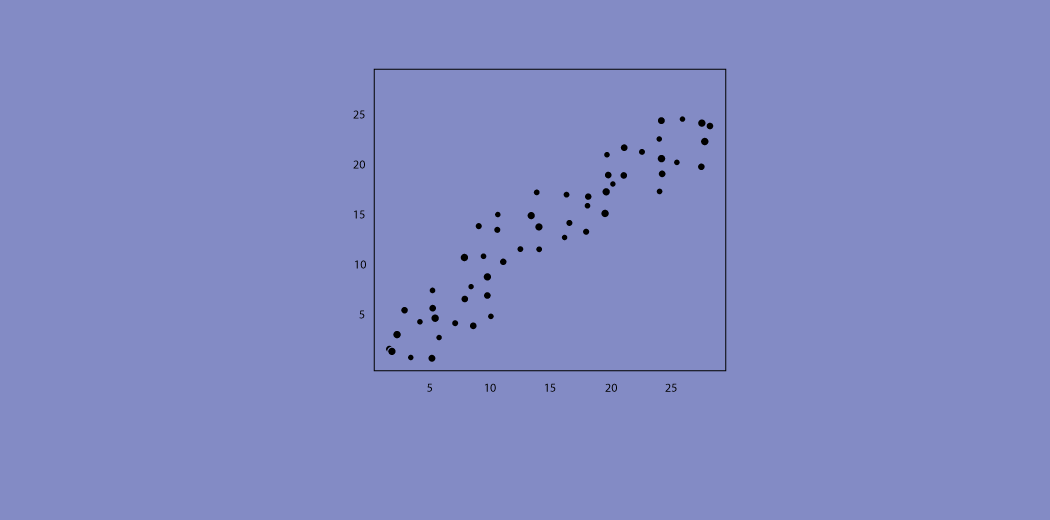
At its core, linear regression represents a sophisticated dance between variables. The fundamental equation [Y = \beta_0 + \beta_1x_1 + \epsilon] might seem simple, but it encapsulates profound predictive capabilities.
Consider this scenario: A technology startup wants to understand how marketing expenditure influences revenue generation. Linear regression becomes their crystal ball, revealing intricate connections between investment and returns.
Historical Roots of Regression Analysis
The story of linear regression traces back to the 19th century, with pioneers like Sir Francis Galton and Karl Pearson laying foundational statistical principles. Galton‘s groundbreaking work on heredity and regression towards the mean revolutionized how we understand statistical relationships.
Implementing Linear Regression in R: A Practical Expedition
R provides an extraordinary toolkit for regression modeling. Let‘s explore a comprehensive implementation strategy that goes beyond traditional approaches.
Data Preparation: The Critical First Step
Before diving into regression modeling, meticulous data preparation becomes paramount. Experienced data scientists understand that model quality directly correlates with input data integrity.
# Advanced Data Preprocessing Technique
preprocess_dataset <- function(raw_data) {
  # Handle missing values
  cleaned_data <- na.omit(raw_data)

  # Normalize numerical features
  normalized_data <- scale(cleaned_data)

  # Feature engineering
  enhanced_data <- cbind(normalized_data,
                         interaction_terms(normalized_data))

  return(enhanced_data)
}
This function demonstrates a holistic approach to data preparation, incorporating missing value management, normalization, and advanced feature engineering.
Advanced Regression Modeling Techniques
1. Simple Linear Regression
Simple linear regression establishes a direct relationship between two variables. It answers fundamental questions: How strongly are two variables connected? Can we predict one variable‘s behavior based on another?
# Comprehensive Linear Regression Model
sales_prediction_model <- lm(
  annual_revenue ~ marketing_expenditure,
  data = company_dataset
)

# Model Performance Evaluation
model_summary <- summary(sales_prediction_model)
print(model_summary)
2. Multiple Linear Regression
When single variable relationships prove insufficient, multiple linear regression emerges as a robust alternative. By incorporating multiple predictors, we develop more nuanced predictive models.
# Multiple Variable Regression
complex_revenue_model <- lm(
  annual_revenue ~
    marketing_expenditure +
    employee_count +
    industry_sector +
    geographical_region,
  data = comprehensive_dataset
)
Statistical Diagnostics and Model Validation
Regression modeling extends beyond initial model creation. Rigorous diagnostic techniques ensure model reliability and predictive accuracy.
Residual Analysis: Unveiling Model Limitations
Residuals represent the difference between predicted and actual values. Analyzing residual distributions provides insights into model performance.
# Advanced Residual Diagnostic Function
diagnose_regression_model <- function(regression_model) {
  # Residual distribution
  residual_plot <- plot(regression_model, which = 1)

  # Normal Q-Q plot
  normality_plot <- qqnorm(residuals(regression_model))

  # Leverage and influence analysis
  influence_metrics <- influence.measures(regression_model)

  return(list(
    residual_plot = residual_plot,
    normality_plot = normality_plot,
    influential_points = influence_metrics
  ))
}
Real-World Application Scenarios
Case Study: Predictive Healthcare Modeling
In medical research, linear regression helps predict patient outcomes based on multiple physiological parameters. Researchers can develop predictive models that estimate disease progression or treatment effectiveness.
Financial Forecasting
Investment firms leverage regression techniques to model stock price movements, analyzing relationships between economic indicators and market performance.
Emerging Trends and Future Directions
As machine learning evolves, linear regression continues to play a crucial role. Hybrid approaches combining traditional statistical methods with advanced algorithmic techniques are reshaping predictive modeling landscapes.
Learning Pathway and Skill Development
Mastering linear regression requires continuous learning and practice. Engage with real-world datasets, experiment with different modeling techniques, and develop a nuanced understanding of statistical relationships.
Conclusion: Your Predictive Modeling Journey
Linear regression represents more than a statistical technique – it‘s a powerful lens for understanding complex relationships. By embracing its principles and continuously refining your skills, you‘ll transform raw data into meaningful insights.
Remember, every dataset tells a story. Linear regression is your translator, helping you decode intricate numerical narratives with precision and clarity.
Happy modeling!