Mastering Facial Detection: Your Comprehensive Journey Through Kaggle‘s Machine Learning Landscape
The Genesis of a Machine Learning Adventure
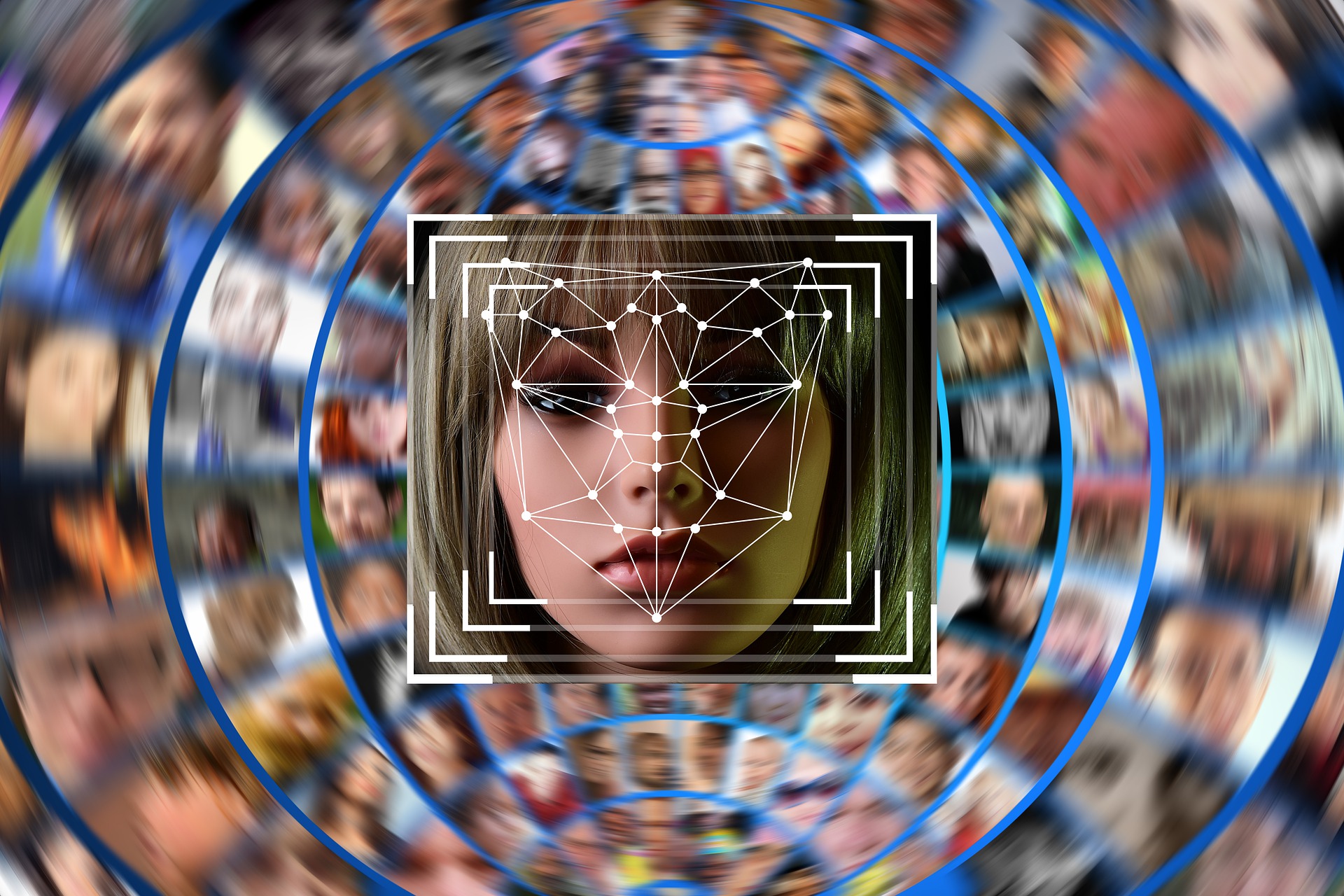
When I first encountered facial detection technology, it felt like stepping into a world where science fiction seamlessly merged with reality. Imagine standing before a computer that could recognize human faces with remarkable precision – a technology that transforms how we interact with digital systems.
My journey began not in a high-tech laboratory, but in a small home office, surrounded by curiosity and an insatiable desire to understand how machines could "see" and interpret human features. Kaggle became my gateway, a platform that would transform my scattered interests into a structured learning experience.
Understanding Kaggle: More Than Just a Platform
Kaggle isn‘t merely a website; it‘s an ecosystem where data scientists, machine learning enthusiasts, and researchers converge to solve complex challenges. Founded in 2010 and later acquired by Google, Kaggle represents a democratization of artificial intelligence knowledge.
The Community-Driven Learning Model
What sets Kaggle apart is its collaborative spirit. Unlike traditional learning platforms, Kaggle encourages direct competition and knowledge sharing. Imagine participating in a global hackathon where your code competes against solutions from data scientists across continents – that‘s the Kaggle experience.
The Technological Landscape of Facial Detection
Facial detection has evolved dramatically over the past decade. From rudimentary algorithms that struggled with varied lighting conditions to sophisticated neural networks capable of near-human recognition, the technological progression is nothing short of extraordinary.
Historical Progression of Face Recognition Technologies
The earliest facial detection systems relied on Haar cascades, a machine learning approach developed by Paul Viola and Michael Jones in 2001. These algorithms used fundamental image processing techniques to identify facial features through a cascade of classifiers.
[Haar(x) = \sum_{i=1}^{n} w_i * h_i(x)]Where [w_i] represents feature weights and [h_i(x)] represents individual haar-like features.
Modern deep learning approaches, particularly Convolutional Neural Networks (CNNs), have revolutionized facial detection. These networks can extract intricate facial characteristics with unprecedented accuracy.
Technical Architecture of Modern Facial Detection
Contemporary facial detection systems typically incorporate multiple technological layers:
- Image Preprocessing: Normalizing image characteristics
- Feature Extraction: Identifying unique facial landmarks
- Classification: Determining facial presence and attributes
- Refinement: Reducing false positive detections
Practical Implementation: Your First Facial Detection Project
Let‘s walk through a comprehensive facial detection implementation using Python and OpenCV. This practical example will demonstrate how theoretical concepts translate into functional code.
import cv2
import numpy as np
import matplotlib.pyplot as plt

class FaceDetector:
    def __init__(self, cascade_path):
        self.face_cascade = cv2.CascadeClassifier(cascade_path)

    def detect_faces(self, image_path):
        # Read image and convert to grayscale
        image = cv2.imread(image_path)
        gray = cv2.cvtColor(image, cv2.COLOR_BGR2GRAY)

        # Detect faces with sophisticated parameters
        faces = self.face_cascade.detectMultiScale(
            gray,
            scaleFactor=1.05,  # Slight image size reduction
            minNeighbors=6,    # Increased precision
            minSize=(30, 30)   # Minimum face size
        )

        return faces, image

    def visualize_detection(self, faces, image):
        for (x, y, w, h) in faces:
            cv2.rectangle(image, (x, y), (x+w, y+h), (0, 255, 0), 2)

        plt.imshow(cv2.cvtColor(image, cv2.COLOR_BGR2RGB))
        plt.axis(‘off‘)
        plt.show()
Navigating Computational Challenges
Facial detection isn‘t without challenges. Variations in lighting, facial angles, occlusions, and image quality can significantly impact detection accuracy. Machine learning models must be robust enough to handle these real-world complexities.
Ethical Considerations in Facial Recognition
As we delve deeper into facial detection technologies, ethical considerations become paramount. The power to identify and track individuals raises critical privacy and consent questions.
Responsible AI Development
Developing facial detection systems requires a nuanced approach:
- Transparent data usage policies
- Robust consent mechanisms
- Algorithmic fairness
- Minimal bias in training datasets
The Future of Facial Detection
Emerging technologies promise exciting advancements:
- Edge computing integration
- Real-time emotion recognition
- Enhanced privacy-preserving techniques
- Cross-domain application capabilities
Predictive Performance Metrics
Future facial detection systems will likely incorporate advanced performance indicators:
[Accuracy = \frac{True Positives + True Negatives}{Total Observations}]Your Learning Pathway
Kaggle offers an unparalleled learning experience. By combining competitive challenges, comprehensive datasets, and a global community, you can transform theoretical knowledge into practical expertise.
Recommended Learning Trajectory
- Master fundamental programming concepts
- Develop strong mathematical foundations
- Practice consistent hands-on coding
- Engage with community challenges
- Build a diverse project portfolio
Concluding Thoughts
Facial detection represents more than a technological marvel – it‘s a testament to human ingenuity. Each line of code, each algorithmic breakthrough, brings us closer to understanding how machines can perceive and interpret the world.
Your journey begins now. Embrace curiosity, remain persistent, and let Kaggle be your guide in this extraordinary machine learning adventure.
Happy coding!