Open Source Machine Learning: A Transformative Journey Through Collaborative Innovation
The Unexpected Path of Technological Discovery
Imagine standing at the crossroads of technological innovation, where lines of code become bridges connecting brilliant minds across continents. This is the world of open source machine learning – a realm where individual passion transforms global technological landscapes.
My journey began in a small university computer lab, surrounded by humming servers and endless possibilities. Back then, machine learning seemed like an enigmatic universe reserved for elite researchers. Today, I understand it‘s a collaborative canvas where every developer, regardless of background, can paint extraordinary technological masterpieces.
The Democratization of Artificial Intelligence
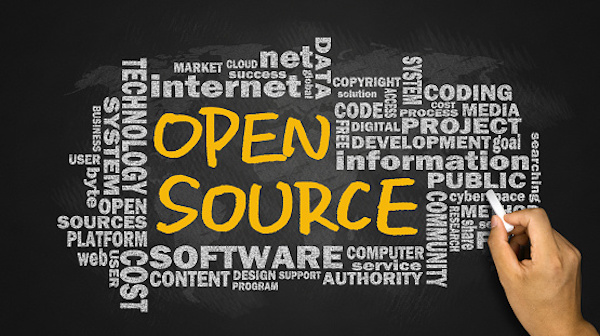
Open source machine learning represents more than software development; it‘s a social movement challenging traditional technological boundaries. By making sophisticated algorithms accessible, we‘re fundamentally reshaping how innovation happens.
Understanding the Open Source Ecosystem
Machine learning‘s open source ecosystem isn‘t just about code – it‘s about creating a global knowledge network. Each project represents a collaborative experiment, where developers worldwide contribute their expertise, challenging existing technological limitations.
The Philosophical Underpinnings
Open source philosophy transcends traditional software development. It embodies principles of transparency, collaboration, and collective intelligence. When developers share knowledge freely, technological progress accelerates exponentially.
Exploring Transformative Machine Learning Frameworks
TensorFlow: Google‘s Technological Masterpiece
TensorFlow isn‘t merely a library; it‘s a comprehensive computational ecosystem. Developed by Google‘s Brain team, this framework has revolutionized how we approach complex machine learning challenges.
Consider its journey: from an internal Google research tool to a global technological platform used by researchers, startups, and technology giants. TensorFlow‘s flexibility allows developers to build everything from simple linear regressions to complex neural networks handling intricate pattern recognition.
Technical Depth
TensorFlow‘s architecture supports multiple programming languages, enabling seamless integration across diverse technological environments. Its computational graph approach allows developers to design sophisticated machine learning models with unprecedented precision.
PyTorch: Facebook‘s Research-Driven Framework
Where TensorFlow offers comprehensive solutions, PyTorch provides dynamic computational capabilities. Created by Facebook‘s AI Research laboratory, PyTorch represents a more fluid, research-oriented approach to machine learning development.
Its primary strength lies in dynamic computational graphs, allowing researchers to modify model architectures during runtime. This flexibility makes PyTorch particularly attractive for cutting-edge research environments where experimentation is key.
The Human Element in Technological Innovation
Community-Driven Development
Behind every line of code in open source machine learning projects are passionate individuals driven by curiosity and a desire to push technological boundaries. These aren‘t just developers; they‘re modern-day explorers charting unknown technological territories.
Collaborative Learning Dynamics
Open source platforms create unique learning ecosystems. A junior developer in India can contribute to a project initiated by a researcher in California, creating a global knowledge exchange that transcends traditional educational and geographical limitations.
Emerging Trends and Future Perspectives
Ethical Considerations in Machine Learning
As machine learning becomes increasingly sophisticated, ethical considerations become paramount. Open source communities are at the forefront of developing frameworks that prioritize fairness, transparency, and accountability.
Federated Learning: The Next Frontier
Imagine machine learning models that can learn collaboratively without compromising individual data privacy. Federated learning represents this revolutionary approach, allowing distributed learning across multiple devices while maintaining data sovereignty.
Practical Implementation Strategies
Getting Started in Open Source Machine Learning
-
Build Foundational Knowledge
Develop strong programming skills, particularly in Python. Understand fundamental mathematical concepts like linear algebra and statistics. -
Engage with Communities
Join online forums, participate in GitHub discussions, and attend virtual conferences. Learning happens through active engagement. -
Start Small, Think Big
Begin with documentation improvements or minor bug fixes. Every contribution matters in the open source ecosystem.
The Personal Transformation
Contributing to open source machine learning isn‘t just about technological skills – it‘s a profound personal journey of continuous learning and growth.
Beyond Technical Skills
Through open source contributions, developers develop:
- Global perspective
- Collaborative communication skills
- Problem-solving capabilities
- Technological empathy
Conclusion: Your Technological Odyssey
Open source machine learning represents more than a technological trend. It‘s a global movement redefining how we approach innovation, learning, and collaboration.
Your journey starts with curiosity, commitment, and the courage to contribute. Whether you‘re a student, professional, or technology enthusiast, the open source world welcomes your unique perspective.
Remember, in this collaborative ecosystem, your code isn‘t just a technical artifact – it‘s a potential catalyst for global technological transformation.
Invitation to Action
Embrace the open source spirit. Start small, stay curious, and let your passion for technology guide you through this extraordinary journey.
The future of machine learning isn‘t written in isolation – it‘s crafted through collective imagination, one line of code at a time.