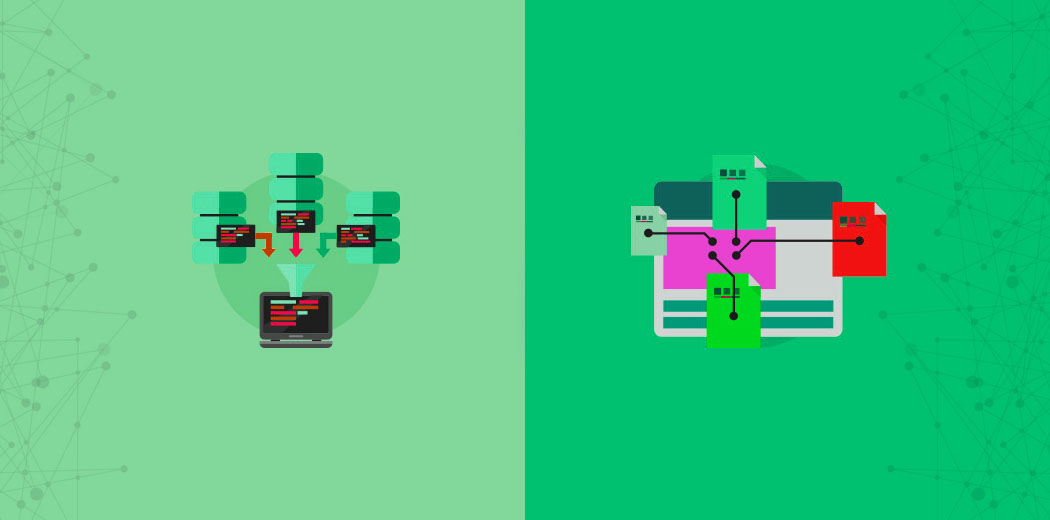
The Definitive Guide to SQL vs NoSQL Databases: A Journey Through Data Management Landscapes
Navigating the Complex World of Database Technologies
Imagine standing at the crossroads of technological innovation, where every decision could reshape how your organization manages, processes, and understands data. As someone who has spent decades exploring the intricate world of database technologies, I‘m excited to share a comprehensive journey through the fascinating realm of SQL and NoSQL databases.
The Genesis of Database Technologies
Database technologies aren‘t just lines of code or abstract computational concepts – they‘re living, breathing ecosystems that have dramatically transformed how businesses understand and leverage information. When relational databases first emerged in the early 1970s, they revolutionized data management, providing a structured approach to storing and retrieving complex information.
SQL databases represented a paradigm shift, introducing a standardized language that could communicate with data repositories in ways previously unimaginable. Picture a world where information was fragmented, siloed, and challenging to access. SQL emerged as a universal translator, bridging gaps and creating meaningful connections between disparate data points.
The Evolution of Data Complexity
As technological landscapes expanded, traditional database models began showing limitations. The explosion of digital information – driven by social media, IoT devices, and complex digital ecosystems – demanded more flexible, scalable solutions. This is where NoSQL databases entered the scene, challenging established paradigms and offering innovative approaches to data management.
Understanding SQL Databases: The Structured Approach
SQL databases represent a meticulously organized approach to data management. Think of them like a perfectly arranged library, where every book (or data record) has a precise location, carefully categorized and cross-referenced.
Architectural Foundations
The relational model underlying SQL databases creates intricate relationships between data tables. Each table becomes a sophisticated network of interconnected information, where primary and foreign keys establish complex logical connections. This structured approach ensures data integrity, consistency, and provides robust transactional capabilities.
Consider a banking system where every financial transaction requires absolute precision. SQL databases shine in such scenarios, offering ACID (Atomicity, Consistency, Isolation, Durability) properties that guarantee reliable, error-free operations.
Performance and Query Capabilities
SQL databases excel in scenarios requiring complex joins, aggregations, and intricate data manipulations. Their query optimization engines can transform complicated search operations into lightning-fast retrievals, making them ideal for enterprise-level applications with complex reporting requirements.
NoSQL Databases: Embracing Flexibility and Scale
NoSQL databases represent a paradigm shift from rigid, structured approaches to more dynamic, adaptable data management strategies. Imagine a flexible workspace that can instantly reconfigure itself based on changing requirements – that‘s the essence of NoSQL technology.
Diverse Data Model Approaches
Unlike SQL‘s uniform structure, NoSQL databases offer multiple data modeling approaches:
- Document Databases: Store data in flexible, JSON-like documents
- Key-Value Stores: Provide ultra-fast, simple data retrieval
- Wide-Column Stores: Allow dynamic column creation
- Graph Databases: Represent complex relationship networks
Horizontal Scalability and Performance
NoSQL databases fundamentally reimagine data distribution. Instead of relying on powerful single servers, they leverage distributed computing models, spreading data across multiple machines. This approach enables unprecedented scalability and performance, particularly for high-velocity, large-scale applications.
Comparative Analysis: Choosing the Right Approach
Selecting between SQL and NoSQL isn‘t about declaring a winner, but understanding contextual requirements. Each technology offers unique strengths that shine under specific circumstances.
Performance Considerations
SQL databases typically outperform in:
- Complex transactional environments
- Highly structured data scenarios
- Applications requiring strong consistency
NoSQL databases excel in:
- Massive horizontal scaling
- Handling unstructured data
- Real-time, high-throughput applications
Machine Learning and Database Technologies
From an artificial intelligence perspective, database selection profoundly impacts machine learning model performance. SQL databases provide clean, structured training datasets, while NoSQL offers flexibility for handling diverse, evolving data sources.
Training Data Management
Machine learning models require robust, scalable data infrastructure. NoSQL‘s ability to handle varied data types makes it particularly attractive for AI training pipelines, allowing seamless integration of diverse information sources.
Future Technological Trajectories
The future of database technologies isn‘t about SQL versus NoSQL, but intelligent, hybrid approaches that combine the best of both worlds. We‘re witnessing the emergence of polyglot persistence strategies, where different database technologies coexist and complement each other.
Emerging Trends
- Serverless database architectures
- AI-driven query optimization
- Self-healing distributed systems
- Integrated machine learning capabilities
Practical Implementation Strategies
When approaching database selection, consider these holistic evaluation criteria:
- Scalability requirements
- Data complexity
- Performance expectations
- Budget constraints
- Future technological roadmap
Conclusion: A Nuanced Technological Landscape
Database technologies represent more than mere storage solutions – they‘re the fundamental infrastructure enabling digital transformation. Whether you choose SQL, NoSQL, or a hybrid approach, the key is understanding your specific organizational needs and remaining adaptable.
As technology continues evolving, so too must our approach to data management. Stay curious, remain flexible, and never stop exploring the incredible possibilities at the intersection of data, technology, and human innovation.
About the Author
With decades of experience navigating complex technological landscapes, I‘ve witnessed firsthand the remarkable evolution of database technologies. This guide represents a distillation of practical insights, theoretical understanding, and passionate exploration of data management‘s intricate world.