Titanic Survival Prediction: Unraveling History Through Machine Learning
Discovering Human Stories in Data: A Journey of Prediction and Understanding
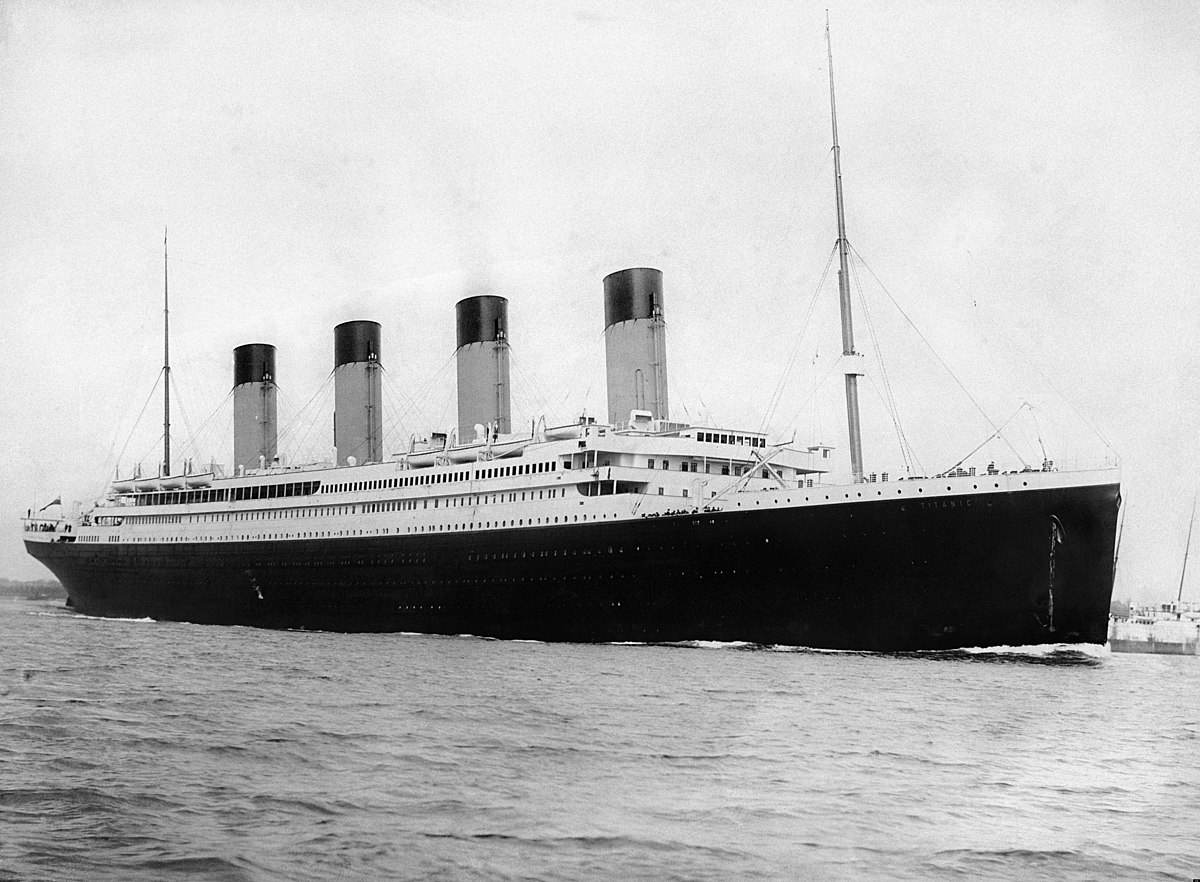
Imagine standing on the deck of the RMS Titanic in 1912, surrounded by passengers from different walks of life, each with a unique story waiting to be understood. Today, we‘ll transform this historical tragedy into a powerful learning experience using machine learning – turning raw data into human insights.
The Extraordinary Dataset That Changed My Perspective on Data Science
When I first encountered the Titanic dataset, I wasn‘t just looking at numbers. I was peering into a complex tapestry of human experiences, social dynamics, and survival probabilities. This dataset represents more than statistical analysis; it‘s a window into understanding human behavior under extreme circumstances.
A Glimpse into 1912: More Than Just a Shipwreck
The Titanic wasn‘t merely a maritime disaster. It was a floating microcosm of early 20th-century society, where social class, gender, and age dramatically influenced survival chances. Each passenger represented a unique narrative, compressed into rows and columns waiting to be decoded.
Decoding Survival: The Machine Learning Perspective
Our goal transcends simple prediction. We‘re embarking on a journey to understand how advanced algorithms can reconstruct historical narratives, revealing patterns invisible to the human eye.
The Data Science Detective‘s Toolkit
Think of yourself as a digital detective. Your mission? Uncover the hidden factors that determined survival on that fateful night. We‘ll use Python as our investigative tool, transforming raw data into meaningful insights.
Understanding the Dataset: Beyond Numbers
The Titanic dataset isn‘t just a collection of statistics. It‘s a complex ecosystem of human experiences. Let‘s break down what makes this dataset extraordinary:
Passenger Profiles: A Societal Cross-Section
Each record represents a person with a unique background:
- Socioeconomic status (passenger class)
- Family connections
- Age and gender
- Economic capacity (ticket price)
- Embarkation point
Advanced Feature Engineering: Transforming Raw Data
Feature engineering is where data science becomes an art form. We‘re not just processing numbers; we‘re creating meaningful representations of human experiences.
Age Categorization: Revealing Life Stage Impacts
def sophisticated_age_categorization(age):
    if pd.isna(age):
        return ‘Mystery Passenger‘
    elif age < 12:
        return ‘Childhood Innocence‘
    elif 12 <= age 18:
        return ‘Adolescent Uncertainty‘
    elif 18 <= age < 40:
        return ‘Prime Survival Years‘
    elif 40 <= age < 60:
        return ‘Experienced Survivor‘
    else:
        return ‘Wisdom of Age‘

titanic_data[‘Life_Stage‘] = titanic_data[‘Age‘].apply(sophisticated_age_categorization)
This approach transforms age from a simple number into a narrative dimension, revealing how life stages potentially influenced survival probabilities.
Machine Learning Models: Predictive Storytelling
We‘ll explore multiple algorithms, each offering a unique perspective on survival prediction:
Random Forest: The Ensemble Storyteller
Random Forest doesn‘t just predict; it creates a democratic narrative by aggregating multiple decision trees. Each tree represents a different survival scenario, voting on the most probable outcome.
from sklearn.ensemble import RandomForestClassifier
from sklearn.model_selection import cross_val_score

rf_model = RandomForestClassifier(
    n_estimators=150,
    max_depth=10,
    random_state=42
)

# Cross-validation to ensure robust performance
survival_probabilities = cross_val_score(
    rf_model,
    X_preprocessed,
    survival_labels,
    cv=5
)
Ethical Considerations: Responsible Prediction
As data scientists, we carry a profound responsibility. Our models don‘t just predict; they interpret human experiences. We must approach predictive modeling with empathy, understanding potential biases and limitations.
Bias Detection: Unveiling Hidden Patterns
Our models might inadvertently perpetuate historical inequalities. By carefully examining feature importance and model interpretability, we can create more nuanced, fair predictive systems.
The Human Side of Machine Learning
Data science isn‘t about cold calculations. It‘s about understanding human complexity, translating numbers into meaningful narratives.
Your Personal Data Science Expedition
This Titanic project is more than a technical exercise. It‘s an invitation to view the world through a data-driven lens, understanding how sophisticated algorithms can reveal hidden stories.
Conclusion: From Historical Tragedy to Technological Insight
The Titanic dataset represents a remarkable intersection of technology, history, and human experience. By applying machine learning techniques, we transform a tragic historical event into a profound learning opportunity.
Your journey in data science has just begun – a path of continuous discovery, empathy, and technological innovation.
Recommended Next Steps
- Experiment with different preprocessing techniques
- Explore more complex ensemble methods
- Study model interpretability
- Connect with data science communities
Remember, every dataset tells a story. Your job is to listen carefully and translate those whispers into meaningful insights.
Happy exploring, data detective!