Unlocking the Linguistic Potential: A Deep Dive into NLP Libraries for Indian Languages
The Linguistic Landscape of India: A Computational Odyssey
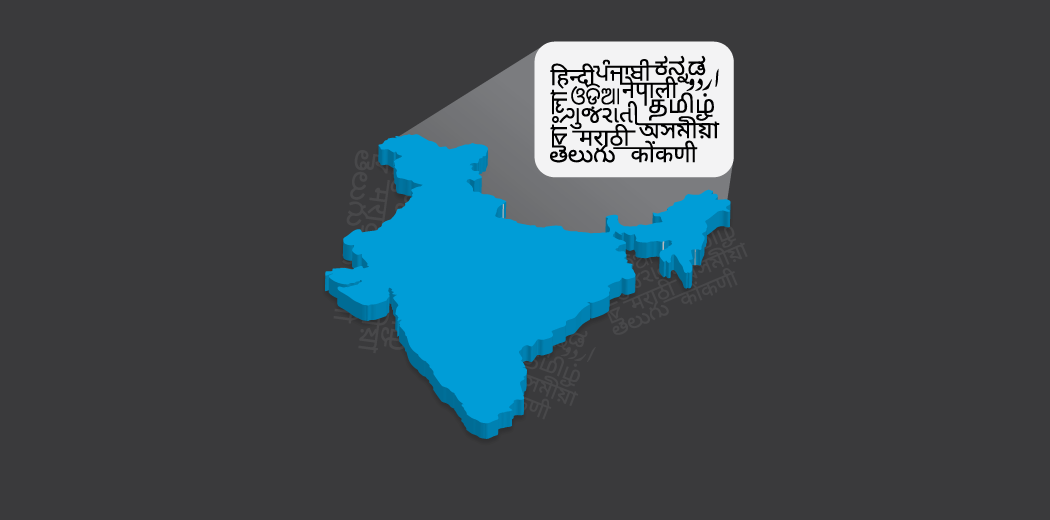
Imagine standing at the crossroads of linguistic diversity, where over 1,600 languages breathe life into a complex tapestry of human communication. India represents more than a geographical territory; it‘s a profound linguistic ecosystem that challenges and inspires computational linguists worldwide.
My journey into understanding Natural Language Processing (NLP) for Indian languages began with a simple yet profound realization: traditional computational approaches developed for European languages fall dramatically short when confronting the intricate nuances of Indian linguistic structures.
The Computational Challenge
When we talk about Indian languages, we‘re not discussing a monolithic linguistic system but an incredibly diverse network of languages that share complex grammatical relationships yet maintain distinct identities. Each language carries its own computational complexity, making NLP development a sophisticated challenge that requires deep understanding beyond mere algorithmic translation.
Historical Context: From Linguistic Isolation to Computational Integration
The story of Indian language computing is a narrative of persistent innovation. In the early days of digital technology, Indian languages were essentially digital orphans – marginalized and underrepresented in computational frameworks. Researchers and computer scientists faced seemingly insurmountable challenges in representing the intricate script systems, complex grammatical structures, and phonetic variations inherent in Indian languages.
Technological Evolution
The transformation began gradually. Early computational linguists realized that simply translating European language models wouldn‘t work. They needed to develop ground-up approaches that respected the unique characteristics of Indian linguistic systems.
Foundational NLP Libraries: Bridging Technological Gaps
Indic NLP Library: A Comprehensive Computational Toolkit
The Indic NLP Library emerged as a pioneering framework specifically designed to address the computational challenges of Indian languages. Unlike generic NLP libraries, this toolkit was meticulously crafted to understand the nuanced linguistic features of languages like Hindi, Bengali, Tamil, and beyond.
Key Architectural Innovations
What makes the Indic NLP Library remarkable is its deep understanding of linguistic morphology. Instead of treating languages as simple character sequences, it recognizes the complex grammatical structures that define Indian language communication.
Consider a practical implementation of script conversion:
from indicnlp.transliterate import transliterate

# Transliteration from Devanagari to Roman script
text = "नमस्ते दुनिया"
romanized_text = transliterate.transliterate(text, ‘hi‘, ‘en‘)
print(romanized_text)  # Outputs: namaste duniya
This seemingly simple function encapsulates years of linguistic research, understanding phonetic mappings, and computational linguistics principles.
Machine Learning Approaches: Beyond Traditional NLP
Neural Network Architectures for Low-Resource Languages
Traditional machine learning models struggle with Indian languages due to limited digital resources. Researchers have pioneered innovative transfer learning techniques that allow models to learn from resource-rich languages and adapt to low-resource Indian language contexts.
Transfer Learning Strategy
Imagine a machine learning model as a linguistic traveler. Instead of starting its journey from scratch in each language, it carries knowledge learned from other languages, adapting and refining its understanding through sophisticated neural network architectures.
Computational Linguistics: More Than Just Translation
NLP for Indian languages transcends simple translation. It‘s about capturing cultural nuances, understanding contextual meanings, and preserving linguistic heritage through technological innovation.
Challenges in Computational Representation
- Script Complexity: Many Indian languages use complex script systems with intricate character combinations.
- Grammatical Variations: Verb conjugations, honorifics, and contextual language use create significant computational challenges.
- Phonetic Diversity: Each language carries unique sound patterns that require sophisticated acoustic modeling.
Emerging Research Frontiers
Transformer Models and Generative AI
Recent advancements in transformer models like multilingual BERT and GPT variants have opened unprecedented opportunities for Indian language processing. These models can now generate contextually accurate text, understand semantic nuances, and even create human-like language interactions.
Practical Implementation Strategies
Building Robust NLP Pipelines
Successful Indian language NLP requires a multi-layered approach:
- Comprehensive preprocessing
- Advanced tokenization techniques
- Contextual feature engineering
- Robust error handling mechanisms
Ethical Considerations in AI Language Technologies
As we push computational boundaries, ethical considerations become paramount. How do we ensure that AI language technologies respect cultural contexts, avoid bias, and genuinely serve linguistic communities?
Inclusive Technology Development
The future of Indian language NLP lies not just in technological sophistication but in creating inclusive, culturally sensitive computational frameworks that empower linguistic diversity.
Looking Ahead: The Next Computational Frontier
The journey of NLP for Indian languages is far from complete. Each breakthrough reveals new complexities, challenges, and opportunities. As computational linguists and machine learning experts, we stand at an exciting intersection of technology and linguistic heritage.
Our work is not just about creating algorithms; it‘s about preserving and celebrating the rich linguistic diversity that makes human communication so wonderfully complex.
Conclusion: A Continuous Learning Journey
Natural Language Processing for Indian languages represents more than a technological challenge. It‘s a profound exploration of human communication, cultural identity, and computational creativity.
As we continue pushing technological boundaries, we‘re not just developing algorithms – we‘re building bridges of understanding across linguistic landscapes.
Invitation to Exploration
To fellow researchers, developers, and language enthusiasts: The computational world of Indian languages awaits your curiosity, creativity, and commitment.