The Future of Cashless Payments: Preparing Your Business for a World Without Cash
The way we pay for goods and services is changing rapidly. Physical money is quickly being replaced by digital payment methods that offer greater convenience, security and flexibility for both consumers and businesses. The COVID-19 pandemic has only accelerated the shift away from cash, as contactless payments became a matter of health and safety.
While the transition to a fully cashless society may have seemed like a far-off possibility just a few years ago, it‘s now a fast-approaching reality that businesses of all sizes need to prepare for. In this article, we‘ll explore what a cashless future looks like, the most important cashless payment trends to know, and steps you can take to get your business ready.
The Global Shift to Cashless Payments is Accelerating
The use of physical cash has been steadily declining for years, but the pandemic caused a major inflection point. A 2020 report by UK Finance found that cash payments in the UK fell by 35% during 2020. Many businesses stopped accepting cash altogether to minimize contact during transactions.
At the same time, cashless transactions have exploded in popularity worldwide:
• Digital wallet transactions exceeded cash for the first time in 2020, according to the FIS Global Payments Report.
• The same report predicts digital wallets will account for over half (52%) of global e-commerce payments by 2024.
• Sweden, the first cashless society, has seen the amount of cash in circulation fall by more than 50% in the last decade. The Swedish Riksbank estimates that cash transactions now make up only 9% of all payments.
• The Asia-Pacific region is leading the charge, with cashless transaction volume growing by over 100% from 2020-2025 according to PwC.
Many countries are evaluating central bank digital currencies (CBDCs) as the next evolution of money. CBDCs are digital versions of a country‘s fiat currency, backed and issued by the central bank. China, Japan, and Sweden are among those already testing CBDCs. An estimated 80% of central banks are engaging in CBDC research.
The Most Important Cashless Payment Methods for the Future
With cash on the decline, what are the primary ways people will pay digitally in the future? Here are some of the most significant cashless payment options for businesses to be aware of:
Mobile Wallets
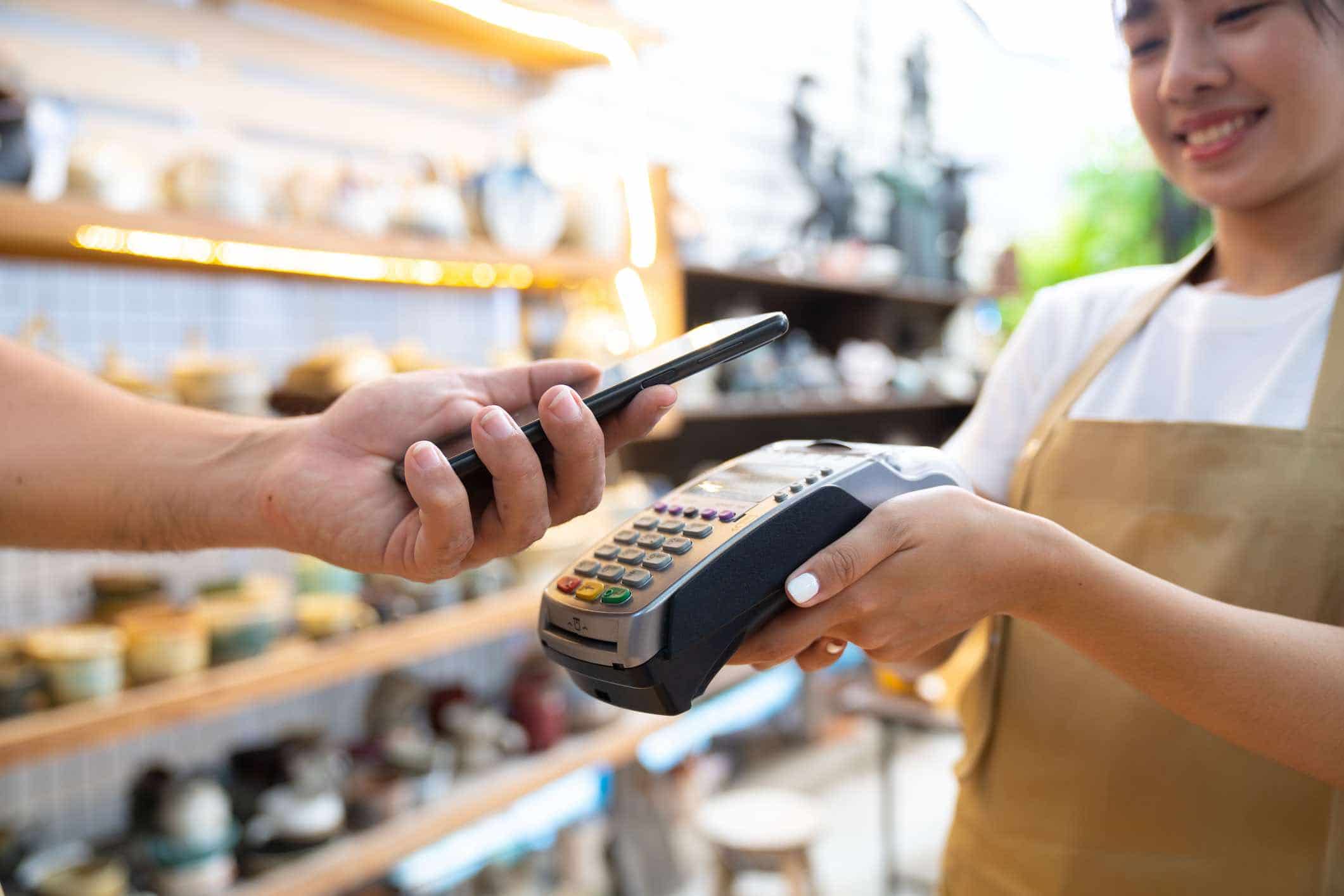
Mobile wallets like Apple Pay, Google Pay, and Samsung Pay are arguably the biggest cashless payment trend today. Instead of fumbling for cash or cards, customers simply tap their smartphone or smartwatch to a point-of-sale terminal to pay. Many mobile wallets also support online payments.
The global mobile wallet market is projected to reach $7.6 trillion by 2027, growing at a massive 28% CAGR. Juniper Research estimates that 60% of the world‘s population will use mobile wallets by 2026. PayPal alone has over 400 million active users.
Contactless Cards
Contactless credit and debit cards use the same NFC technology as mobile wallets, allowing cardholders to simply tap to pay. The pandemic caused contactless payment limits to increase in many countries to facilitate touch-free commerce.
While mobile wallets may be the future, contactless cards provide a convenient bridge as adoption grows. Visa reports there are now over 2 billion contactless cards worldwide. One study found that 85% of consumers expect stores to offer a contactless option.
QR Code Payments
With QR code payments, customers simply scan a unique code with their smartphone to be taken to a checkout page. It‘s an easy, secure way for businesses to accept payments without investing in hardware.
QR codes have become ubiquitous thanks to their use in COVID contact tracing. China has led the way in QR code payments, with $2.7 trillion in mobile transactions in 2020. The U.S. has been slower to adopt QR code payments but that‘s starting to change, with Paypal, Venmo, Square and major banks now supporting them.
Buy Now Pay Later
Point-of-sale installment loans, or Buy Now Pay Later (BNPL), have exploded in popularity especially with Millennial and Gen Z shoppers. BNPL allows customers to receive their purchase immediately and spread payments over time with no interest. Popular BNPL providers include Affirm, Afterpay, and Klarna.
BNPL accounted for 2.9% ($157B) of global e-commerce transactions in 2021 according to Worldpay. But that‘s expected to double to 5.3% by 2025. For businesses, offering BNPL can help boost sales by 20-30% and increase average order value.
How Tech Giants Are Pioneering New Cashless Payment Experiences
Major tech companies and retailers are betting big on a cashless future. Here‘s how some of the biggest players are innovating:
Amazon Palm Payments
In 2020, Amazon introduced Amazon One, allowing customers to pay with just their palm. Shoppers scan their palm at checkout and the payment is processed in seconds, without needing cash or a smartphone.
Walmart‘s Virtual Currency
Walmart has filed patents to create its own cryptocurrency and NFTs. The retailer also just launched "Walmart Land" and "Universe of Play" in Roblox, featuring virtual merchandise and games. While these are just experiments for now, Walmart clearly sees virtual currency playing a role in its future.
Apple‘s Tap to Pay
Earlier this year, Apple announced Tap to Pay, enabling businesses to accept contactless payments directly on an iPhone without any additional hardware. Block and Stripe will be among the first platforms to leverage it. As iPhones become ubiquitous POS terminals, Apple has the potential to disrupt traditional payment networks.
Google Teams with Coinbase
In a sign of crypto‘s growing utility for payments, Google is partnering with Coinbase to accept cryptocurrencies for its cloud services. The deal gives Google a foothold in the fast-growing Web3 industry while providing Coinbase with a new revenue stream beyond retail trading fees.
How to Prepare Your Business for a Cashless Future
So what steps can you take to ensure your business is ready for the cashless economy? Here are a few key considerations:
-
Upgrade your payments setup. Make sure you can accept a range of cashless options, including contactless cards, mobile wallets, and BNPL.
-
Go touchless. Scan-and-go systems, in-aisle checkout, and digital receipts can streamline the payment experience.
-
Incentivize digital payments. Consider offering rewards or discounts for customers who pay with digital methods.
-
Stay on top of new innovations. As the examples above show, the landscape is evolving fast. Follow the moves of major players and upstart fintechs alike.
-
Prioritize payment security. Data breaches are a major risk in a cashless world. Use a payment processor that is PCI-compliant and stays current with the latest security best practices.
The Long-Term Impact of a Cashless Society
The shift to digital payments will have far-reaching impacts on our economy and society. On the positive side, cashless payments can promote financial inclusion, reduce fraud and theft, and provide valuable data for businesses. We may see entirely new business models emerge.
But a cashless future also presents risks and challenges. Will those without access to banking or mobile devices be left behind? Could a fully digital monetary system lead to negative interest rates or intrusive surveillance? There are important questions to consider.
What‘s clear is that cash‘s days are numbered. Consumer behaviors have fundamentally changed and the digital shift will only accelerate. Businesses that embrace cashless payment innovation will have a major advantage, building loyalty with customers who expect a seamless, secure experience across channels. But making the transition will require forward-thinking leadership and investment.
Conclusion
The future is here when it comes to how we pay for the goods and services that power our lives. Many countries will likely be virtually cashless within the next decade, and the benefits are immense – instant, secure payments available anytime, anywhere with a tap or scan.
For businesses, adapting to this new era of payments is a strategic necessity, not a nice-to-have. By enabling diverse cashless payment methods, staying current on emerging technologies like crypto and CBDCs, and prioritizing the digital experience, you can ensure your business thrives in an exciting cashless future. Now is the time to take action.