What‘s Your Sales Spirit Animal? Discover Your True Selling Nature in 2024
Forget spirit animals like wolves, dolphins or butterflies. In the world of sales, we have our own sacred creatures: sharks, dogs, owls and lions.
First introduced by Miller Heiman Group sales strategists in the early 2000s, the concept of "sales animals" has become a popular framework for understanding the different selling styles that exist within organizations. Much like personality assessments such as Myers-Briggs or DiSC, identifying your sales animal archetype provides valuable insight into your innate strengths, motivators and potential blind spots as a sales professional.
But the sales animal model is more than just a novelty or self-reflection tool. When taken seriously, it can be the key to unlocking next-level performance for entire revenue teams. Research by Salecology found that organizations that purposefully hire for diverse selling styles and adapt coaching to each type see a 23% boost in revenue on average.
The Sales Animal Ecosystem
So what exactly defines each sales creature? Let‘s take a closer look at their unique traits:
Sharks
Sharks are relentless, ruthless and always on the hunt for their next deal. They pursue every lead with singular focus and won‘t take no for an answer. Sharks live for the thrill of closing and are driven by money, status and a primal need to be on top.
Common Shark Traits:
- Assertive
- Persistent
- Disciplined
- Risk-tolerant
- Impatient
Motivators:
- Competition
- Autonomy
- Money
- Respect
- Winning
Ideal Shark Roles:
- Business development
- Transactional sales
- Time-sensitive deals
Sharks in the Wild:
-
Jordan Belfort, the notorious "Wolf of Wall Street", displayed all the classic shark traits of hunger, competitiveness and a singular focus on individual gain (to a fault).
-
Zig Ziglar, the legendary sales coach and motivational speaker, channeled his shark-like discipline and drive into a long career of inspiring others to sell with purpose.
Dogs
If sharks attack their targets head-on, dogs win through a slow game of trust and loyalty. Patient, empathetic and innately likeable, dogs are the ultimate relationship builders. They have a knack for picking up on people‘s feelings and strive to be seen as a helpful ally rather than a pushy salesperson.
Common Dog Traits:
- Trustworthy
- Perceptive
- Patient
- Flexible
- Generous
Motivators:
- Helping others
- Teamwork
- Stability
- Purpose
- Affirmation
Ideal Dog Roles:
- Account management
- Customer success
- Complex solution selling
Dogs in the Wild:
-
Dale Carnegie, author of the classic "How to Win Friends and Influence People", epitomized the dog archetype with his emphasis on gentleness, empathy and human connection in selling.
-
Mary Kay Ash, founder of the iconic cosmetics company, built a loyal sales force on the backs of her dog-like relationship building skills and desire to enrich women‘s lives.
Owls
Owls are the cerebral analysts of the sales world. Detail-oriented, fact-based and endlessly inquisitive, they strive to position themselves as expert consultants to their clients. While not always the most dynamic personalities, owls‘ deep knowledge and careful approach instills trust.
Common Owl Traits:
- Analytical
- Dutiful
- Organized
- Cautious
- Meticulous
Motivators:
- Expertise
- Preparedness
- Dependability
- Accuracy
- Stability
Ideal Owl Roles:
- Technical sales
- Consulting
- Methodical solution selling
Owls in the Wild:
-
Steve Jobs, though known as a visionary leader, had many owl traits in his unrelenting pursuit of technical perfection and tendency to get lost in product details.
-
Jill Konrath, sales strategist and author, embodies the owl archetype with her analytical approach and emphasis on deep product knowledge as a differentiator.
Lions
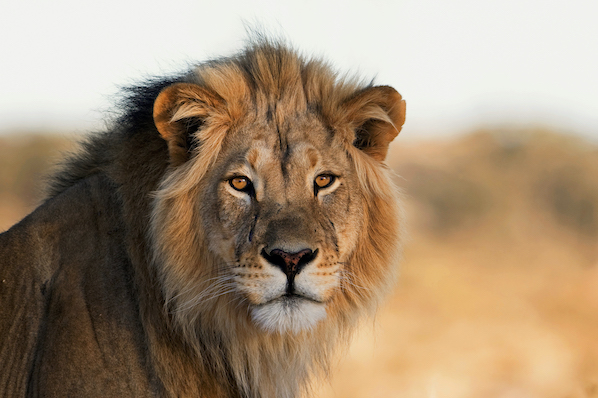
Lions are the alpha leaders of the sales ecosystem. Charismatic, decisive, and naturally authoritative, they command attention in any room. Lions have a gift for seeing the big picture and rallying their teams around a vision. While they may not have the patience for details, their bold confidence inspires action.
Common Lion Traits:
- Inspiring
- Decisive
- Strategic
- Dominant
- Impatient
Motivators:
- Influence
- Risk
- Recognition
- New challenges
- Legacy
Ideal Lion Roles:
- Sales leadership
- Enterprise account exec
- Visionary founder/entrepreneur
Lions in the Wild:
-
Marc Benioff, founder of Salesforce, exemplifies lion-like showmanship, ability to evangelize a vision and competitive drive to be #1.
-
Sheryl Sandberg, former COO of Facebook, demonstrated a lion‘s knack for decisive action, strategic thinking and inspiring leadership throughout her storied tech career.
Identifying Your Inner Sales Animal
Now that we understand the different archetypes, how can you identify your own primary sales animal? The key is tuning into your natural tendencies and motivators.
Take our quick 8-question quiz to uncover your true sales spirit animal:
-
When chasing a major deal, you:
a. Relentlessly stay on the hunt until it‘s closed – it‘s you or them!
b. Focus on building trust and proving you have the client‘s best interest at heart
c. Meticulously map out each stage of the deal cycle with airtight logic
d. Rally your team around a bold vision of what winning the deal will mean -
Your top priority for the next quarter is:
a. Blowing out your quota and booking the President‘s Club trip
b. Getting glowing client reviews and referrals from your accounts
c. Becoming an expert in your prospect‘s industry to boost your credibility
d. Promoting to a team lead role where you can make a bigger impact -
In first sales calls, you rely on:
a. A bold, assertive pitch that creates urgency
b. Warm rapport and getting prospects to open up about needs
c. Sharing relevant case studies and ROI data points
d. Painting an inspiring big picture of what‘s possible -
When negotiating terms, your instinct is to:
a. Stand firm – you can‘t let them think they have the upper hand
b. Find a middle ground where everyone feels good
c. Convince them with objective facts and risk/benefit analysis
d. Appeal to shared winning vision to get alignment -
Choosing your next sales role, you prioritize:
a. Uncapped commission potential in a fast-paced environment
b. A tight-knit, collaborative team with a culture of helping each other
c. Working with complex products that require expertise
d. The chance to be in a leadership role and inspire people -
During a challenging deal, you get stressed by:
a. Prospects who can‘t make a quick decision and are wasting your time
b. Feeling like you damaged trust or can‘t deliver on a promise
c. Not being the smartest one in the room on technical topics
d. Lack of control or visibility into all key stakeholders and influencers -
Your nightmare prospect is:
a. Totally unresponsive and apathetic to any of your outreach
b. Confrontational and closed off to personal connection
c. Disinterested in your detailed analysis, only focused on price
d. Disorganized with a dysfunctional buying process -
The sales metric you care about most is:
a. Closed deals and quota attainment
b. Net promoter score and referrals from happy clients
c. Sales cycle length and pipeline accuracy
d. Team revenue goal attainment and people developed
Tally up your responses and find your matching sales animal:
- Mostly A‘s = Shark
- Mostly B‘s = Dog
- Mostly C‘s = Owl
- Mostly D‘s = Lion
Unleashing Your Pack‘s Potential
Of course, like real humans, most salespeople are a combination of different animals vs. purely one archetype. You might be a shark first, but with strong dog and lion tendencies.
The magic happens not just when you know your own type, but when you understand how to identify and harmonize the different animals within your team.
HubSpot research on over 500 B2B sales teams found that the top-performing 10% had a relatively balanced mix of all four selling styles:
| Sales Animal | % of Top Teams |
|---|---|
| Sharks | 27% |
| Dogs | 26% |
| Owls | 23% |
| Lions | 24% |
In contrast, low-performing teams tended to skew heavily in one direction (usually toward sharks and lions). Without diversity of style, key bases were left uncovered. All hunt and no nurture makes for an unbalanced revenue ecosystem.
The lesson? As a sales leader, you must build your pack with intention. Hire for the natural traits you lack. Tailor your coaching to bring out the best in each rep‘s innate strengths. Pair up different animals on sales calls, so they can watch and learn from each other.
Consider a team that‘s overflowing with assertive sharks. Deals may flow in at first, but what happens to those relationships after the close? That‘s where the trusty dogs come in to tame the sharks‘ bite and pave the way for expansion revenue.
Or take the analytical owls – their detailed demos may fall flat if not balanced out by a visionary lion who can inspire clients to dream bigger. Pair an owl and lion together for a one-two punch of credibility and charisma.
Evolving to 2024 Selling Behaviors
In the two decades since the sales animal framework emerged, the world of B2B buying and selling has evolved dramatically. Modern sales pros must contend with digitally-savvy buyers, non-linear deal cycles and an explosion of new sales tech.
The natural instincts of each sales animal remain highly relevant – arguably even more so as trust becomes a scarce commodity. But like Darwin‘s finches, the most successful sellers will be the ones who can adapt their native traits to new realities:
Sharks – From Lone Hunter to Social Seller
In 2024, sharks won‘t get far relying solely on cold calling and raw assertiveness. Modern B2B buyers are inundated with pitches and deeply skeptical of the hard sell.
Sharks must channel their killer instincts into building a dominant online presence. Sending relentless cold email sequences won‘t cut it. Top sharks will become content creators and thought leaders, strategically "social selling" with insights that create real value for prospects.
Dogs – From In-Person Charm to Digital Trust
The days of deals sealed on the golf course or over long boozy dinners may be dwindling for dogs. In an era where more selling happens over Zoom than face-to-face, dogs must get creative about forging personal bonds.
The emerging Web3 realm of the metaverse could become the new playground for dogs to create immersive relationship-building experiences for clients. A virtual "face-to-face" in Meta‘s Horizon Worlds may be the 2024 equivalent of a steak dinner.
Owls – From Dusty Brochures to Viral Insights
With buyers able to Google their way to a base level of product knowledge, owls risk losing their edge if they continue to rely on traditional collateral and one-way presentations.
To stand out in 2024, owls must transform from mere subject matter experts into evangelizing teachers. Think TED talks, interactive digital whiteboards and dynamic knowledge hubs. The modern owl crafts a personal brand around sharing valuable wisdom that educates the masses.
Lions – From Top-Down Edict to Bottom-Up Vision
The reign of the lion as the ultimate sales leader will persist in 2024, but the scepter of power will look different. In flatter, more agile organizations, lions won‘t be able to simply issue commands and expect them to be followed.
The new pride leader will be less a king, and more a magnetic visionary. Lions must excel at cultivating mass buy-in for their revenue goals, and equipping reps with a sense of deeper purpose. They‘ll focus more on serving and empowering teams vs. ruling over them.
Embracing Your Sales Spirit Animal
Regardless of how the tactics change, the core promise of the sales animal model remains – true sales success comes from authenticity.
When you know your native selling style, you can lean into your unique gifts. You don‘t have to be the loudest or most gregarious person in the room to be effective. Focus first on sharpening your innate edge.
At the same time, learn to appreciate the other animals in your ecosystem. The magic happens not when we all try to be sharks or lions, but when each creature is supported to thrive.
So let your sales spirit animal run wild – it will smell the opportunity miles away. Just save some meat for the rest of your pack!