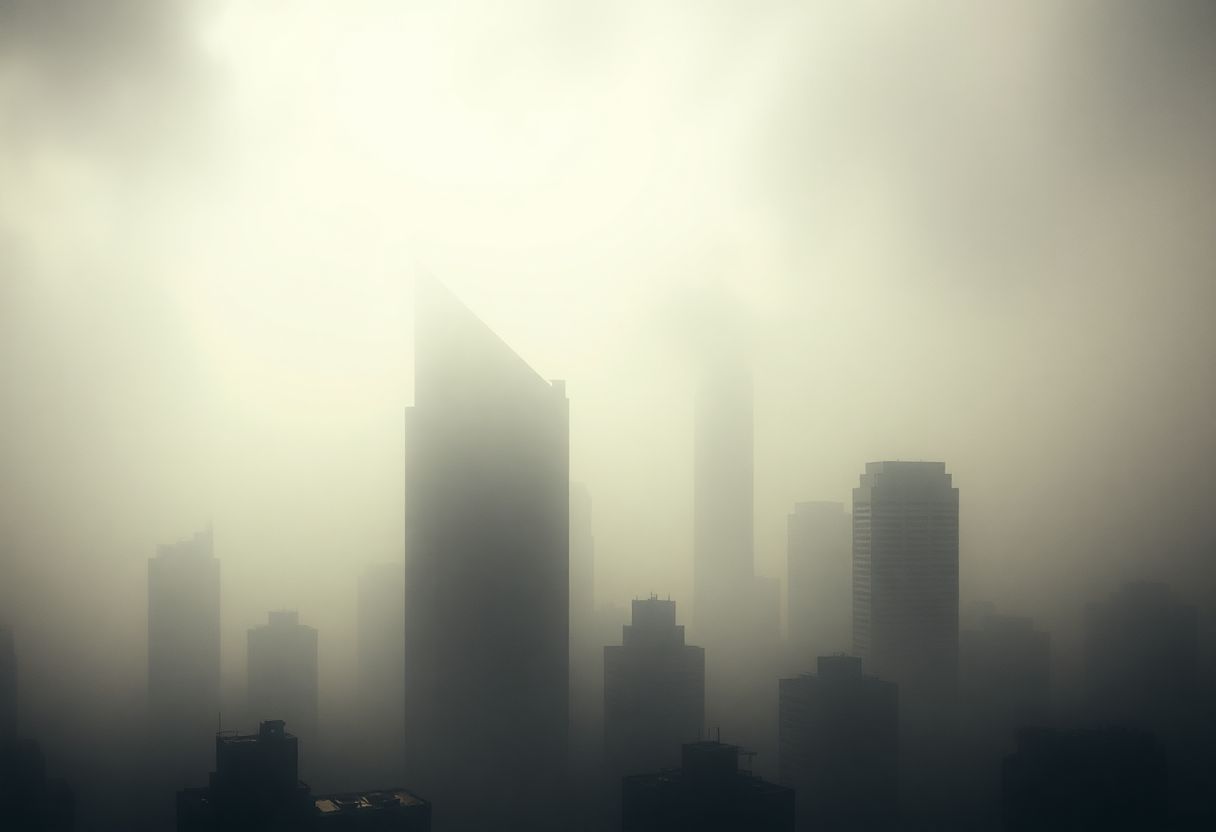
Air Pollution: An Invisible Threat to Global Health and Environment
Introduction: The Silent Menace in Our Air
The air we breathe, essential for life itself, has become an invisible carrier of danger in many parts of the world. Air pollution, a complex mixture of particulate matter, noxious gases, and other harmful substances, has emerged as one of the most pressing environmental and public health challenges of our time. As our cities expand and industries grow, the quality of the air around us is increasingly compromised, affecting billions of people worldwide and contributing to millions of premature deaths each year.
In this comprehensive exploration, we'll delve deep into the causes, effects, and potential solutions to air pollution, examining it from both local and global perspectives. By gaining a thorough understanding of this critical issue, we can all play a role in working towards cleaner, healthier air for ourselves and future generations.
Understanding Air Pollution: A Closer Look at the Culprits
Air pollution, at its core, refers to the presence of substances in the atmosphere that can harm human health, damage the environment, or cause other detrimental effects. While some air pollution stems from natural sources like volcanic eruptions or wildfires, the vast majority in our modern world is a direct result of human activities.
The Main Components of Air Pollution
-
Particulate Matter (PM): These tiny particles suspended in the air are perhaps the most well-known form of air pollution. PM is typically categorized by size, with PM2.5 (particles smaller than 2.5 micrometers in diameter) being of particular concern due to its ability to penetrate deep into the lungs and even enter the bloodstream.
-
Ground-level Ozone: Often referred to as "bad ozone," this pollutant forms when nitrogen oxides and volatile organic compounds react in the presence of sunlight. It's a major component of smog and can cause respiratory issues.
-
Nitrogen Oxides (NOx): Primarily produced by vehicle emissions and industrial processes, NOx contributes to the formation of both ground-level ozone and acid rain.
-
Sulfur Dioxide (SO2): Mainly emitted from the burning of fossil fuels containing sulfur, SO2 is a major contributor to acid rain and can cause respiratory problems.
-
Carbon Monoxide (CO): This odorless, colorless gas is produced by the incomplete combustion of fossil fuels and can be deadly in high concentrations.
-
Volatile Organic Compounds (VOCs): These are emitted as gases from certain solids or liquids and include a variety of chemicals that can have short- and long-term health effects.
-
Heavy Metals: Pollutants like lead and mercury can be released into the air through industrial processes and have serious health implications, particularly for children.
Understanding the composition of air pollution is crucial for developing targeted strategies to combat it. Each of these pollutants has unique sources, behaviors in the atmosphere, and health impacts, necessitating a multifaceted approach to air quality management.
Major Sources of Air Pollution: From Tailpipes to Smokestacks
Transportation: The Road to Pollution
Vehicle emissions stand as one of the largest contributors to air pollution, especially in urban areas. The sheer number of cars, trucks, buses, and other motor vehicles on our roads, combined with traffic congestion in cities, makes transportation a major ongoing source of air pollution worldwide.
Modern vehicles release a cocktail of pollutants, including:
- Carbon monoxide, which can cause dizziness, headaches, and even death in high concentrations
- Nitrogen oxides, key precursors to ground-level ozone and acid rain
- Particulate matter, especially from diesel engines, which can penetrate deep into the lungs
- Volatile organic compounds, which contribute to smog formation
According to the International Energy Agency, the transport sector was responsible for approximately 24% of global CO2 emissions in 2020, highlighting its significant role in both air pollution and climate change.
Industry and Power Generation: The Price of Progress
Industrial facilities and power plants that burn fossil fuels like coal and oil are major sources of air pollution. These sources release significant amounts of:
- Sulfur dioxide, a primary contributor to acid rain
- Nitrogen oxides, which play a role in both acid rain and smog formation
- Particulate matter, including fine particles that can lodge deep in the lungs
- Mercury and other heavy metals, which can have serious neurological impacts
Despite the global shift towards cleaner energy sources, coal-fired power plants remain a significant source of air pollution. The International Energy Agency reports that coal-fired power plants were responsible for about 30% of global CO2 emissions in 2018.
Agriculture: The Overlooked Polluter
While often overlooked in discussions of air pollution, agricultural activities contribute significantly to the problem through:
- Ammonia emissions from livestock waste and fertilizer use, which can react with other pollutants to form particulate matter
- Methane from livestock and rice paddies, a potent greenhouse gas
- Particulate matter from plowing fields and burning crop residues
The Food and Agriculture Organization of the United Nations estimates that agriculture is responsible for about 24% of global greenhouse gas emissions, a significant portion of which contributes to air pollution.
Household Energy Use: The Indoor Threat
In many parts of the world, particularly in developing countries, household cooking and heating with solid fuels like wood, crop waste, and dung is a major source of indoor air pollution. This practice releases high levels of particulate matter and other pollutants inside homes, leading to severe health impacts for billions of people worldwide.
The World Health Organization estimates that around 3 billion people still cook using solid fuels and open fires, highlighting the scale of this often-overlooked source of air pollution.
Natural Sources: Nature's Contribution
While human activities are the primary driver of air pollution, natural sources also play a role:
- Dust storms, particularly in arid regions, can release large amounts of particulate matter into the air
- Wildfires, which are becoming more frequent and severe due to climate change, release smoke and other pollutants
- Volcanic eruptions can inject large amounts of sulfur dioxide and ash into the atmosphere
- Pollen and mold spores, while natural, can exacerbate respiratory issues for many people
These natural sources can interact with and exacerbate human-caused pollution, creating complex air quality challenges in many regions.
Health Effects of Air Pollution: A Body-Wide Impact
The health impacts of air pollution are far-reaching and can affect nearly every system in the human body. Recent research has shed light on just how pervasive these effects can be, highlighting the urgent need for action to improve air quality worldwide.
Respiratory System: Breathing Trouble
The respiratory system is perhaps the most obviously affected by air pollution. Key impacts include:
- Increased risk of asthma and other respiratory diseases: Exposure to air pollutants can trigger asthma attacks and contribute to the development of chronic respiratory conditions.
- Reduced lung function and lung inflammation: Long-term exposure to air pollution can lead to decreased lung capacity and chronic inflammation of lung tissue.
- Higher susceptibility to respiratory infections: Pollutants can damage the protective mechanisms in the respiratory tract, making individuals more vulnerable to infections like pneumonia.
A landmark study published in the New England Journal of Medicine in 2018 found that long-term exposure to air pollution was associated with emphysema progression similar to smoking a pack of cigarettes daily for 29 years.
Cardiovascular System: Heart Under Siege
Air pollution's effects on the cardiovascular system are equally concerning:
- Increased risk of heart disease and stroke: Fine particulate matter can enter the bloodstream, contributing to the buildup of plaque in arteries.
- Higher blood pressure: Both short-term and long-term exposure to air pollution has been linked to increased blood pressure.
- Irregular heartbeat: Some pollutants can interfere with the heart's electrical system, leading to arrhythmias.
The American Heart Association states that exposure to PM2.5 over a few hours to weeks can trigger cardiovascular disease-related mortality and nonfatal events, while longer-term exposure increases the risk for cardiovascular mortality to an even greater extent.
Nervous System: Cognitive Concerns
Emerging research has highlighted air pollution's impacts on the nervous system:
- Cognitive decline and increased risk of dementia: Long-term exposure to air pollution has been associated with accelerated cognitive decline in older adults.
- Potential links to depression and anxiety: Some studies suggest a correlation between air pollution exposure and increased rates of mental health disorders.
A study published in PNAS in 2018 found that long-term exposure to air pollution was associated with a significant reduction in verbal and math test scores among older adults in China.
Reproductive System: Generational Effects
Air pollution can have significant impacts on reproductive health:
- Reduced fertility: Exposure to certain air pollutants has been linked to decreased fertility in both men and women.
- Increased risk of pregnancy complications and low birth weight: Maternal exposure to air pollution during pregnancy has been associated with a range of adverse birth outcomes.
A systematic review published in Human Reproduction Update in 2017 found consistent evidence of associations between exposure to air pollution and reduced fertility, higher risk of pregnancy loss, and other adverse reproductive health outcomes.
Cancer: A Clear Carcinogen
The International Agency for Research on Cancer (IARC) has classified outdoor air pollution as a Group 1 carcinogen, meaning it is known to cause cancer in humans. Key findings include:
- Strong links to lung cancer: Long-term exposure to particulate matter significantly increases the risk of lung cancer.
- Potential increased risk of other cancers: Some studies suggest possible links between air pollution and cancers of the bladder, kidney, and other organs.
A large-scale study published in the International Journal of Cancer in 2021 found that long-term exposure to PM2.5 was associated with an increased risk of lung cancer, even at levels below current air quality standards.
Other Effects: A Wide-Ranging Impact
Air pollution's health effects extend beyond these major systems:
- Eye irritation and increased risk of eye diseases
- Skin problems, including accelerated aging and exacerbation of conditions like eczema
- Headaches and dizziness, particularly with exposure to high levels of certain pollutants
It's crucial to note that air pollution affects different groups disproportionately. Children, the elderly, and those with pre-existing health conditions are often most vulnerable to its effects. Additionally, low-income communities and communities of color are often exposed to higher levels of air pollution, exacerbating existing health disparities.
Environmental Impacts of Air Pollution: Beyond Human Health
While the health impacts of air pollution are severe, its effects on the environment are equally concerning and far-reaching. Air pollution interacts with natural systems in complex ways, often leading to cascading effects that can alter ecosystems and contribute to global environmental challenges.
Climate Change: The Intertwined Crisis
Many air pollutants, particularly those resulting from the burning of fossil fuels, are also greenhouse gases that contribute to global warming and climate change. This creates a feedback loop where air pollution exacerbates climate change, which in turn can lead to conditions that worsen air quality.
Key pollutants contributing to climate change include:
- Carbon dioxide (CO2): The primary greenhouse gas, mainly produced by burning fossil fuels
- Methane: A potent greenhouse gas with a warming potential 28-36 times that of CO2 over 100 years
- Black carbon: A component of particulate matter that absorbs sunlight and warms the atmosphere
The Intergovernmental Panel on Climate Change (IPCC) has emphasized the urgency of addressing both air pollution and climate change simultaneously, noting that many strategies to reduce air pollution also have climate benefits.
Acid Rain: Corrosive Consequences
Sulfur dioxide and nitrogen oxides released into the air can lead to the formation of acid rain, which has wide-ranging environmental impacts:
- Damage to forests: Acid rain can leach nutrients from the soil and directly damage tree leaves and needles
- Soil degradation: Acidification of soil can alter its chemistry, affecting plant growth and microbial communities
- Water pollution: Acid rain can increase the acidity of lakes and streams, harming aquatic life
While regulations have reduced acid rain in some parts of the world, it remains a significant problem in many regions, particularly in Asia where coal use remains high.
Ozone Depletion: A Healing Layer at Risk
Certain pollutants, particularly chlorofluorocarbons (CFCs), have contributed to the depletion of the ozone layer in the Earth's stratosphere. While international efforts like the Montreal Protocol have helped address this issue, the ozone layer remains vulnerable:
- Continued emissions of ozone-depleting substances
- Potential impacts of climate change on ozone recovery
A 2018 study published in Nature identified an unexpected rise in CFC-11 emissions, highlighting the ongoing need for vigilance in protecting the ozone layer.
Ecosystem Damage: Biodiversity at Risk
Air pollution can harm plants and animals in numerous ways, disrupting entire ecosystems:
- Damage to crops: Ground-level ozone can significantly reduce crop yields
- Reduced biodiversity: Air pollution can alter habitats and affect species' ability to survive and reproduce
- Negative impacts on wildlife health: Pollutants can accumulate in animals' bodies, leading to various health problems
A global assessment published in Nature Plants in 2018 estimated that ozone pollution alone causes annual global yield losses of 4-12% for major staple crops.
Water Pollution: From Air to Sea
Air pollutants don't remain in the atmosphere indefinitely. Many eventually settle into water bodies, contributing to water pollution and harming aquatic ecosystems:
- Eutrophication: Nitrogen compounds from the air can lead to excessive algae growth in water bodies
- Ocean acidification: As the oceans absorb more CO2 from the atmosphere, they become more acidic, threatening marine life
A study published in Science in 2018 found that human-caused ocean acidification is already affecting large regions of the surface ocean.
Global Air Pollution Trends: A World in Haze
While air quality has improved in many developed countries in recent decades due to stringent regulations and technological advancements, it remains a severe problem in many parts of the world. Understanding these global trends is crucial for developing effective international strategies to combat air pollution.
Rapidly Industrializing Nations: The Price of Progress
Countries like China and India, experiencing rapid economic growth and industrialization, face major air quality challenges in their cities:
- In China, despite significant improvements in recent years, many cities still experience high levels of PM2.5. The government's "war on pollution" has led to a 33% decrease in particulate pollution in 74 cities between 2013 and 2017, according to a study published in Environmental Research Letters.
- India continues to struggle with severe air pollution, particularly in urban areas. New Delhi, the capital, frequently experiences PM2.5 levels many times higher than WHO guidelines. A study published in The Lancet Planetary Health estimated that air pollution was responsible for 1.67 million deaths in India in 2019.
African Cities: A Growing Concern
Many African cities are seeing worsening air pollution as urbanization increases:
- Rapid population growth, increasing vehicle use, and reliance on solid fuels for cooking contribute to deteriorating air quality.
- A 2019 study published in Nature Communications found that air pollution-related deaths in Africa increased by 57% between 1990 and 2017.
Developed Nations: Progress and Persistent Challenges
Even in countries with stricter regulations, air pollution levels often exceed WHO guidelines:
- In the United States, despite significant improvements since the Clean Air Act was passed, the American Lung Association's "State of the Air" 2021 report found that more than 40% of Americans live in areas with unhealthy levels of ozone or particle pollution.
- In Europe, while air quality has generally improved, many cities still struggle with NO2 pollution from diesel vehicles. A 2019 report by the European Environment Agency estimated that exposure to fine particulate matter caused about 307,000 premature deaths in the EU in 2019.
Global Picture: A Widespread Problem
According to the World Health Organization, 9 out of 10 people worldwide breathe air that exceeds WHO guideline limits for pollutants. This statistic underscores the global nature of the air pollution crisis and the need for coordinated international action.
Solutions and Strategies for Cleaner Air: A Multi-Level Approach
Addressing air pollution requires action at multiple levels – from individual choices to international agreements. While the challenge is significant, there are many promising strategies and technologies that can help improve air quality worldwide.
Policy and Regulation: Setting the Standards
Effective policies and regulations are crucial for driving improvements in air quality:
- Stricter emissions standards for vehicles and industry: Many countries have implemented progressively tighter standards, forcing manufacturers to develop cleaner technologies.
- Improved monitoring and enforcement of air quality standards: Advanced monitoring networks and satellite technology are enhancing our ability to track air pollution and enforce regulations.
- Economic incentives for cleaner technologies: Governments can use tools like carbon pricing, tax incentives, and subsidies to encourage the adoption of cleaner technologies.
The success of policies like the U.S. Clean Air Act, which has led to significant improvements in air quality since its implementation in 1970, demonstrates the potential impact of strong regulatory frameworks.
Technology and Innovation: Cleaner Solutions
Technological advancements play a crucial role in reducing air pollution:
- Developing and implementing cleaner energy sources: The rapid growth of solar and wind power is helping to reduce reliance on polluting fossil fuels.
- Improving energy efficiency: Advances in building design, industrial processes, and transportation are reducing energy consumption and associated emissions.
- Advancing air filtration and purification technologies: From personal air purifiers to large-scale urban air cleaning systems, new technologies are being developed to remove pollutants from the air.
A 2019 study published in Nature Energy found that