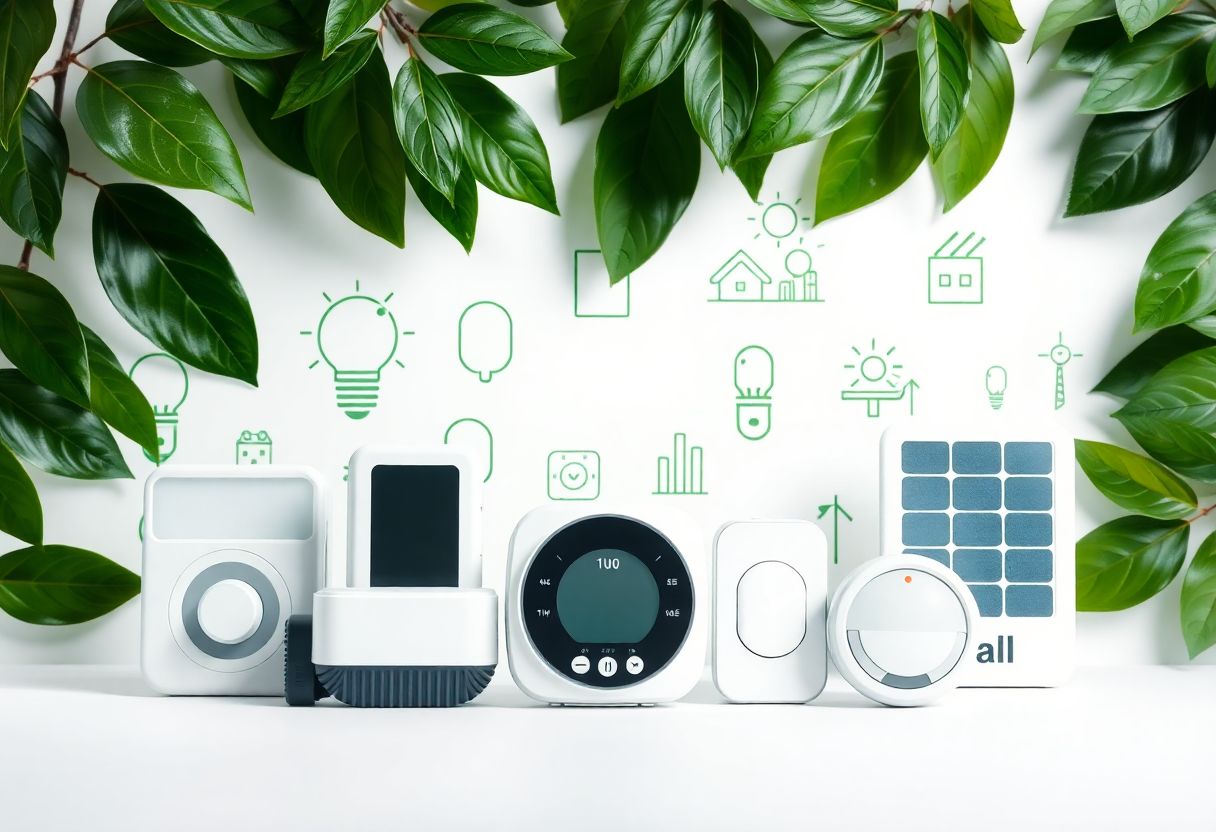
Powering Up Your Knowledge: The Ultimate Guide to Energy Monitors
In an era where sustainability and cost-saving measures are at the forefront of our minds, understanding and managing our energy consumption has become more critical than ever. Enter the world of energy monitors – powerful tools that can revolutionize how we interact with and control our power usage. This comprehensive guide will delve into the intricate workings of energy monitors, explore their myriad benefits, and provide you with expert insights on how to harness their full potential for a greener, more economical lifestyle.
The Science Behind Energy Monitors: Unraveling the Mystery
At the heart of every energy monitor lies a fascinating interplay of electromagnetic principles. To truly appreciate these devices, we must first understand the fundamental laws that govern their operation.
Electromagnetic Induction: The Cornerstone of Measurement
Energy monitors primarily rely on the principle of electromagnetic induction, a phenomenon first described by Michael Faraday in 1831. This principle states that a changing magnetic field can induce an electric current in a nearby conductor. In the context of energy monitors, this allows for the measurement of electricity without direct contact with the current-carrying wire.
Ampère's Law: Quantifying the Magnetic Field
Ampère's Law, formulated by André-Marie Ampère, provides the mathematical relationship between electric current and the magnetic field it generates. This law states that the strength of the magnetic field circulating around a wire is directly proportional to the electric current flowing through it. Energy monitors utilize this relationship to infer the amount of current based on the strength of the detected magnetic field.
Faraday's Law of Induction: From Magnetism to Measurement
Building upon electromagnetic induction, Faraday's Law explains how a changing magnetic field can induce an electromotive force (EMF) in a conductor. This induced EMF is what energy monitors measure to determine the power consumption of your devices or entire home.
Types of Energy Monitors: Choosing Your Power Partner
Energy monitors come in various forms, each designed to cater to different needs and preferences. Understanding these types can help you select the most suitable monitor for your specific requirements.
Whole-House Monitors: The Big Picture
Whole-house monitors are installed at your main electrical panel and provide a comprehensive view of your entire home's energy consumption. These devices typically use current transformer (CT) clamps that encircle the main power cables entering your home. By measuring the magnetic field generated by the current flowing through these cables, whole-house monitors can accurately calculate your total power usage.
Plug-In Monitors: Precision at the Outlet
For those interested in tracking the energy consumption of individual appliances, plug-in monitors offer an excellent solution. These devices are inserted between the appliance's plug and the wall outlet. They directly measure the voltage and current flowing to the appliance, providing highly accurate readings for specific devices.
Smart Meter Displays: Utility-Integrated Solutions
Many utility companies now offer smart meters that can communicate real-time energy usage data. Smart meter displays interface with these utility-provided meters to give you instant access to your consumption information. While not as detailed as some other options, these displays offer a convenient way to monitor your overall usage without additional hardware installation.
Clamp-On Monitors: Non-Invasive Measurement
Clamp-on monitors, also known as current clamps or amp clamps, are versatile tools that can be attached to individual circuits or appliance power cords. These devices use a split-core transformer to measure the magnetic field around the conductor without the need for direct electrical contact. This makes them particularly useful for temporary measurements or in situations where installing a whole-house monitor is not feasible.
The Inner Workings: How Energy Monitors Measure Power
To truly appreciate the capabilities of energy monitors, it's essential to understand the process by which they measure and calculate power consumption. Let's break down this complex process into its key components.
Current Measurement: The First Step
The primary measurement made by most energy monitors is electric current. This is typically achieved through one of two methods:
-
Electromagnetic Induction: As mentioned earlier, this method uses the magnetic field generated by current flow to induce a small current in a sensing coil. The strength of this induced current is proportional to the original current being measured.
-
Hall Effect Sensors: Some monitors use Hall effect sensors, which detect the magnetic field directly and output a voltage proportional to the field strength.
Voltage Measurement: Completing the Power Equation
While current measurement alone can provide useful information, accurate power calculations require knowledge of the voltage as well. Some energy monitors, particularly plug-in types, directly measure voltage. Others may use a fixed voltage assumption based on your local power grid standards.
Power Calculation: Putting It All Together
With both current and voltage information, the energy monitor can calculate power using the formula:
Power (W) = Voltage (V) × Current (A)
For alternating current (AC) systems, which are used in most homes, the calculation becomes slightly more complex due to the concept of power factor. The true power formula for AC systems is:
True Power (W) = Voltage (V) × Current (A) × Power Factor
Many advanced energy monitors can measure or estimate power factor to provide more accurate readings.
Energy Consumption: Integrating Over Time
To determine energy consumption, which is typically measured in kilowatt-hours (kWh), the energy monitor integrates the power measurement over time. This is done by frequently sampling the power and summing these samples over the desired time period.
Benefits of Energy Monitors: More Than Just Numbers
The advantages of using energy monitors extend far beyond simple curiosity about your power consumption. These devices can have a profound impact on your energy usage habits, your wallet, and the environment.
Increased Energy Awareness: Knowledge is Power
One of the most immediate benefits of using an energy monitor is the increased awareness it brings to your energy consumption patterns. Many users report a significant "aha" moment when they first see their real-time energy usage displayed. This visibility often leads to more conscious decision-making about when and how energy is used in the home.
Substantial Cost Savings: Trimming the Fat from Your Energy Bill
By identifying energy-hungry appliances and inefficient usage patterns, energy monitors empower users to make targeted changes that can lead to substantial savings. Studies have shown that households using energy monitors can reduce their electricity consumption by 5-15% on average, with some achieving even greater savings.
Environmental Impact: Your Personal Contribution to Sustainability
Reducing energy consumption doesn't just benefit your bank account; it also contributes to a more sustainable future. Every kilowatt-hour saved means less fossil fuel burned and fewer greenhouse gas emissions. By using an energy monitor to optimize your energy use, you're actively participating in the fight against climate change.
Behavior Modification: Fostering Long-Term Change
The real-time feedback provided by energy monitors can be a powerful motivator for changing energy consumption habits. Research in behavioral psychology has shown that immediate feedback is one of the most effective ways to encourage lasting behavior change. Energy monitors leverage this principle to help users develop more energy-efficient habits over time.
Appliance Performance Monitoring: Catching Issues Early
Energy monitors can help you identify malfunctioning appliances that may be consuming more power than usual. For example, a sudden increase in your refrigerator's energy consumption could indicate a failing compressor or a door seal that needs replacement. Catching these issues early can save you money on both energy bills and potential repair costs.
Maximizing the Potential of Your Energy Monitor
To get the most out of your energy monitor, consider implementing the following strategies:
Establish a Baseline: Know Where You Stand
Before making any changes, use your energy monitor to establish a baseline of your typical energy consumption. Monitor your usage for at least two weeks to account for variations in daily and weekly patterns. This baseline will serve as a reference point against which you can measure the effectiveness of your energy-saving efforts.
Conduct an Energy Audit: Identify Your Power Hogs
Use your energy monitor to perform a thorough energy audit of your home. This involves systematically measuring the power consumption of each major appliance and identifying which ones are using the most energy. Pay particular attention to devices that may have high standby power consumption, such as entertainment systems and computer equipment.
Set Realistic Goals: Strive for Sustainable Change
Based on your baseline and energy audit results, set realistic goals for reducing your energy consumption. Remember that sustainable change often comes from many small adjustments rather than drastic measures. Aim for a reduction of 10-15% initially, and adjust your goals as you become more adept at managing your energy use.
Leverage Advanced Features: Harness the Full Power of Your Monitor
Many modern energy monitors come with advanced features that can enhance your energy management efforts:
- Smartphone Apps: Use mobile applications to monitor your energy consumption remotely and receive alerts when usage exceeds predefined thresholds.
- Historical Data Analysis: Analyze long-term trends in your energy usage to identify seasonal patterns and track your progress over time.
- Integration with Smart Home Systems: Connect your energy monitor to your smart home ecosystem to automate energy-saving actions, such as turning off lights when energy usage is high.
- Cost Projections: Utilize built-in cost calculation features to understand how your energy usage translates into monthly bills and potential savings.
Regular Check-ins: Stay Engaged with Your Energy Use
Make it a habit to regularly review your energy consumption data. Set aside time each week or month to analyze your usage patterns and identify areas for further improvement. This ongoing engagement is key to maintaining long-term energy savings.
The Future of Energy Monitoring: Innovations on the Horizon
As technology continues to advance, the future of energy monitoring looks increasingly sophisticated and integrated. Here are some exciting developments to watch for:
AI-Powered Predictive Analytics
Machine learning algorithms are being developed to analyze energy consumption patterns and predict future usage. These AI-powered systems will be able to provide personalized recommendations for energy savings based on your specific habits and appliance usage.
Enhanced Integration with Renewable Energy Systems
As more homes adopt solar panels and other renewable energy sources, energy monitors will play a crucial role in optimizing the balance between energy generation and consumption. Future monitors may help homeowners maximize their use of self-generated power and minimize reliance on the grid.
Non-Intrusive Load Monitoring (NILM)
NILM technology aims to disaggregate energy usage data to identify individual appliances without the need for multiple sensors. This could provide detailed insights into energy consumption patterns with minimal hardware installation.
Blockchain-Based Energy Trading
In the future, energy monitors could facilitate peer-to-peer energy trading within microgrids. Blockchain technology could enable secure, transparent transactions between neighbors with excess solar power and those in need of additional energy.
Conclusion: Empowering a Sustainable Future
Energy monitors represent a powerful tool in our quest for a more sustainable and energy-efficient world. By providing real-time insights into our power consumption, these devices empower us to make informed decisions about our energy use, leading to significant cost savings and reduced environmental impact.
As we face the challenges of climate change and resource depletion, every kilowatt-hour saved contributes to a more sustainable future. By embracing the technology and insights offered by energy monitors, we can each play a part in creating a more energy-conscious society.
Whether you're motivated by environmental concerns, the desire to reduce your utility bills, or simply curiosity about your home's energy dynamics, an energy monitor can be an invaluable addition to your household. As these devices continue to evolve and integrate with other smart home technologies, their potential for driving energy efficiency will only grow.
Take the first step towards a more energy-aware lifestyle today. Invest in an energy monitor, explore its capabilities, and join the growing community of individuals committed to smart, sustainable energy consumption. Your wallet, your community, and the planet will thank you for it.